HealthyLab
Cultivating minds, bodies and souls.
HealthyLab studies health as a multi-layered system shaped by biology, culture, environment, habits, community, and meaning. It refuses the narrow framing of health as individual optimization or gym-based discipline. Instead, it draws from evolutionary medicine, Blue Zone research, Mediterranean food culture, Japanese longevity practices, behavioral science, somatics, and social ecology to understand what keeps humans well across decades — not weeks.
Health is not a private goal. It is a collective architecture built through food, movement, relationships, rituals, rhythms, stress cycles, and the built and natural environment. HealthyLab explores how individuals and groups can design lives that are resilient, grounded, joyful, and regenerative.
Holistic Health Assessment
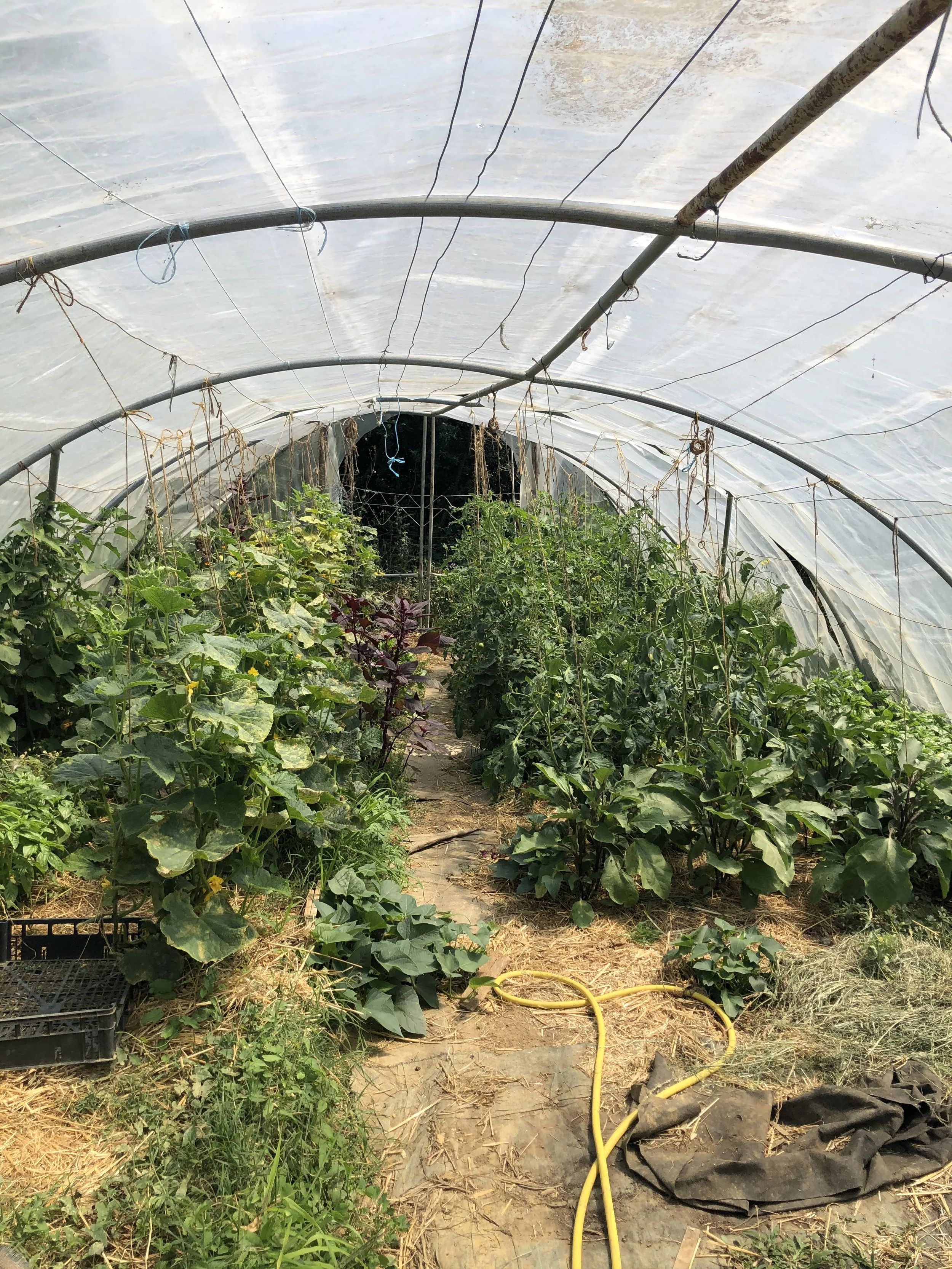
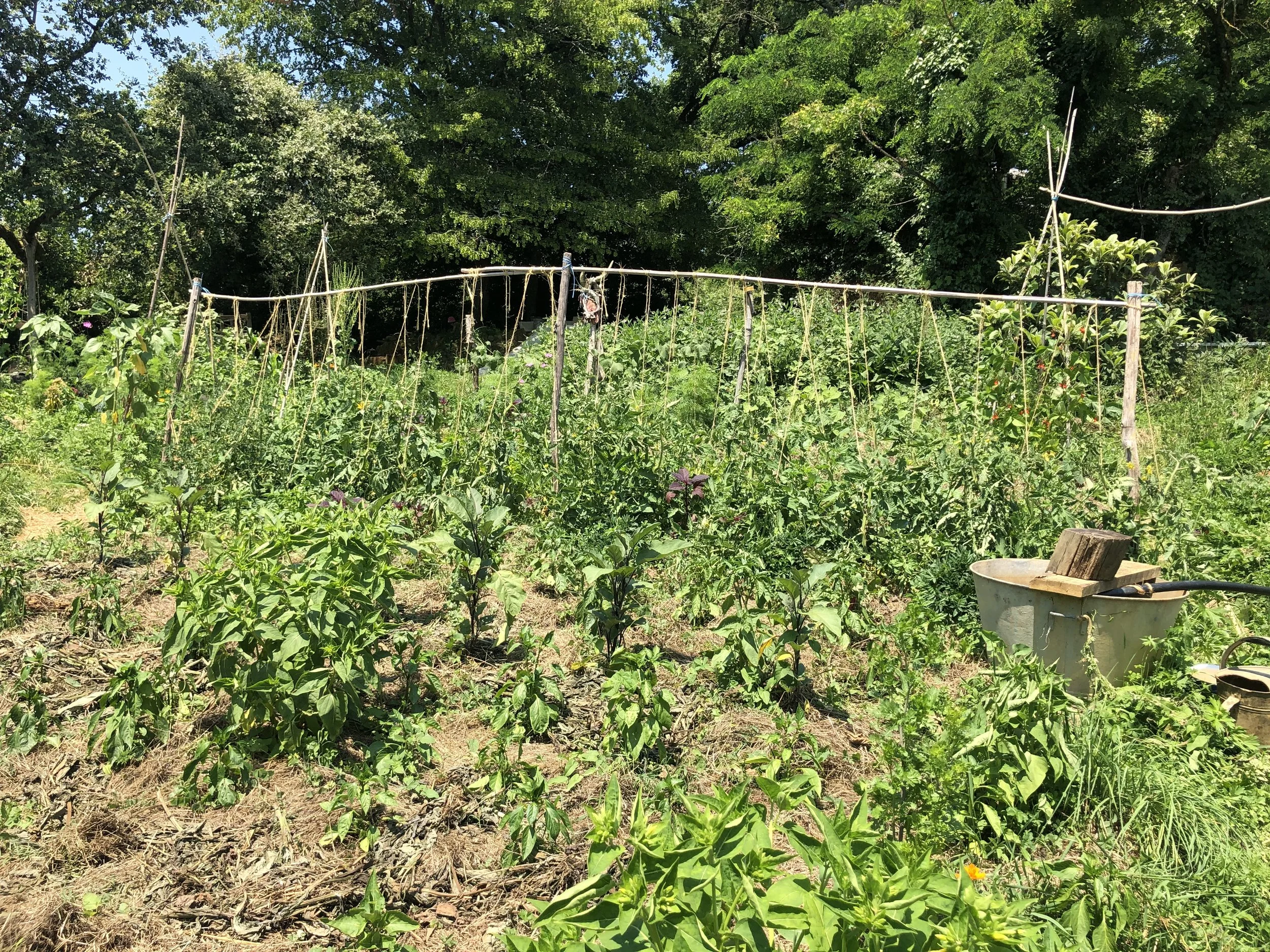
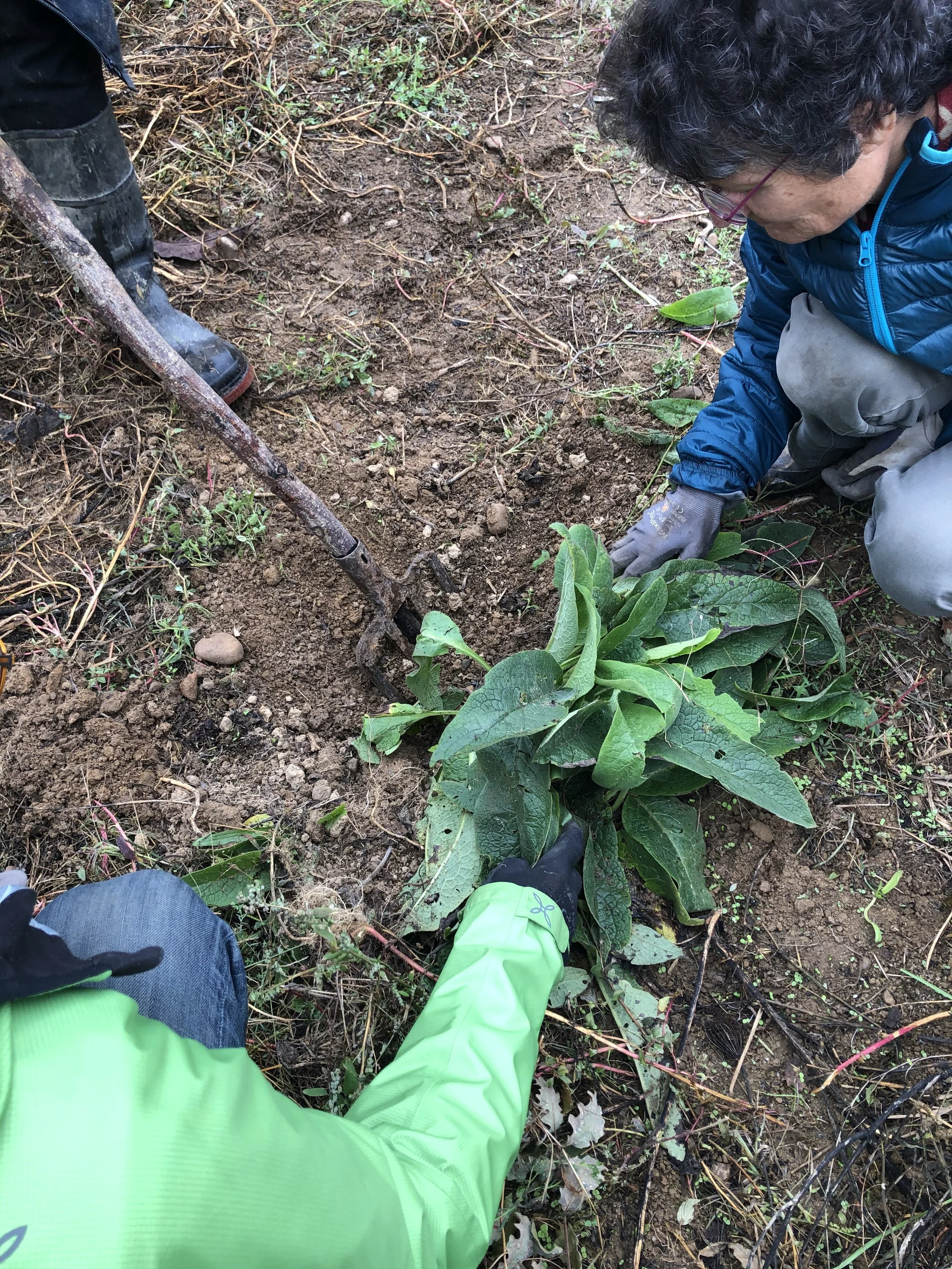
Human health emerges from the interplay of metabolism, microbiome diversity, circadian rhythms, nutrient cycles, muscle integrity, stress regulation, identity, community, and cultural meaning. The longest-lived cultures on Earth — in Italy, France, Japan, Costa Rica, and Greece — do not treat health as a private hobby. They embed wellbeing into daily life: cooking together, walking with friends, gardening, sharing responsibilities, celebrating seasons, and eating foods shaped by landscape and tradition.
HealthyLab begins by examining these patterns scientifically. Longevity is not a mystery. It is a system: moderate physical activity, nutrient-dense diets, low chronic stress, strong social bonds, deep cultural rituals, and a meaningful relationship to land and food. In this Lab, health is a design field — and a communal one.
Start with a Holistic Health Assessment: lifestyle, rhythms, food patterns, movement, stress profile and collective context
Personalized or Group Health Program
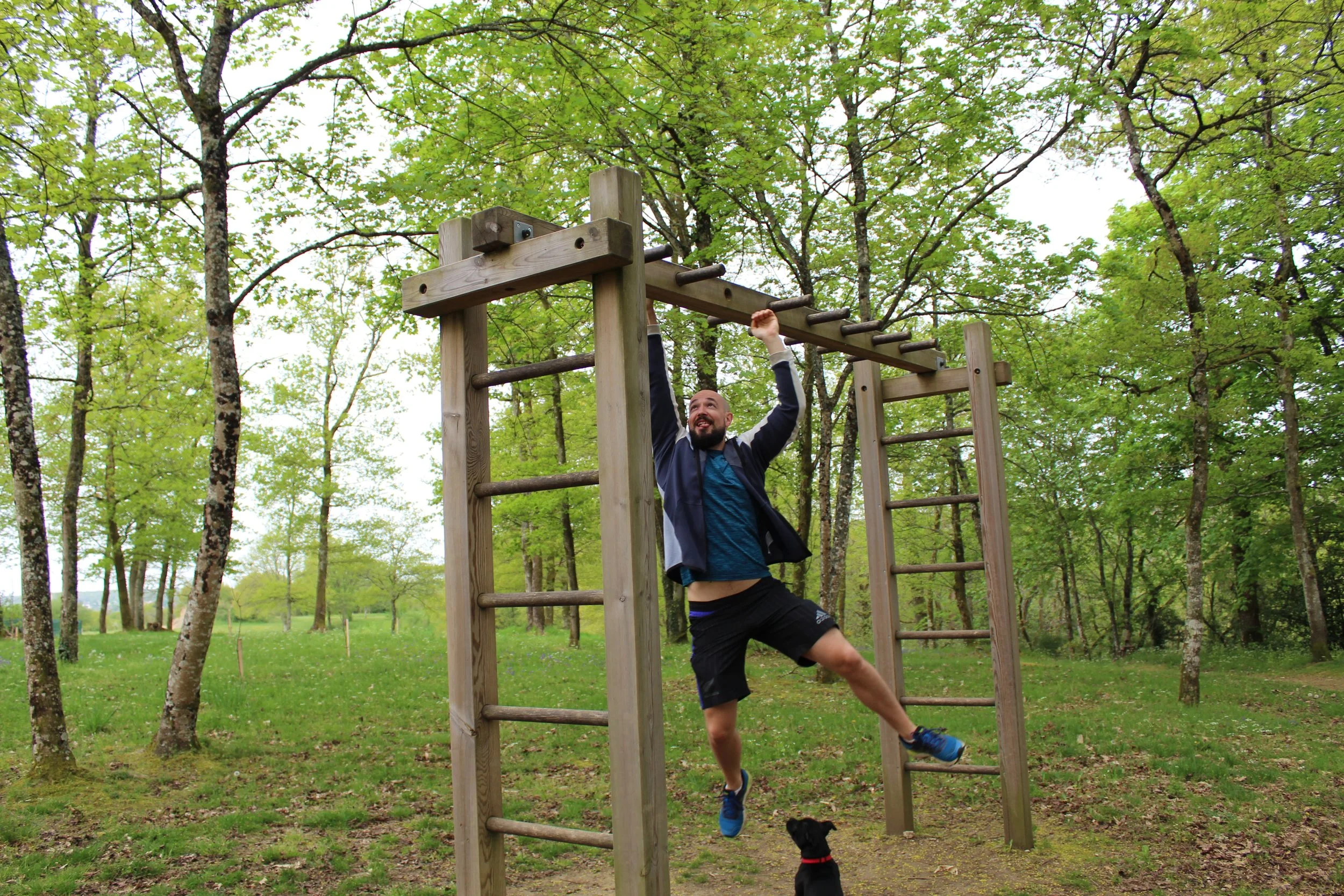
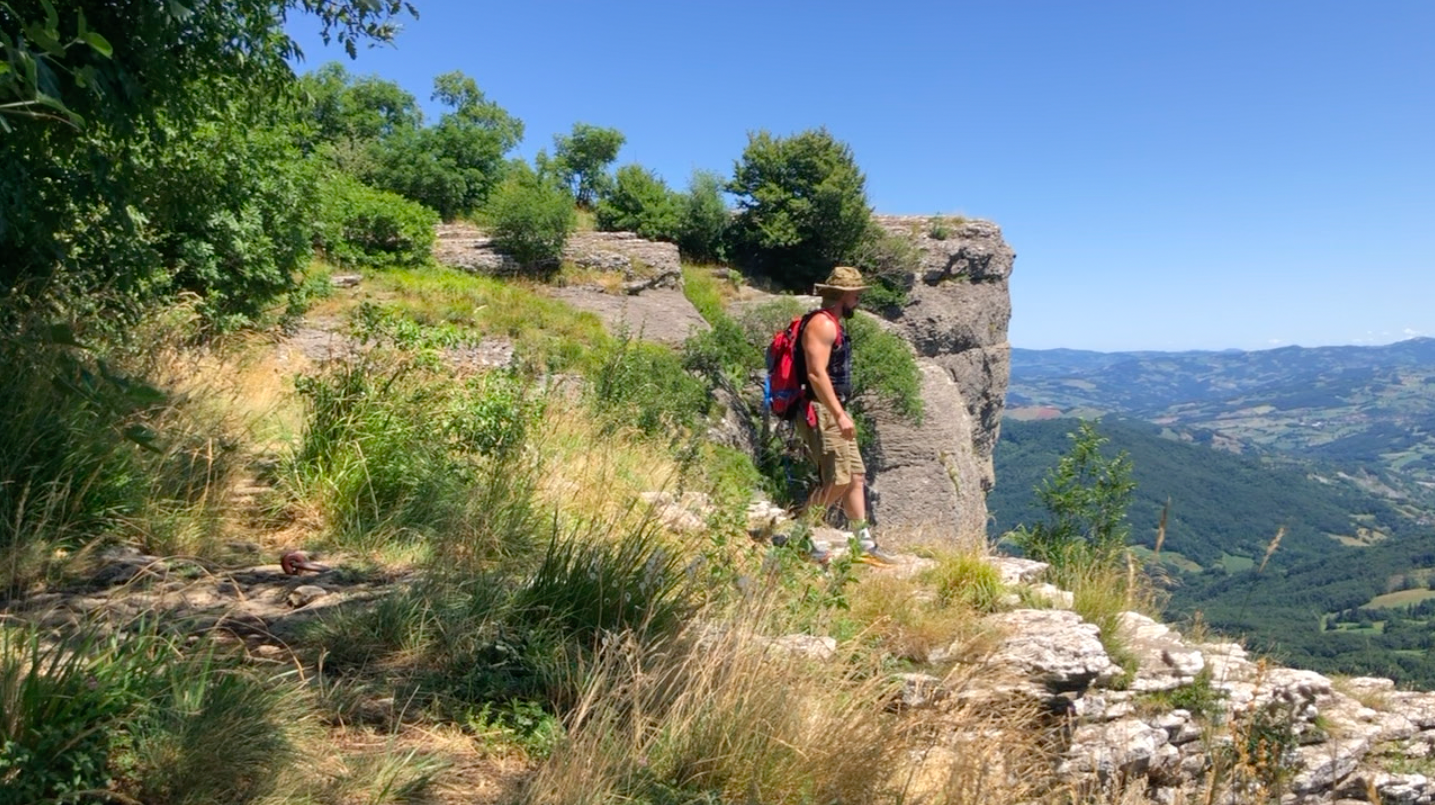
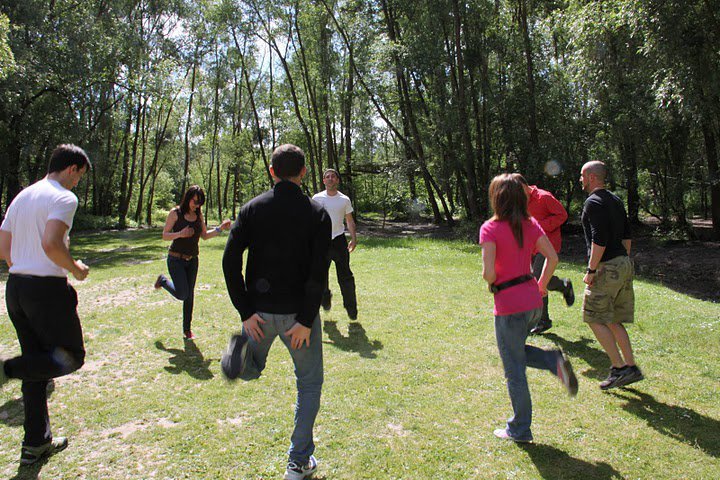
HealthyLab approaches movement and food as a natural intelligence system. Walking, carrying, climbing, stretching, gardening, cooking, dancing, and slow endurance work are far more aligned with human physiology than extreme fitness or gym-bound routines. Strength built through consistency, not performance.
Metabolism is treated as a living process shaped by food composition, meal timing, microbiome ecology, hydration, sunlight exposure, and sleep regularity. The Lab integrates nutritional science, cooking practice, metabolic research, and behavioral patterns into a coherent, long-term approach for a healthier and happier life for you and your group.
Join a Personalized or Group Health program integrating movement, metabolic habits, and sustainable daily rituals



Food Workshops
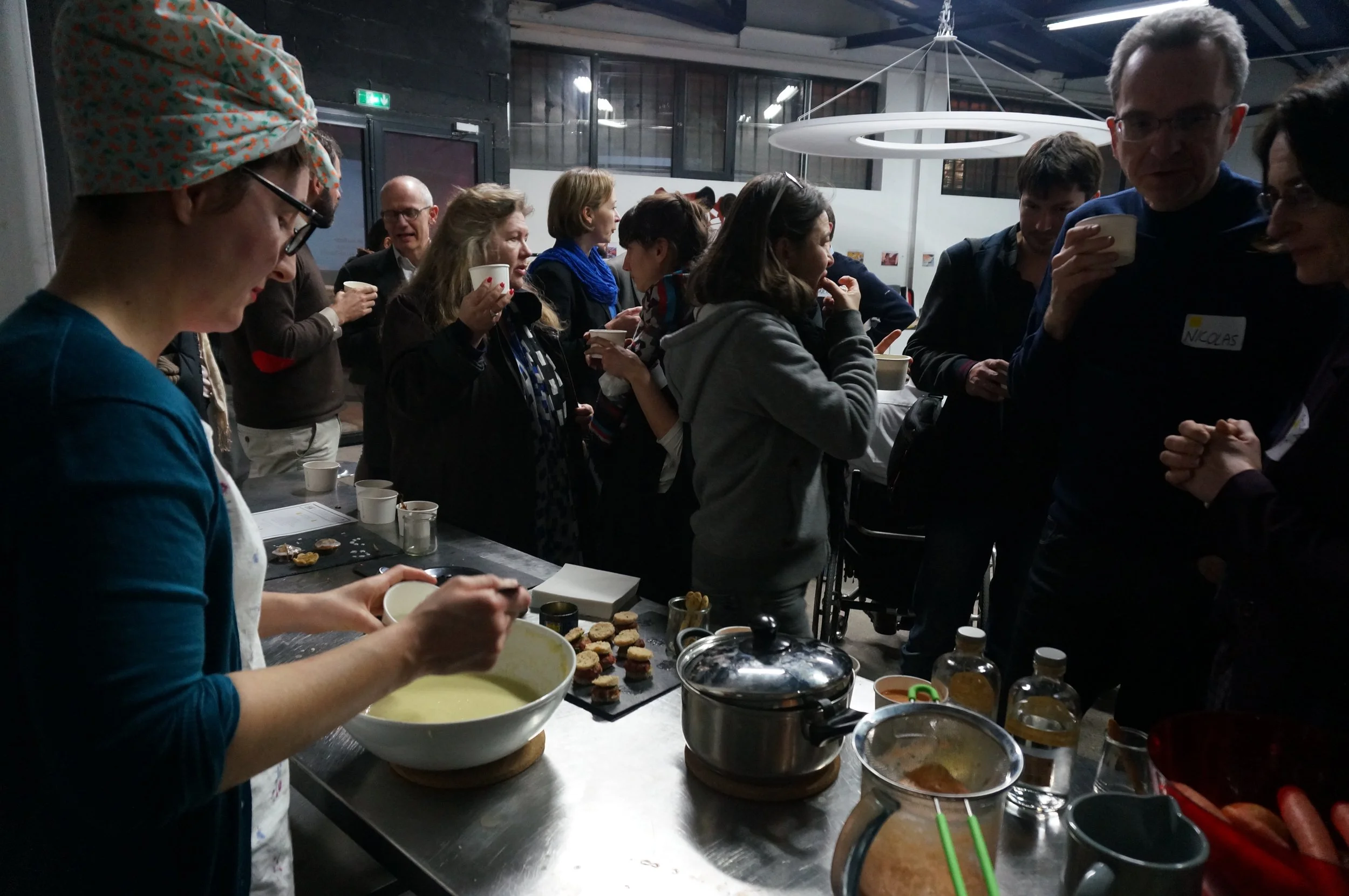
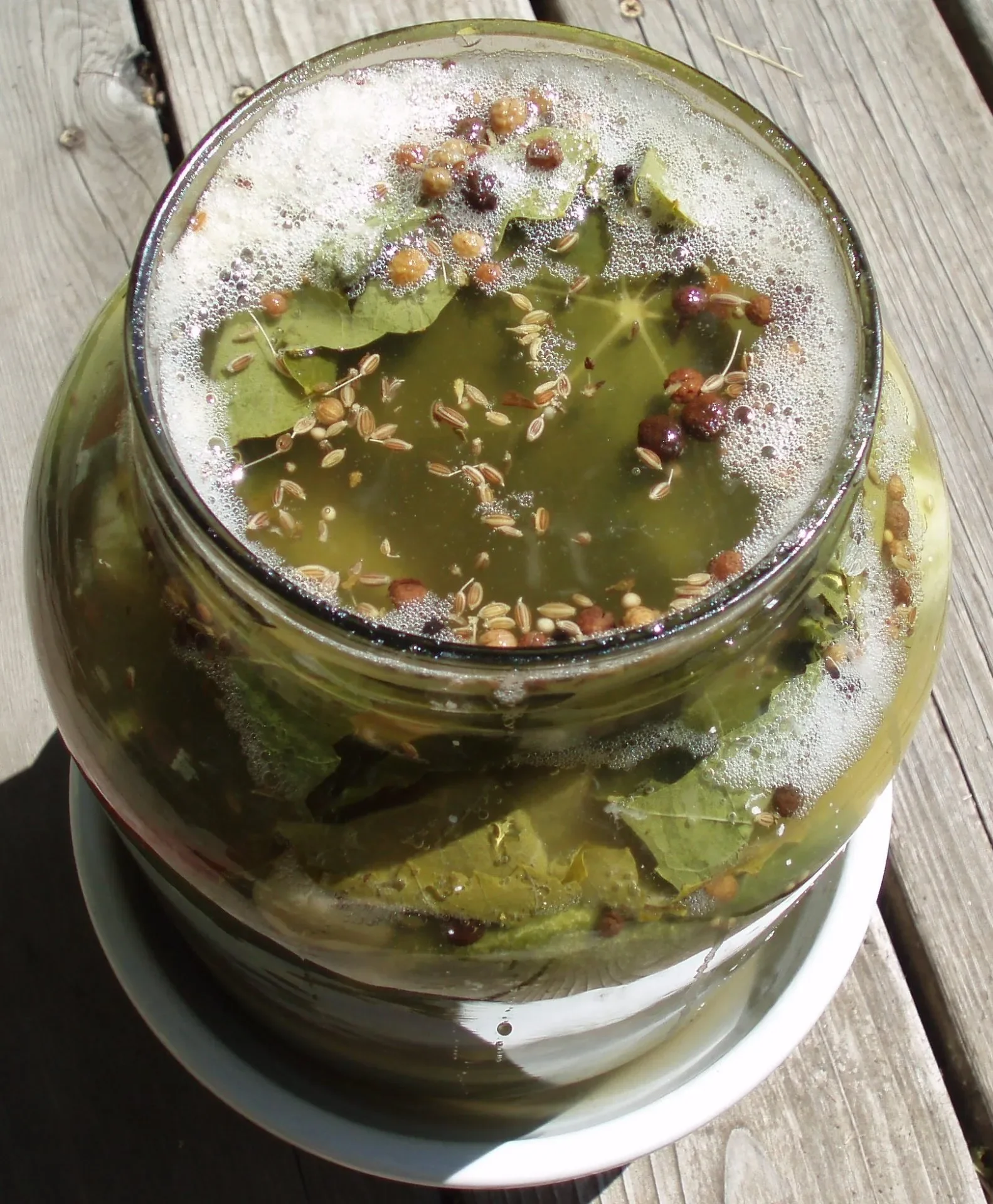
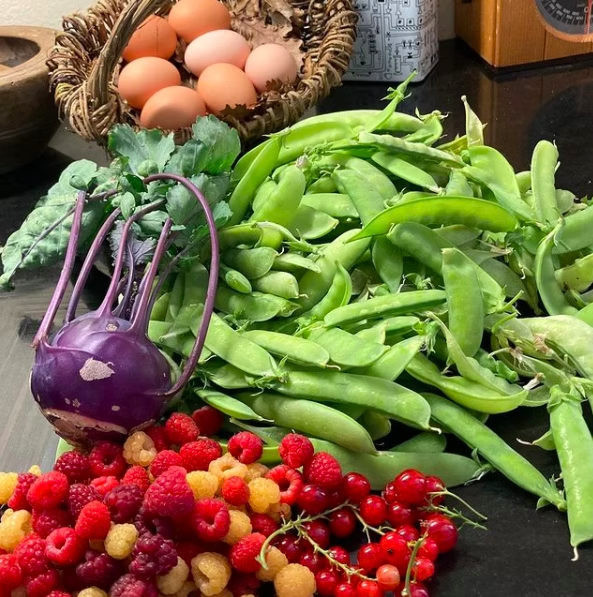
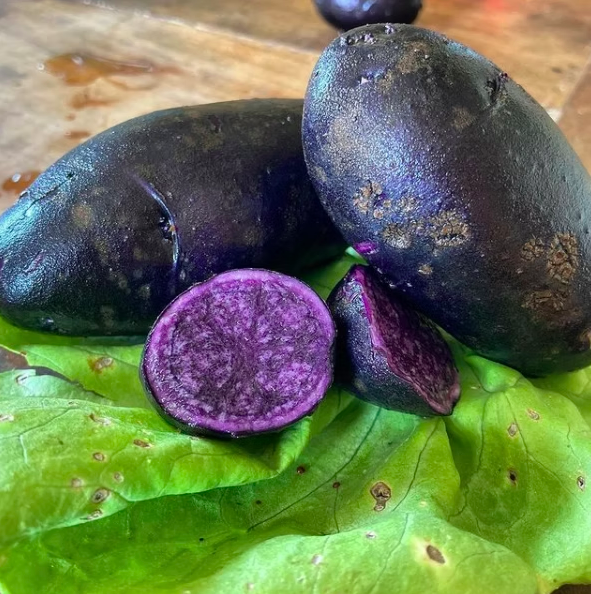
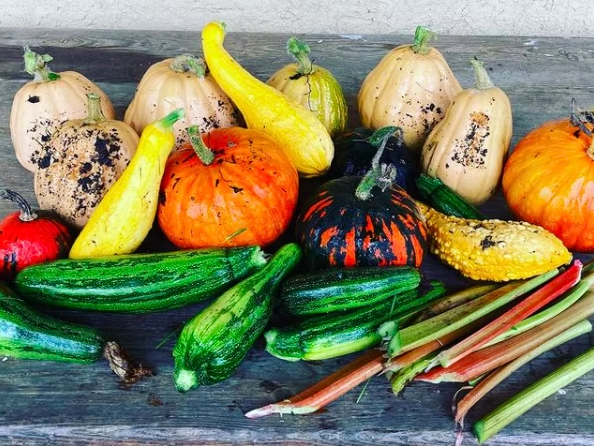
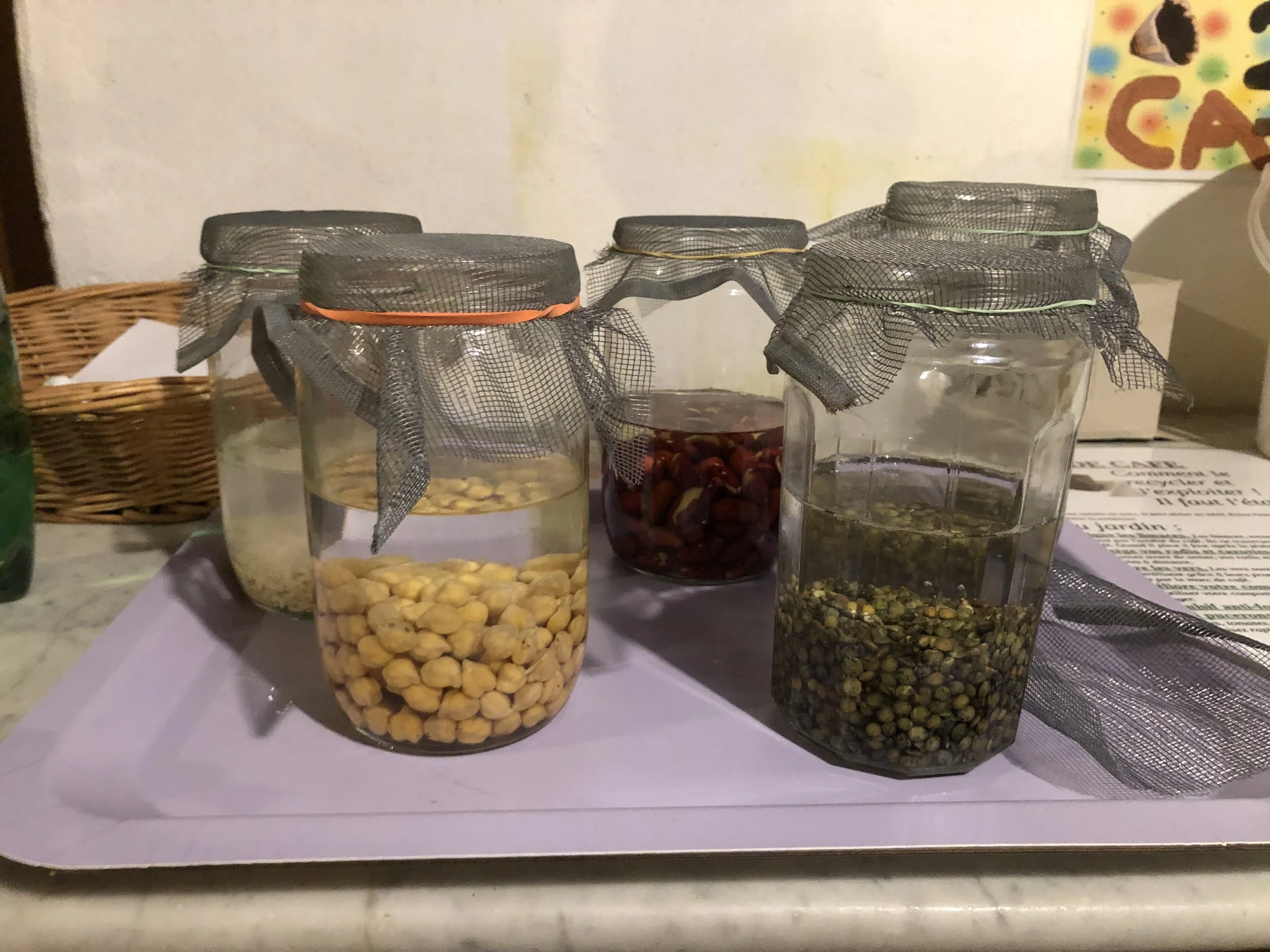
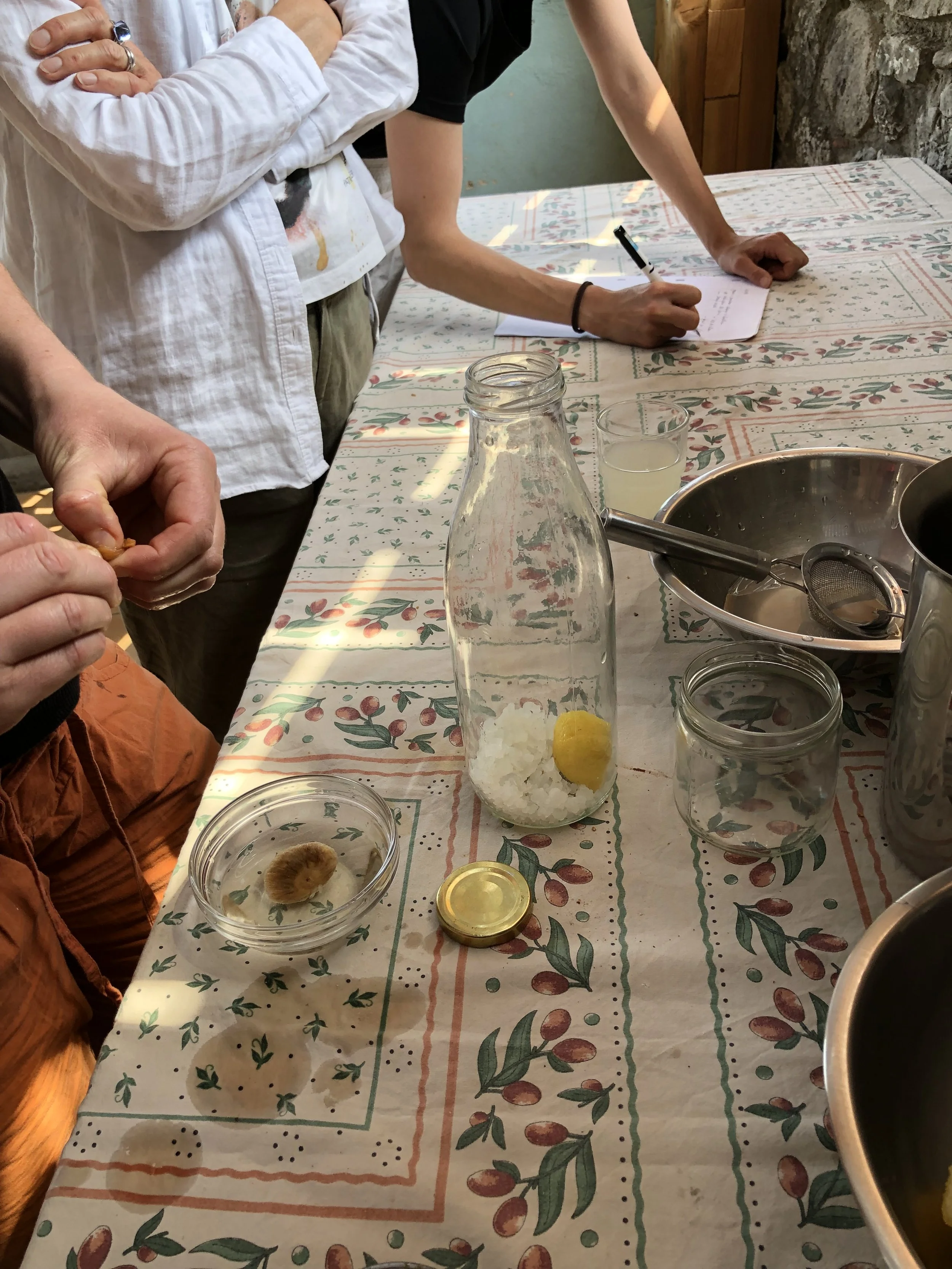
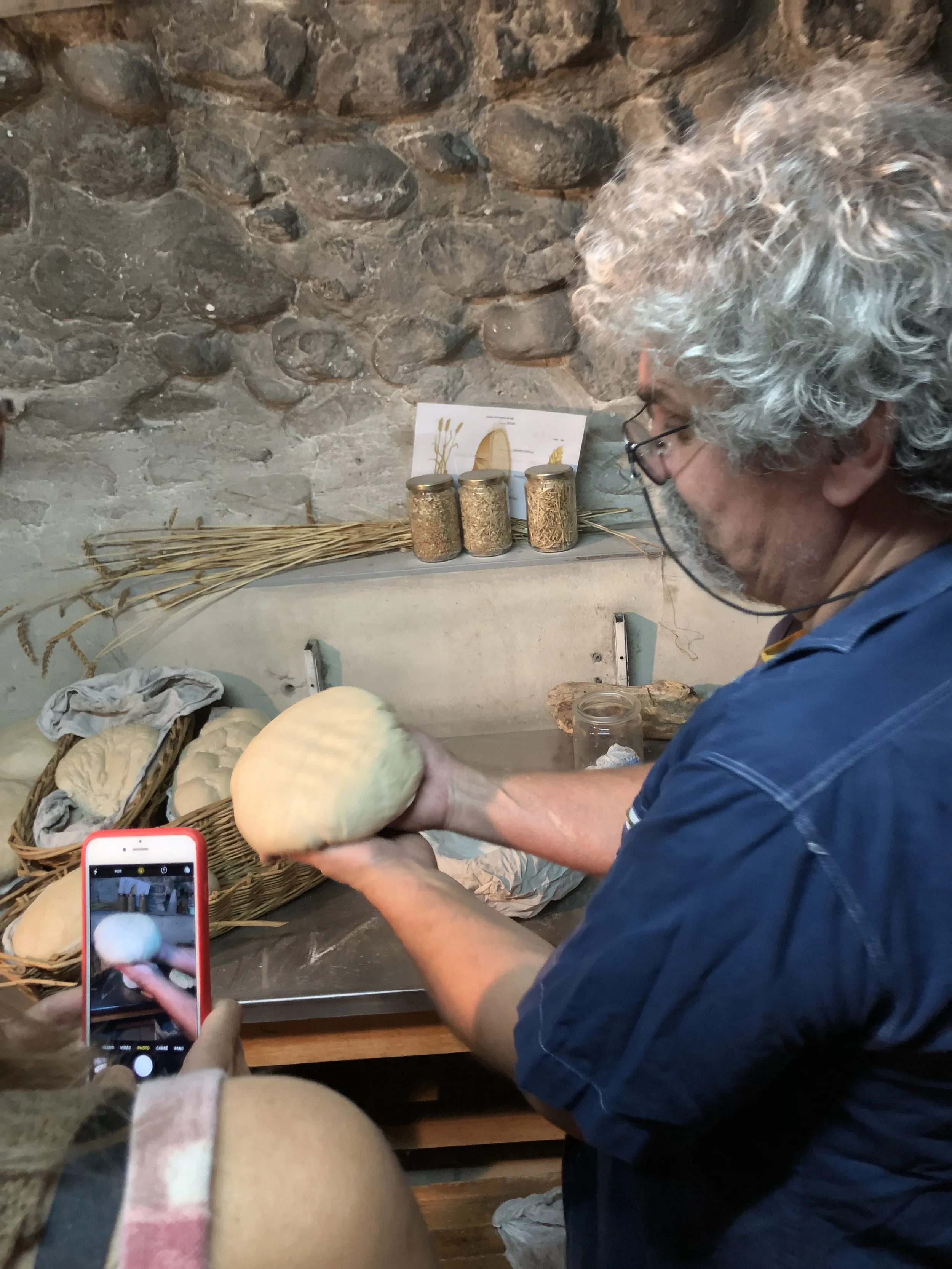
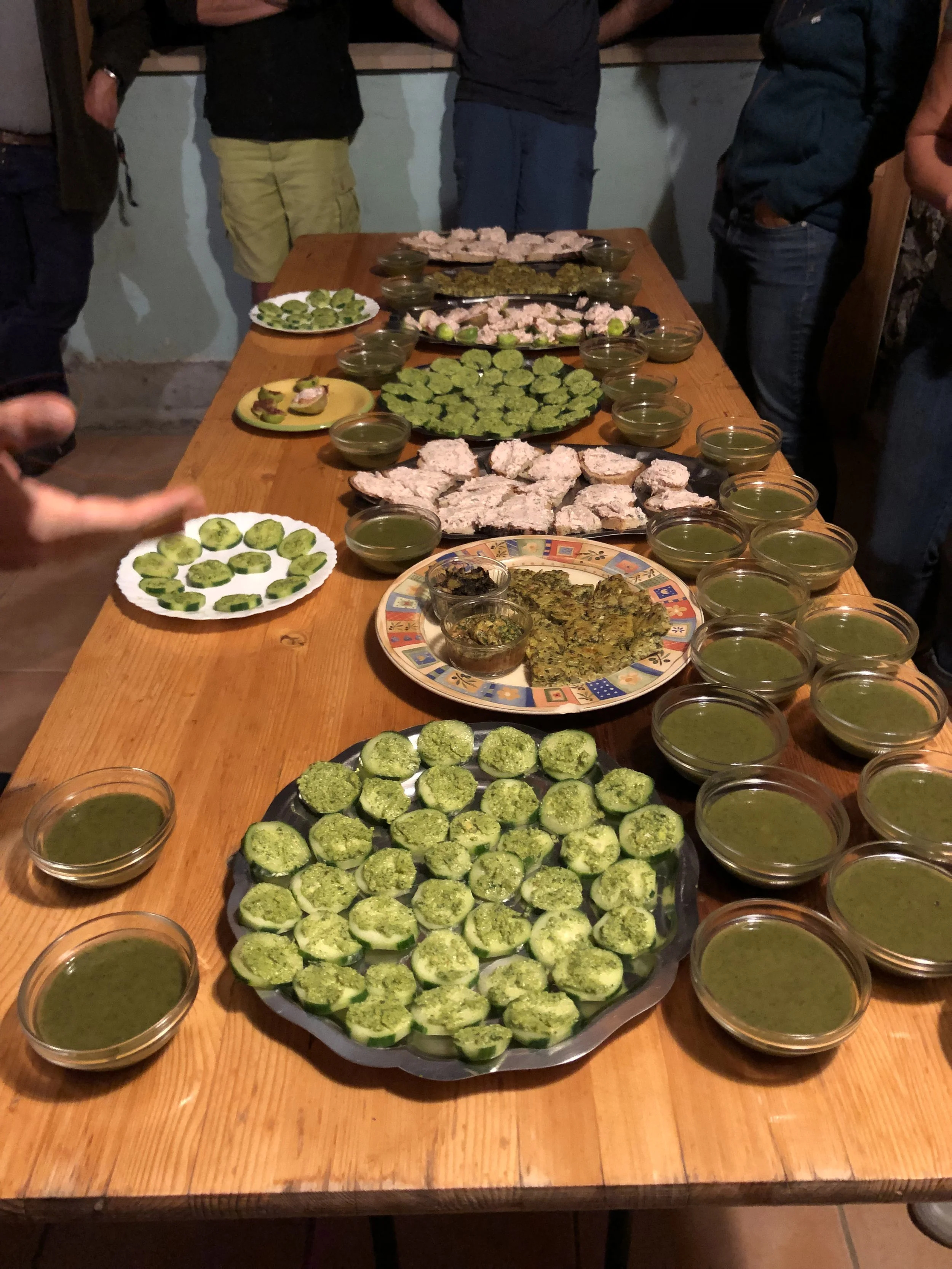
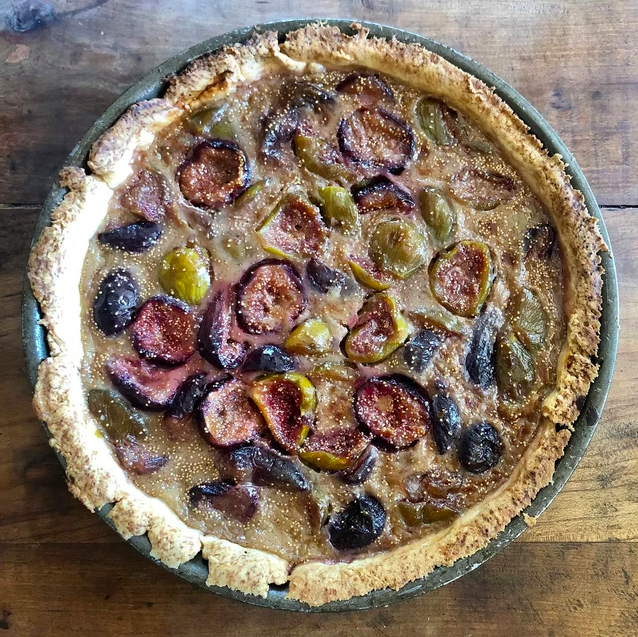
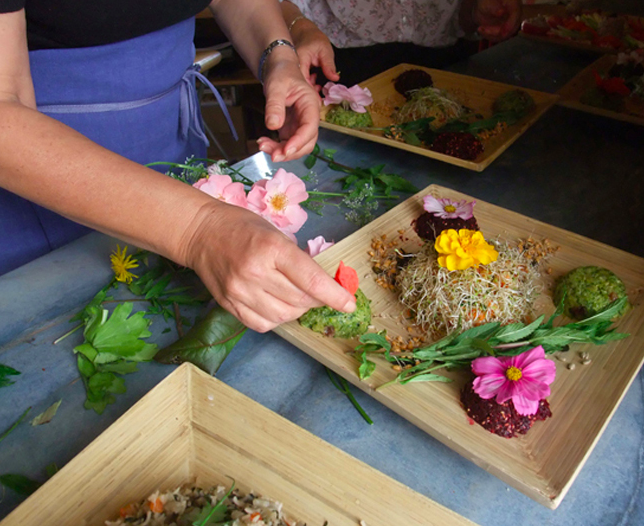
Food is not fuel; it is ecology. Plants grown in diverse soils carry biochemical richness. Fermented foods renew microbial life. Seasonal produce aligns with metabolic cycles. Cooking together creates cohesion. Eating with others reduces stress hormones and influences digestion. Traditional diets — from Japanese washoku to Mediterranean cucina povera — are centuries-old solutions to nutritional, social, economic, and ecological constraints.
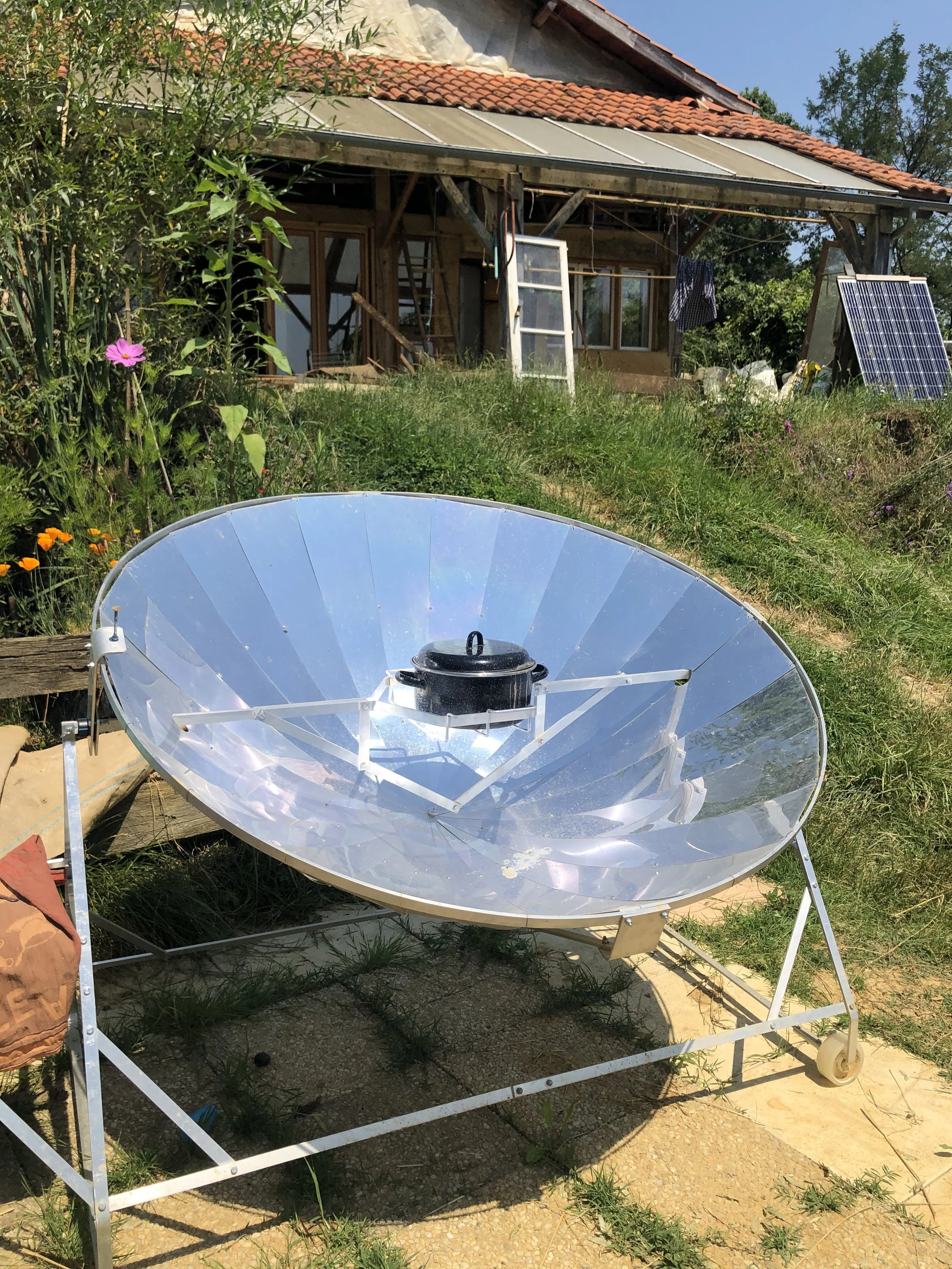
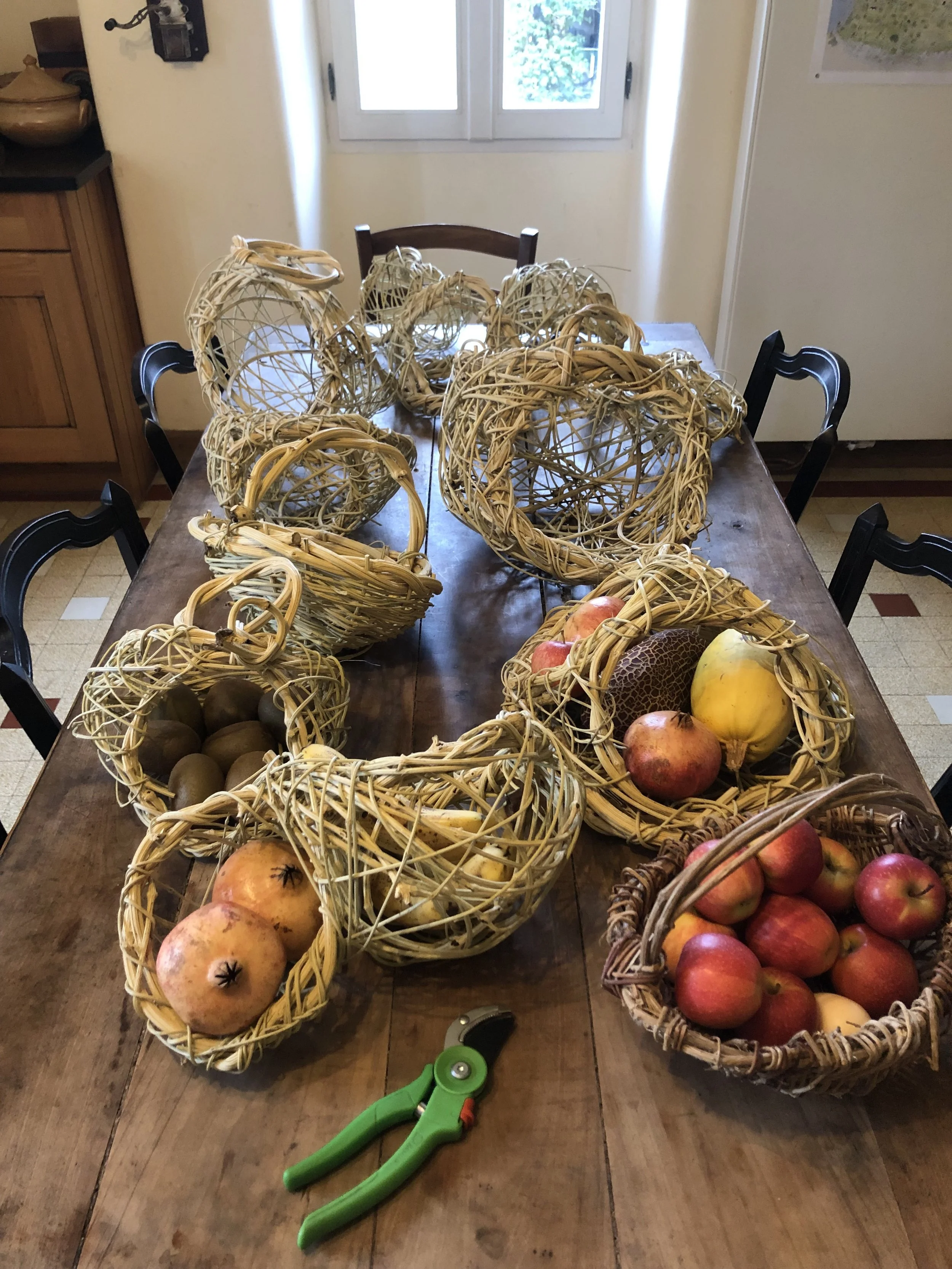
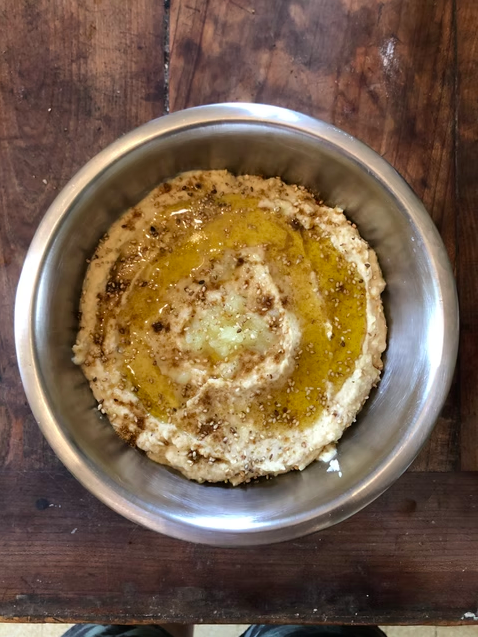
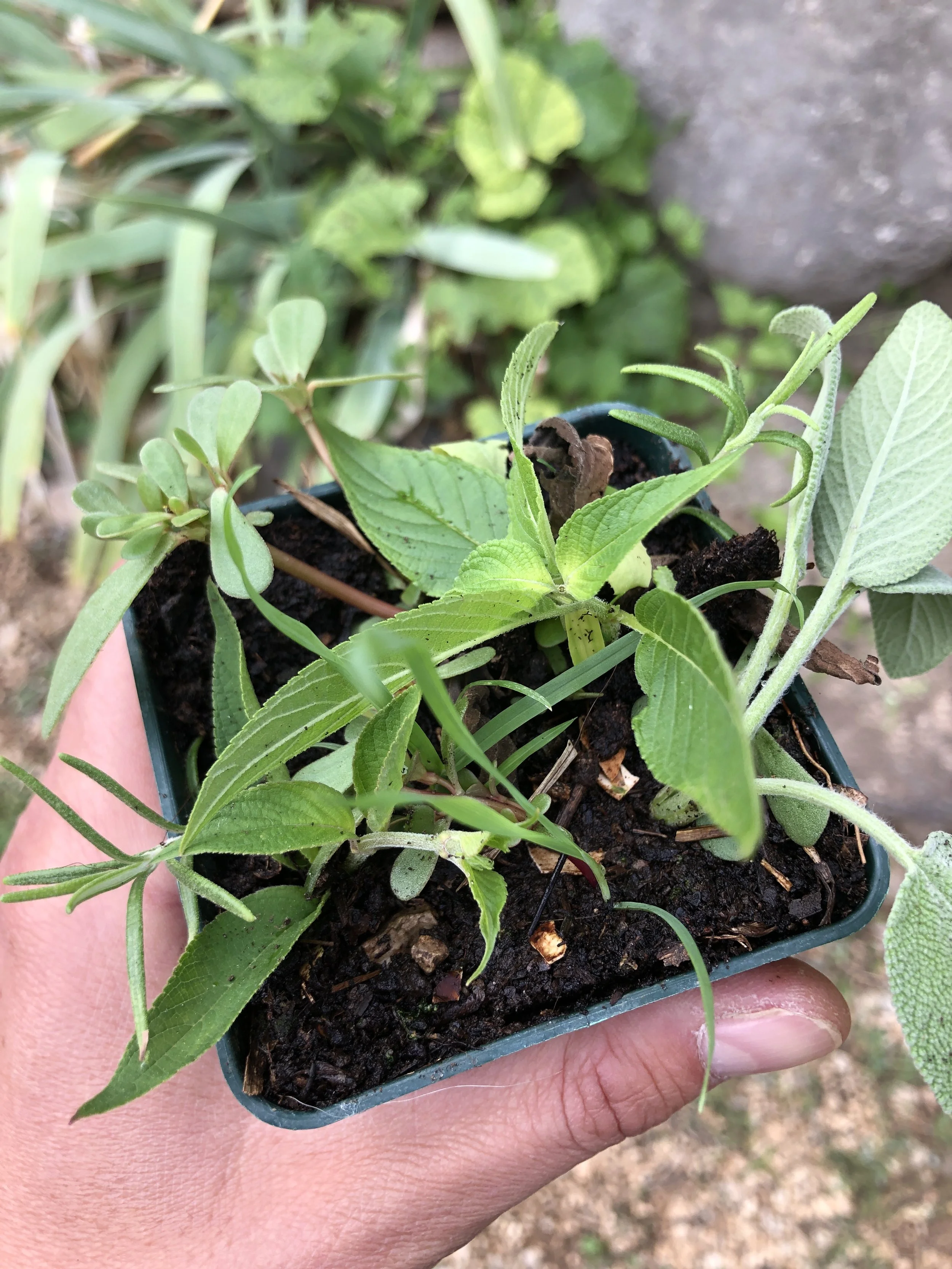
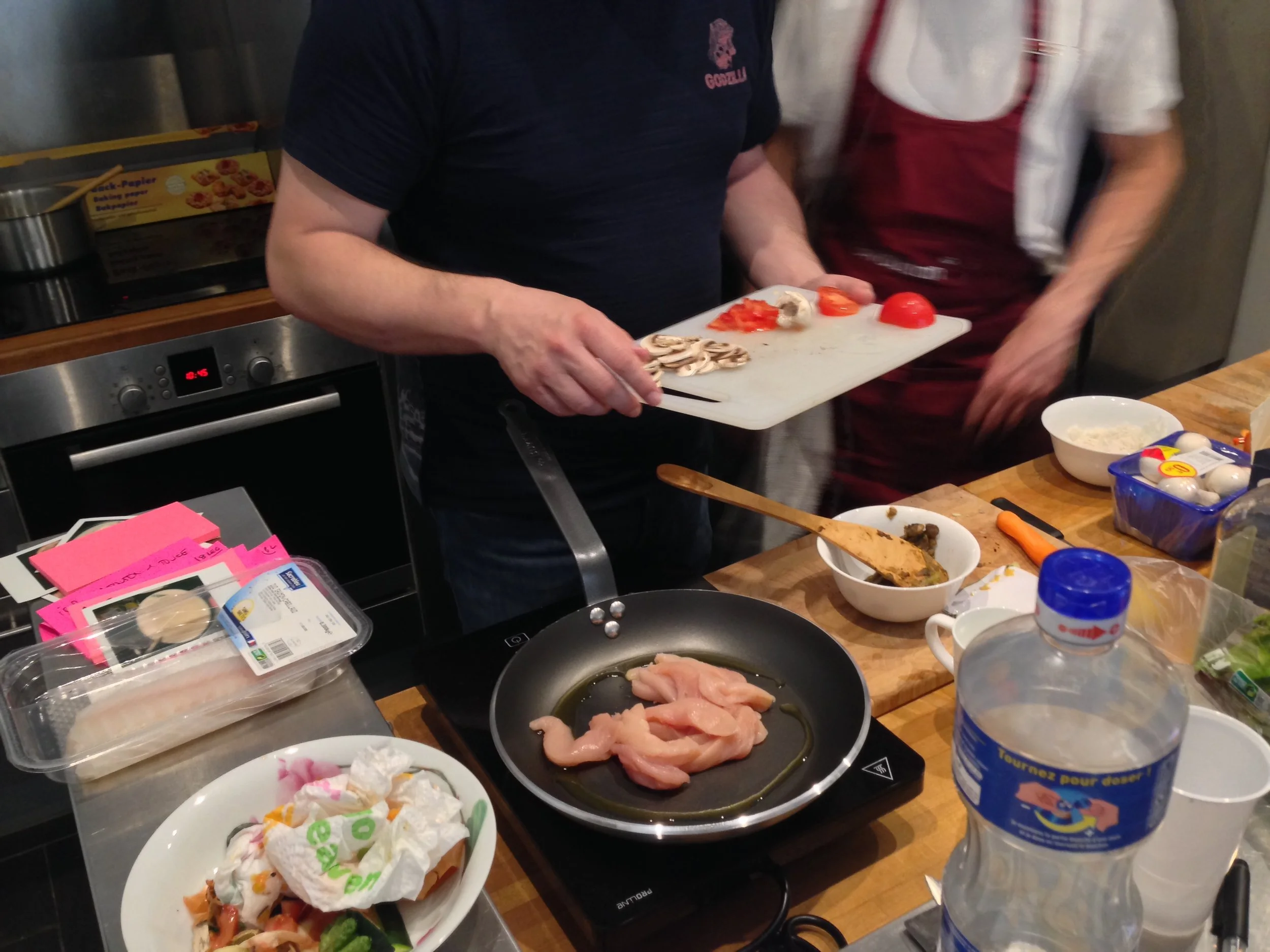
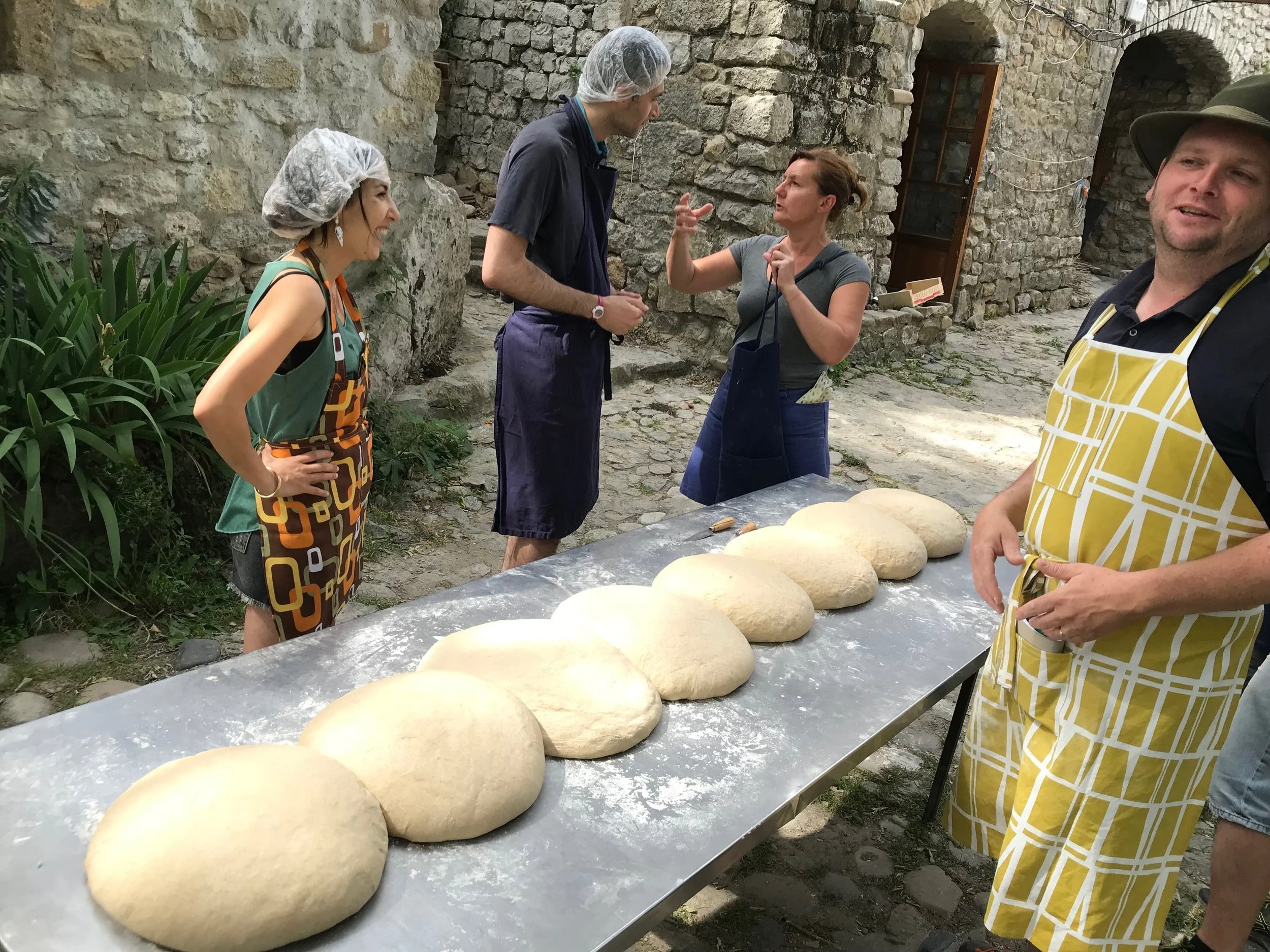
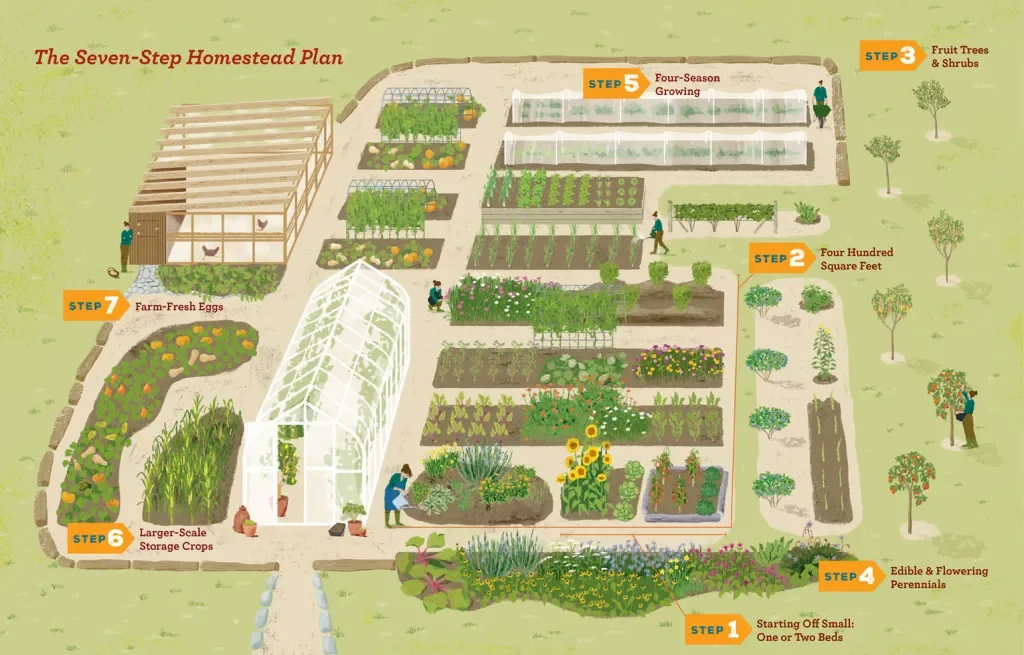
HealthyLab treats cooking as a design discipline and an act of regeneration: regenerating bodies, relationships, and landscapes. It incorporates knowledge from farming, permaculture, gastronomy, and nutritional research, making food a site of joy, community, and long-term wellbeing.
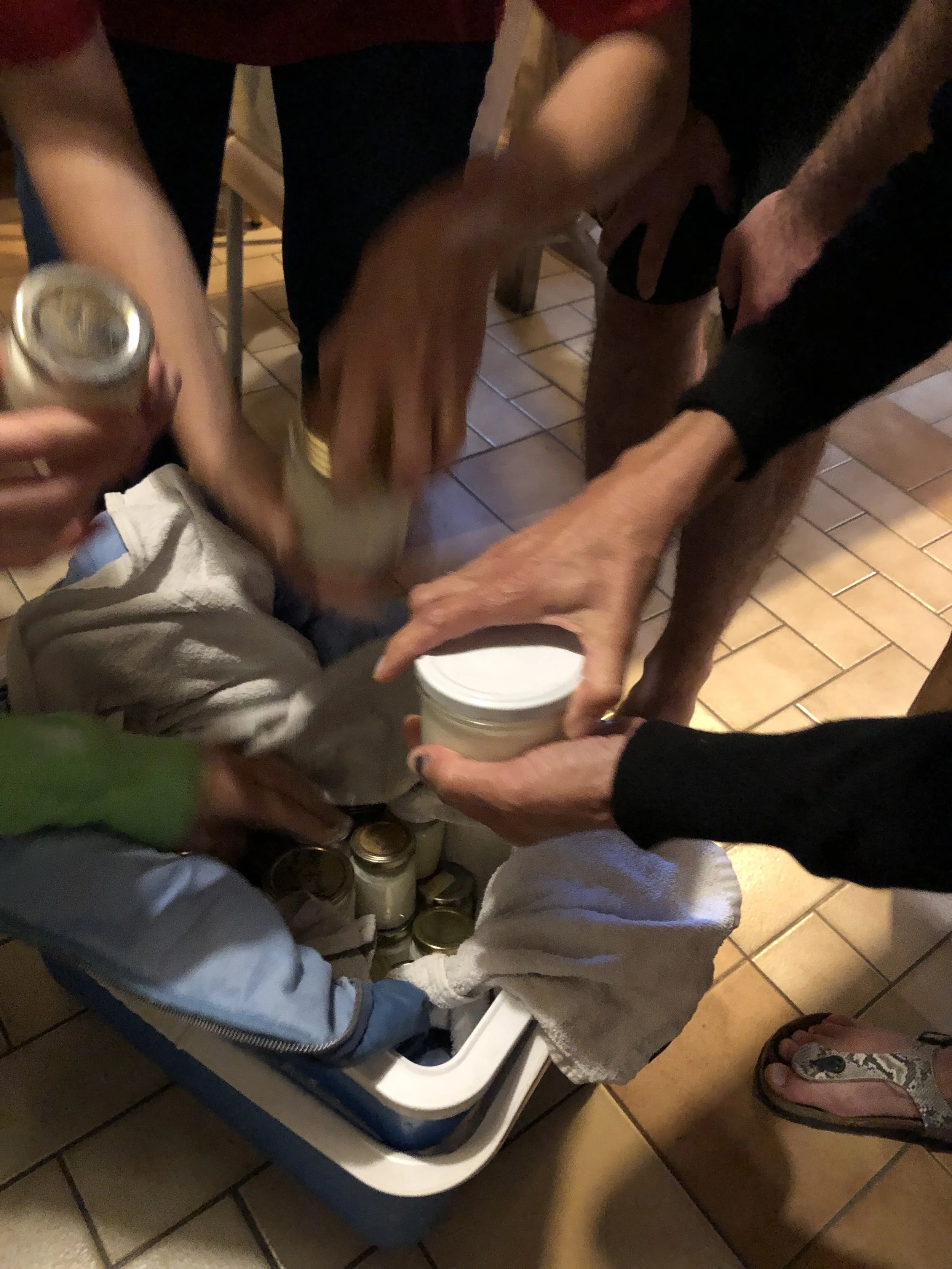
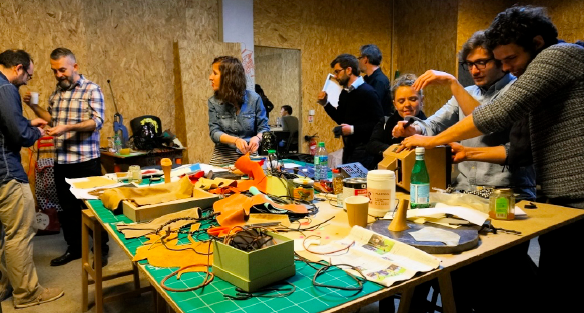
Invite us to lead Food Workshops with cooking and eating rituals, nutritional explorations and communal experiences
Wellbeing Programs
Health is not physical alone. It depends on nervous system regulation, emotional literacy, psychological safety, and a sense of purpose. Mediterranean and Japanese cultures both excel in creating environments where small pleasures, collective rhythms, humor, rituals, and predictable social contact protect against chronic loneliness and stress — the primary drivers of modern illness.
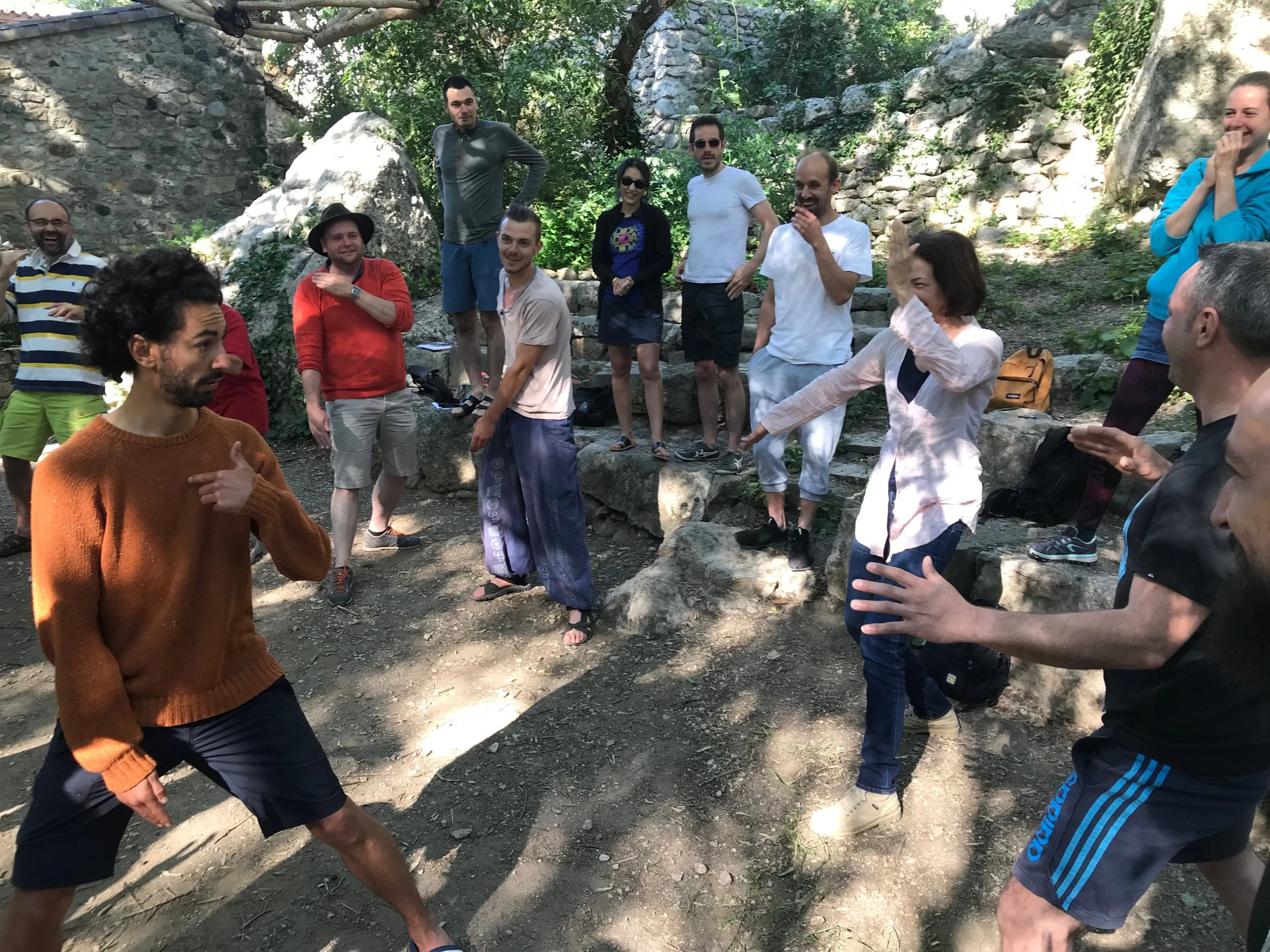
HealthyLab uses behavioral science, cognitive reframing, somatic awareness, community practices, and nature exposure to help individuals and groups develop resilience. We work with doctors and nutritionists on these holistic topics. The aim is not constant positivity but emotional adaptability: the ability to experience the full range of life without being destabilized by it.
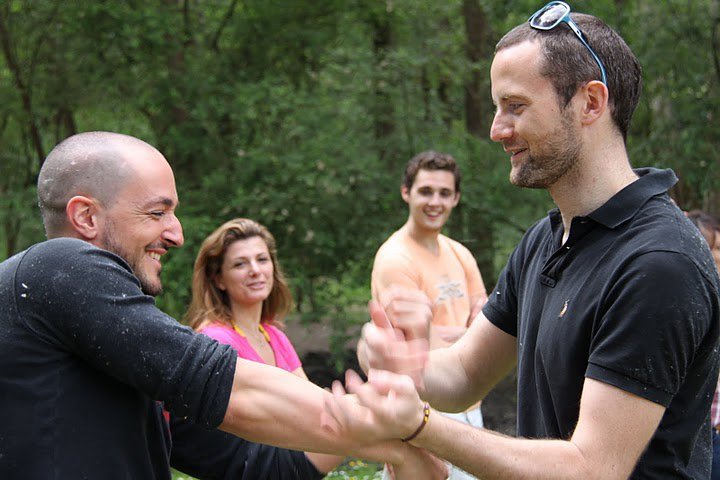
Engage on full Wellbeing Programs through resilience workshops and emotional literacy sessions

Create a HealthyLab Space
HealthyLab treats community as a biological requirement, not a social extra. Humans evolved in environments where knowledge circulated freely, responsibilities rotated naturally, meals were shared, and interdependence formed the backbone of resilience. When these conditions disappear, so does wellbeing — giving way to chronic stress, isolation, and fragmentation.
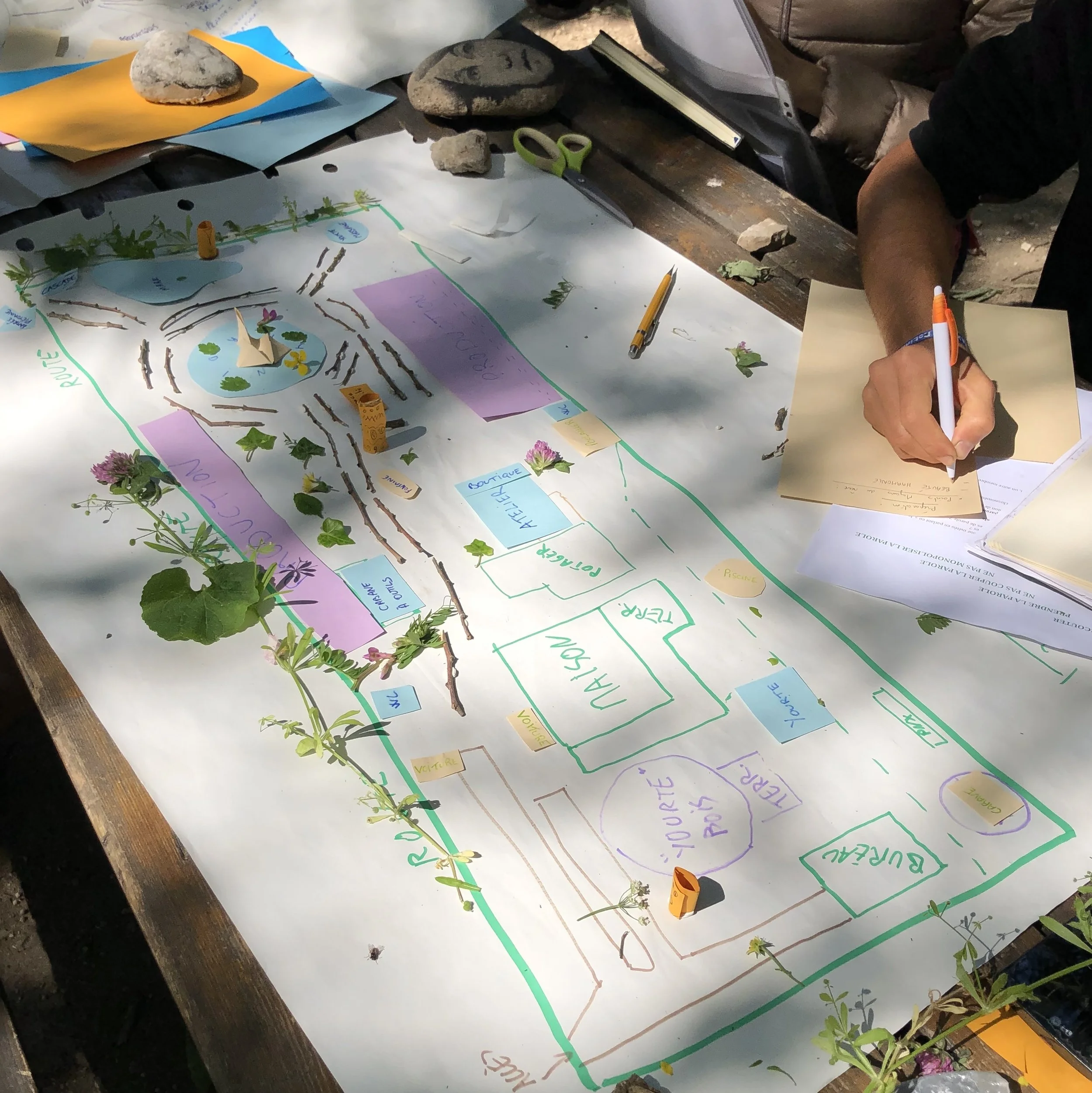
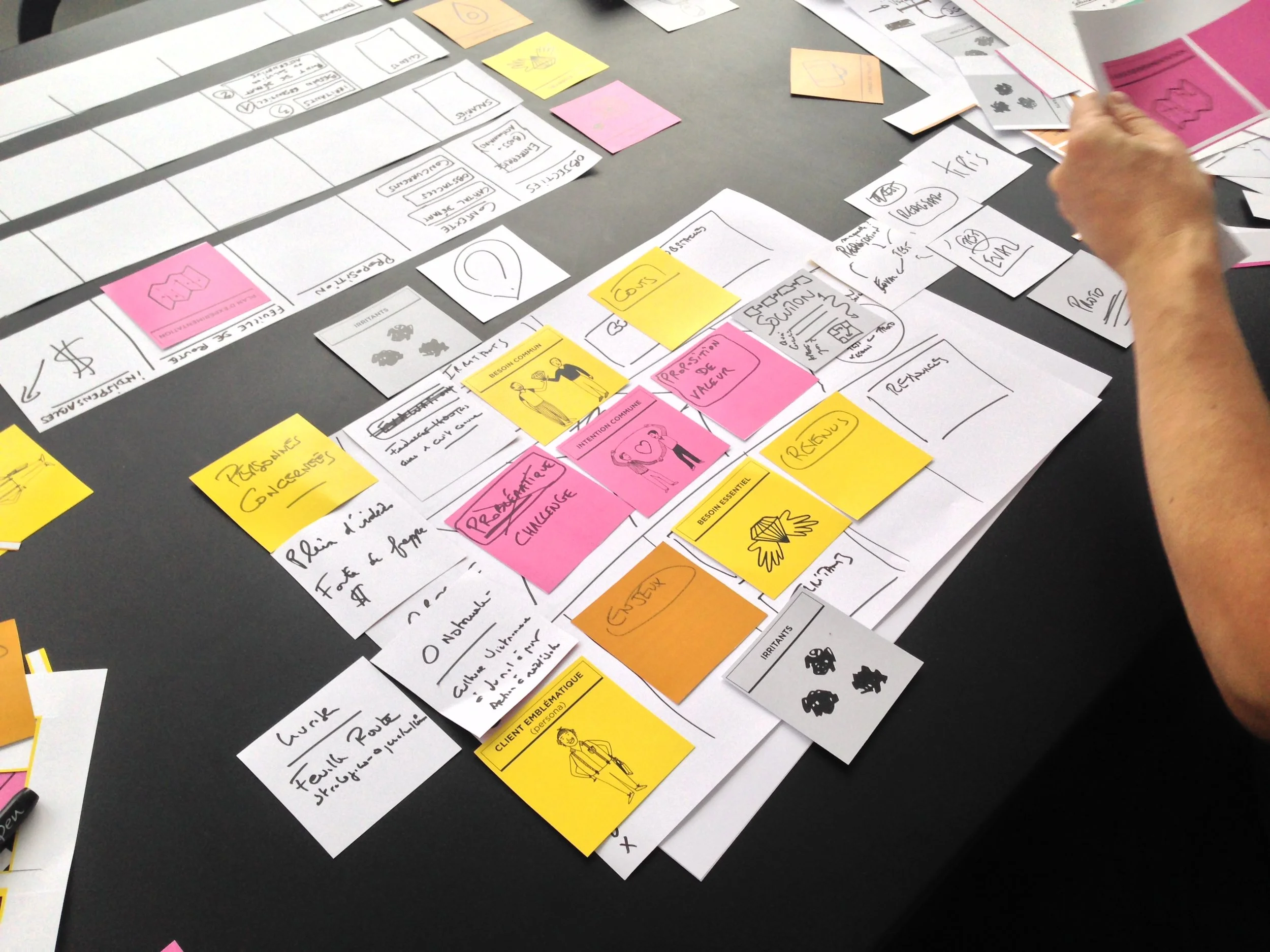
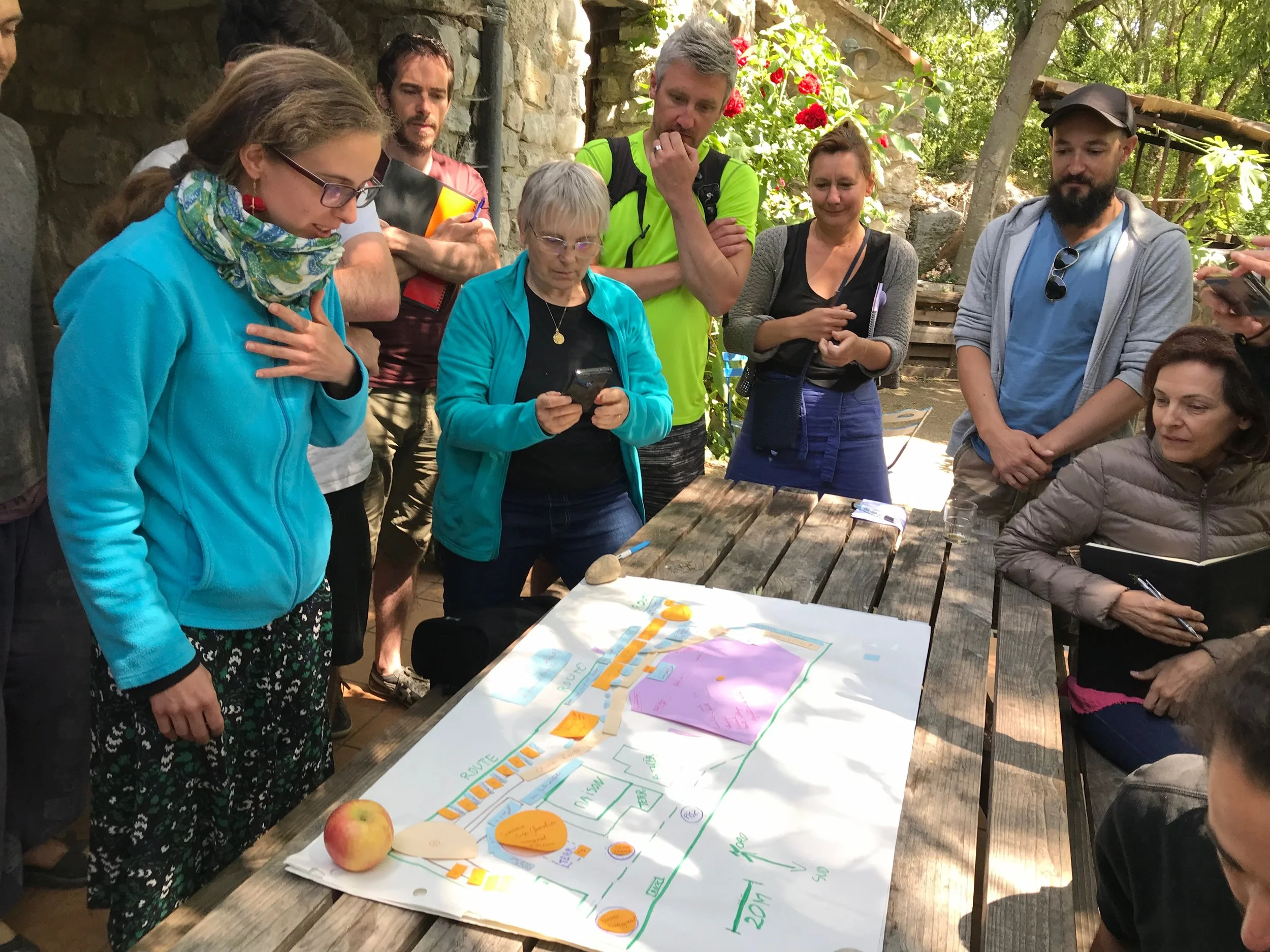
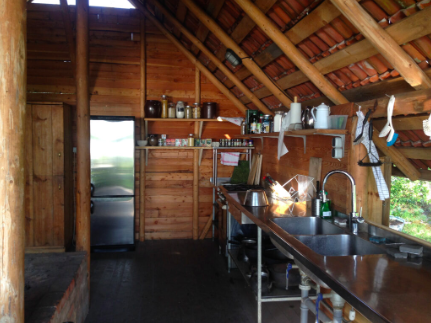
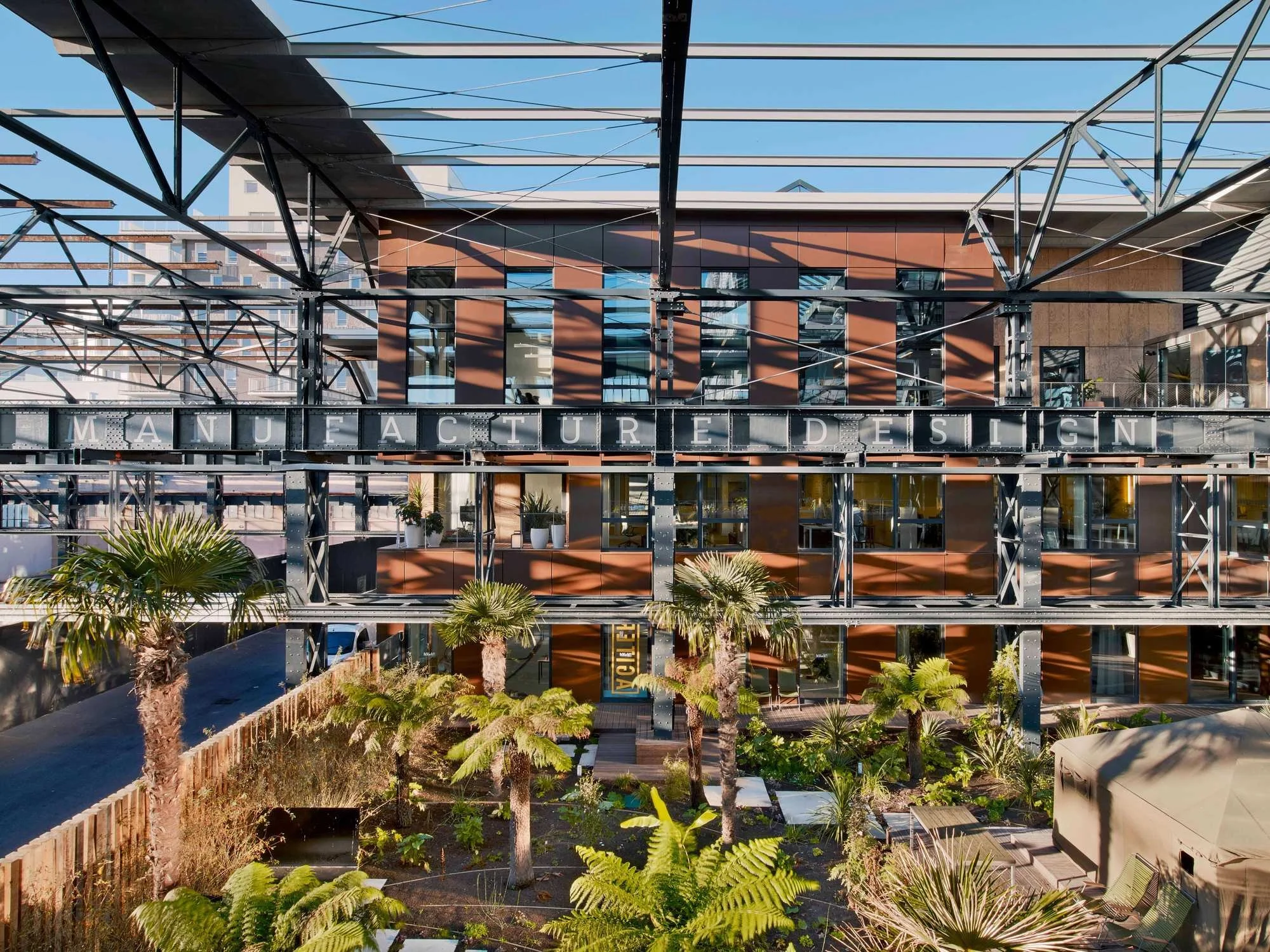
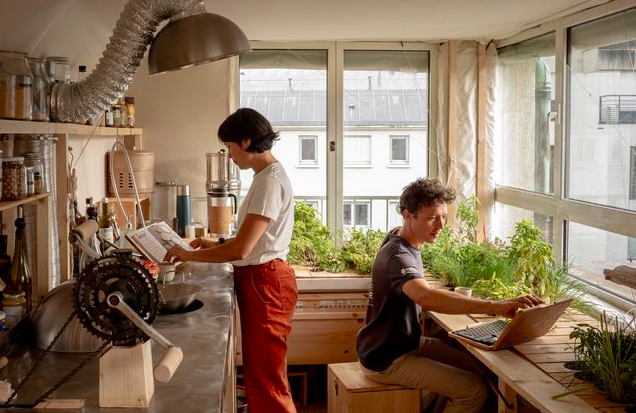
This offer brings HealthyLab into physical form inside your organisation or community. Together, we design and co-develop a living space where food, movement, learning, and social rhythms become part of everyday life. A place for communal cooking, walking meetings, shared rituals, micro-gym or movement corners, quiet reflection, collective meals, and health-supporting behaviours embedded in the architecture of work.
A HealthyLab is not a perk. It is an ecological redesign of human environments — a system that supports long-term vitality for individuals and groups.
Build your HealthyLab with us to implement collective wellbeing practices and healthier social environments


Life-Friendly Society
HealthyLab is evolving towards a broader mission: designing human systems that make wellbeing the default rather than the exception. This includes research into longevity patterns across cultures, cross-disciplinary work connecting food systems with environmental regeneration, development of new program formats blending movement, cooking, psychology, and nature immersion, and exploration of how digital tools can support healthier rhythms rather than disrupt them.
Underlying everything is a simple belief: wellbeing is not a luxury. It is the foundation for meaningful work, strong relationships, creative expression, and long-term resilience.
Collaborate with HealthyLab on food culture projects or community-based regeneration initiatives and research