LandLab
Living prototypes of ecological regeneration.
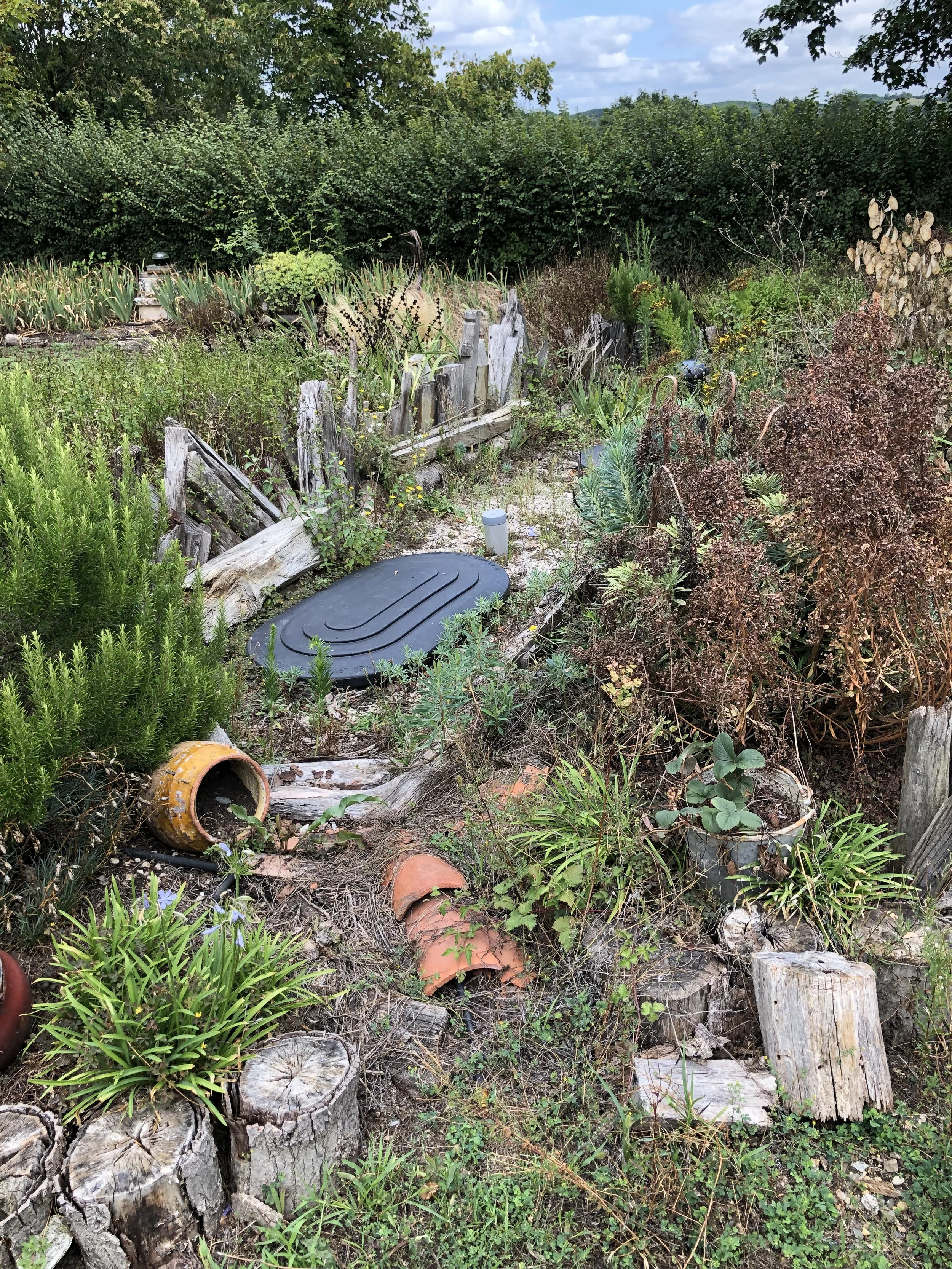
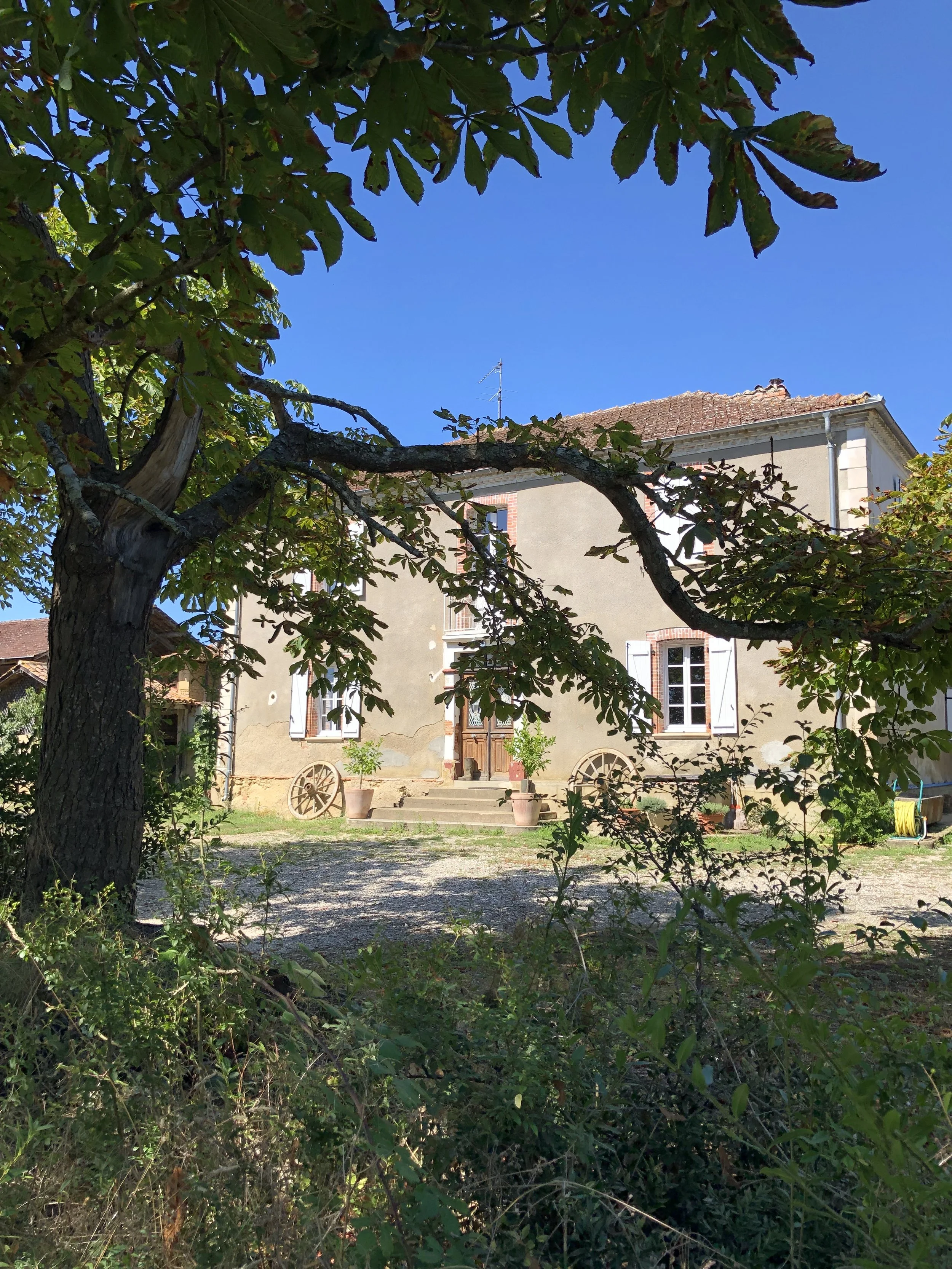
LandLab works with the physical world in its most direct form: soil, water, heat, plants, animals, microbes, weather, topography, and time. While other Labs explore systems, strategies, and futures, this Lab deals with the oldest teacher of all: the land itself. It builds on years of experience running a small farm, tending ecosystems, managing droughts, producing food, learning from permaculture, repairing broken soils, observing natural succession, and navigating the politics of land use. Land is where abstract ideas meet friction, resistance, and consequence; it is where a philosophy becomes a daily practice.

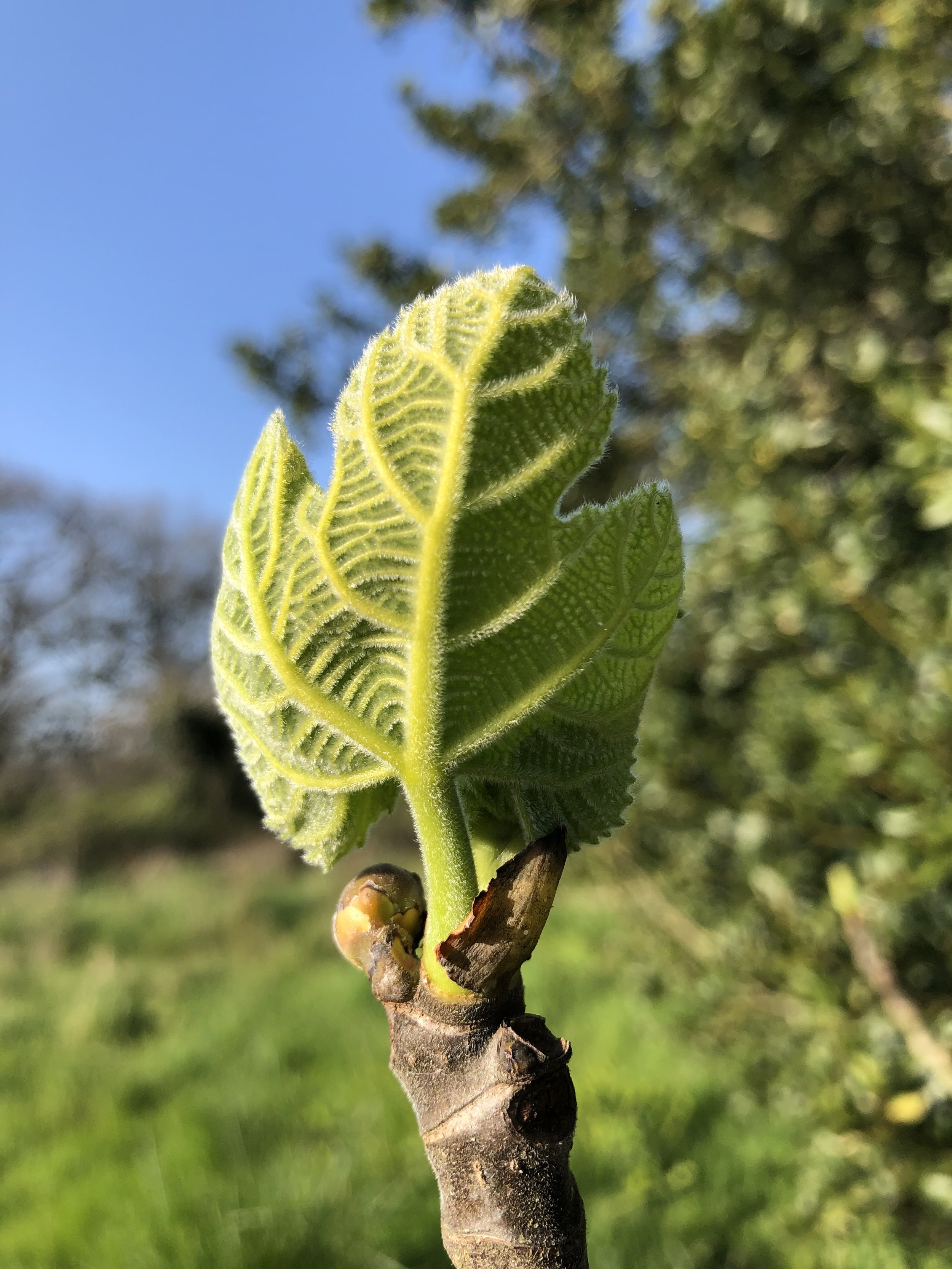
Land Assessment
Land is not a “plot.” It is a dynamic, multi-layered organism composed of minerals, organic matter, microbes, fungi, water pathways, plant roots, heat gradients, wind corridors, and symbiotic networks. A healthy landscape performs functions humans rarely acknowledge: filtering water, cycling nutrients, stabilizing climate, supporting biodiversity, and providing the conditions for human life. When land is degraded, the entire system collapses — water disappears, soils erode, species vanish, and cultural life follows.
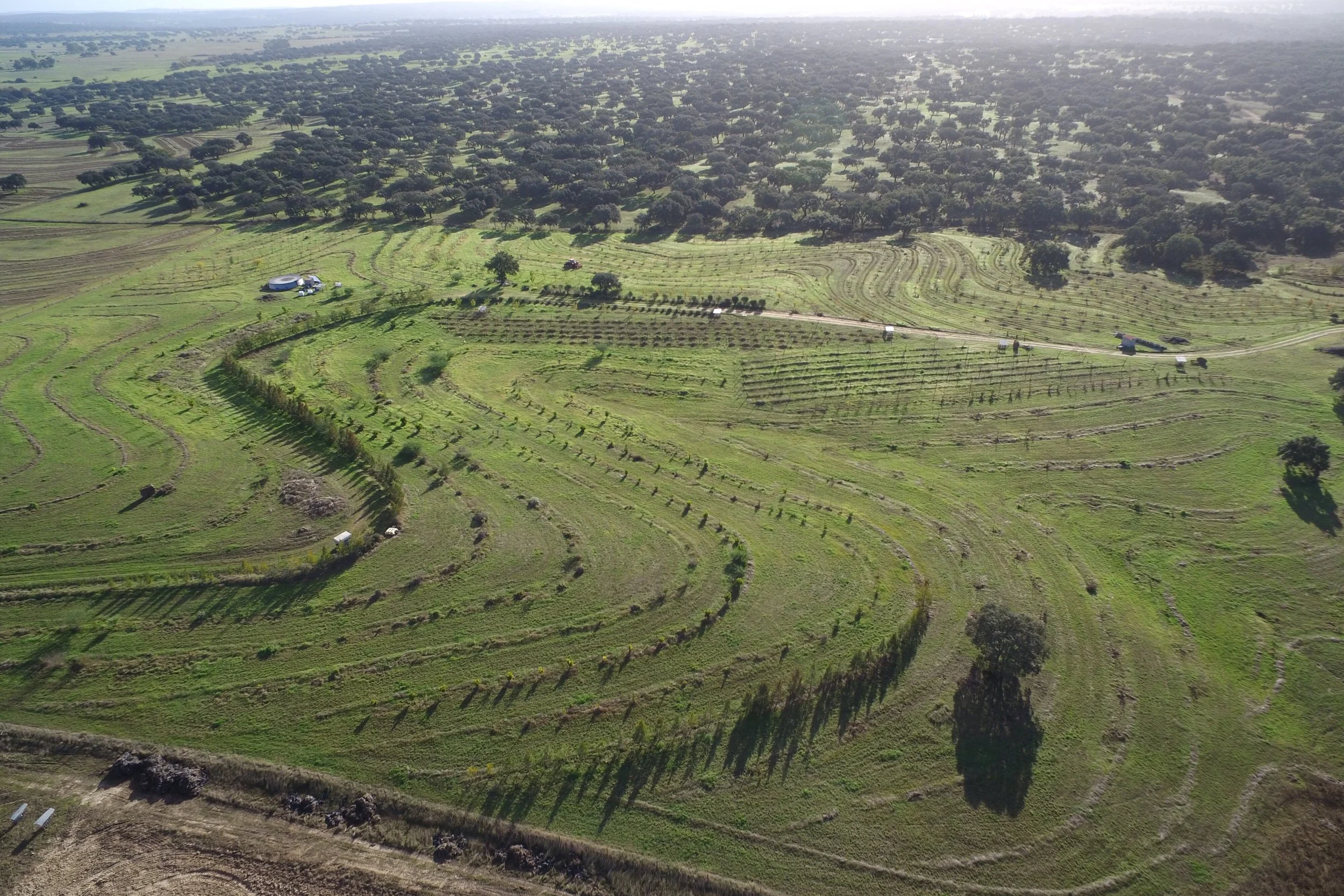
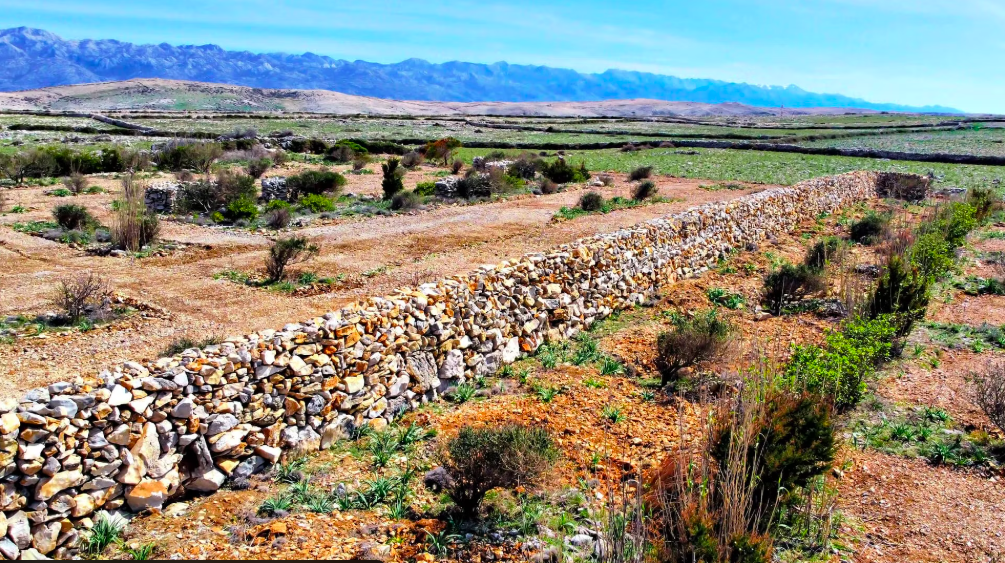
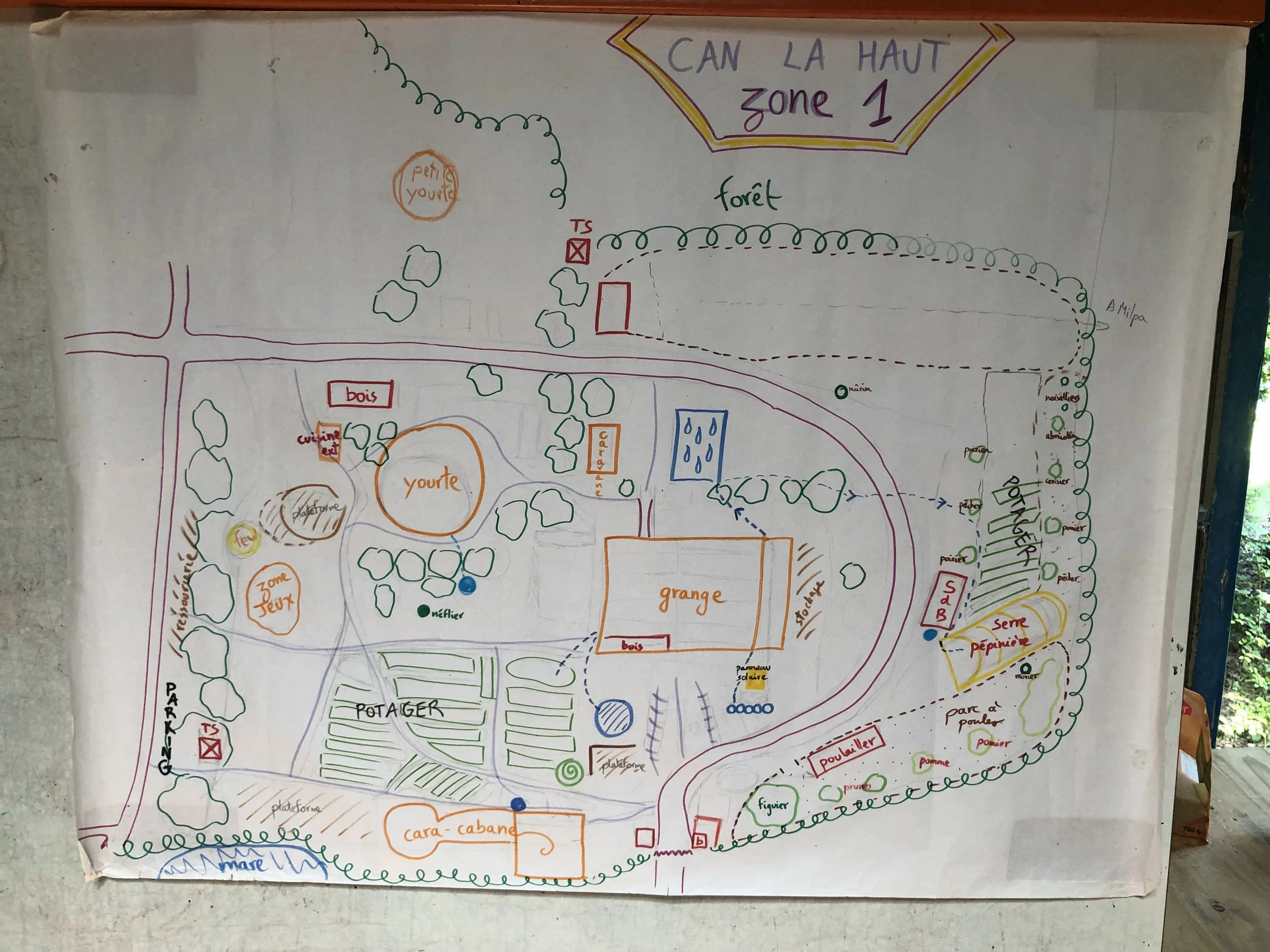
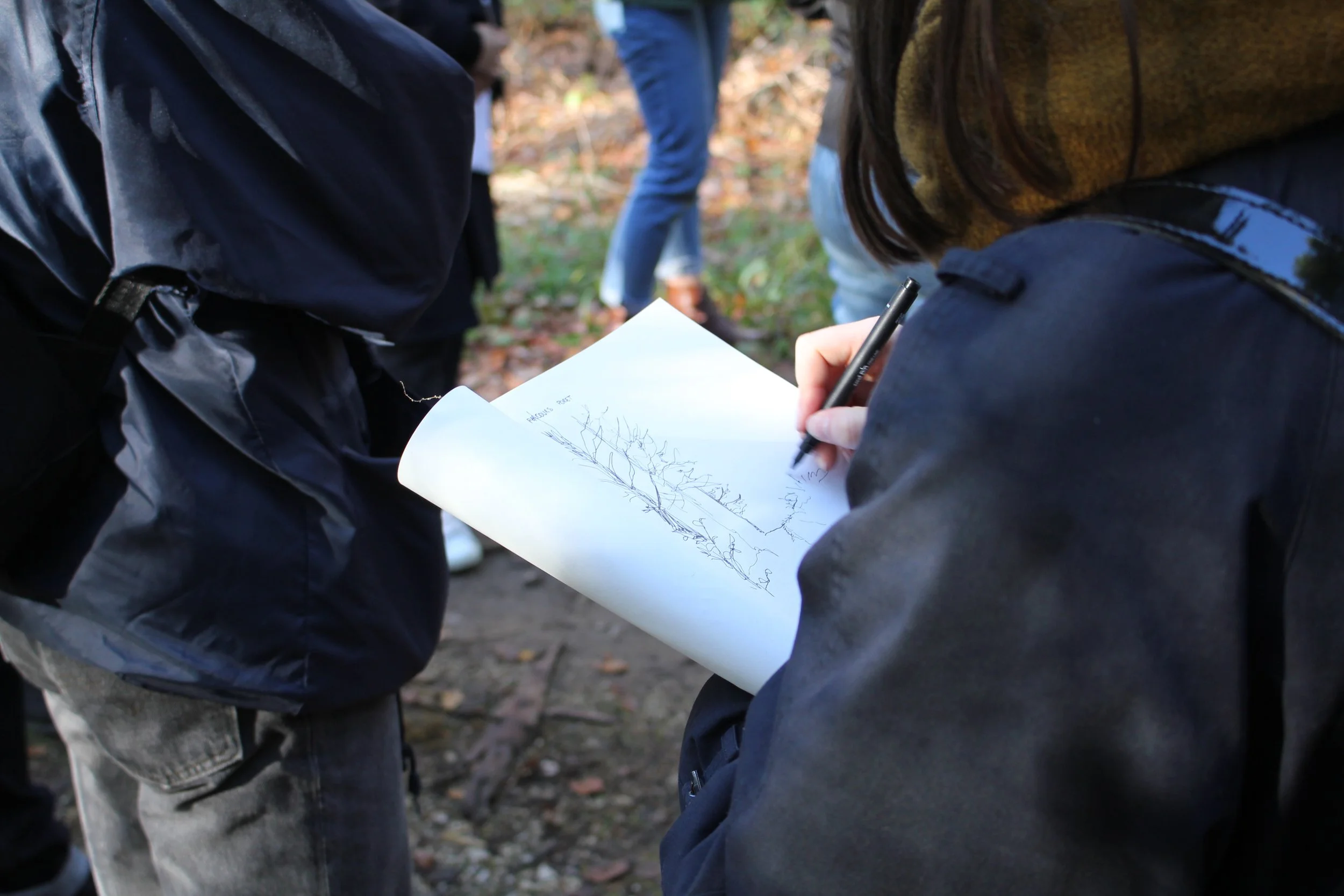
LandLab begins with reading the land: identifying slopes, exposures, hydrological patterns, soil horizons, microclimates, and ecological histories. It is a scientific and sensory practice at once, combining soil science, geomorphology, permaculture design, and informed with traditional ecological knowledge observations.
Let’s begin with a Land Assessment: a full reading of soils, water flows, microclimates, and ecosystem potential


Regeneration Plan
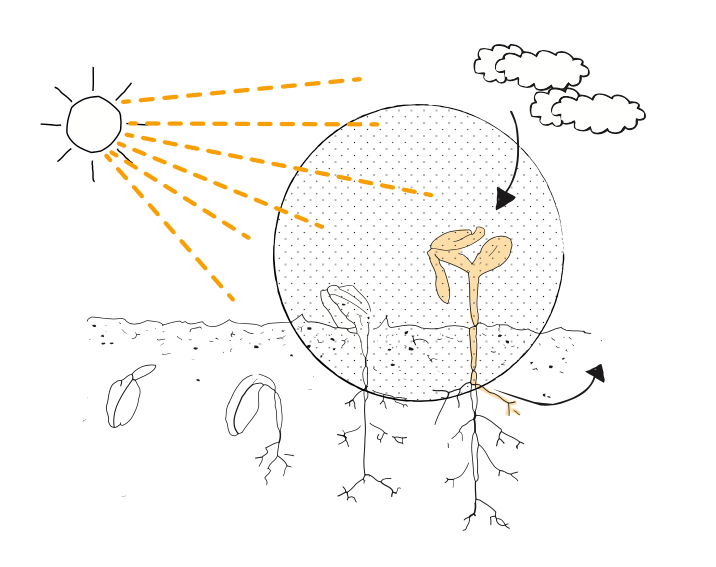
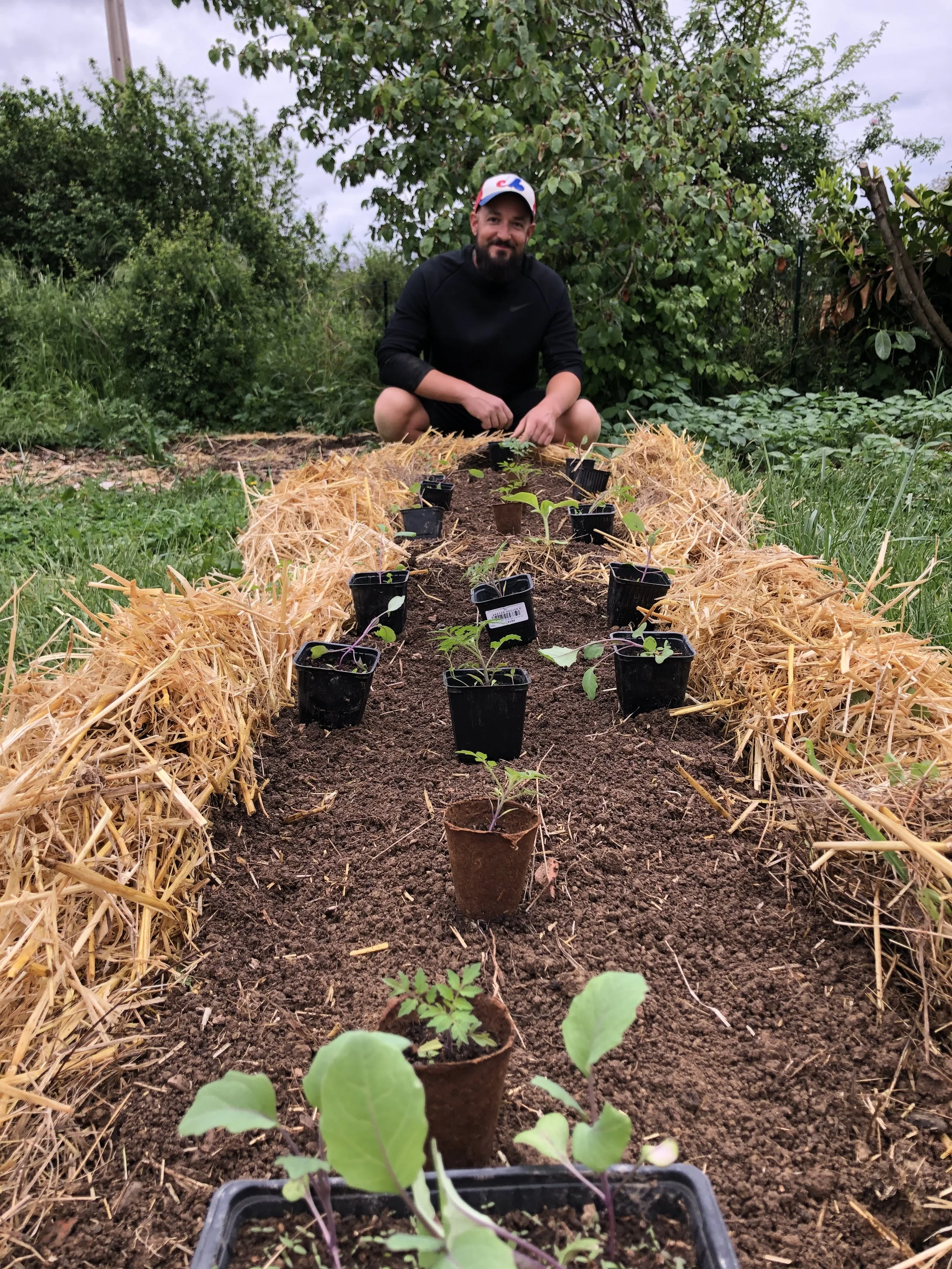
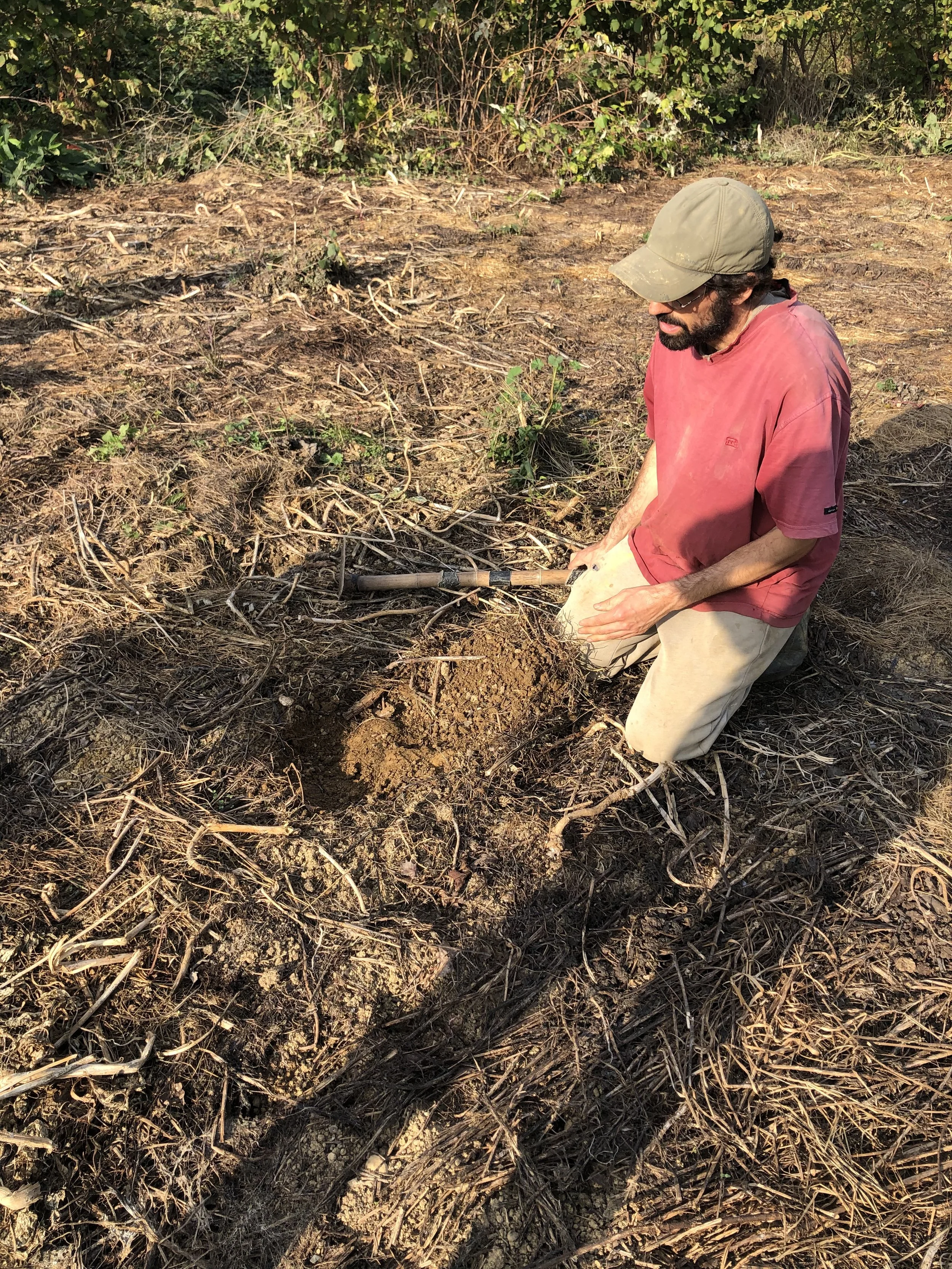
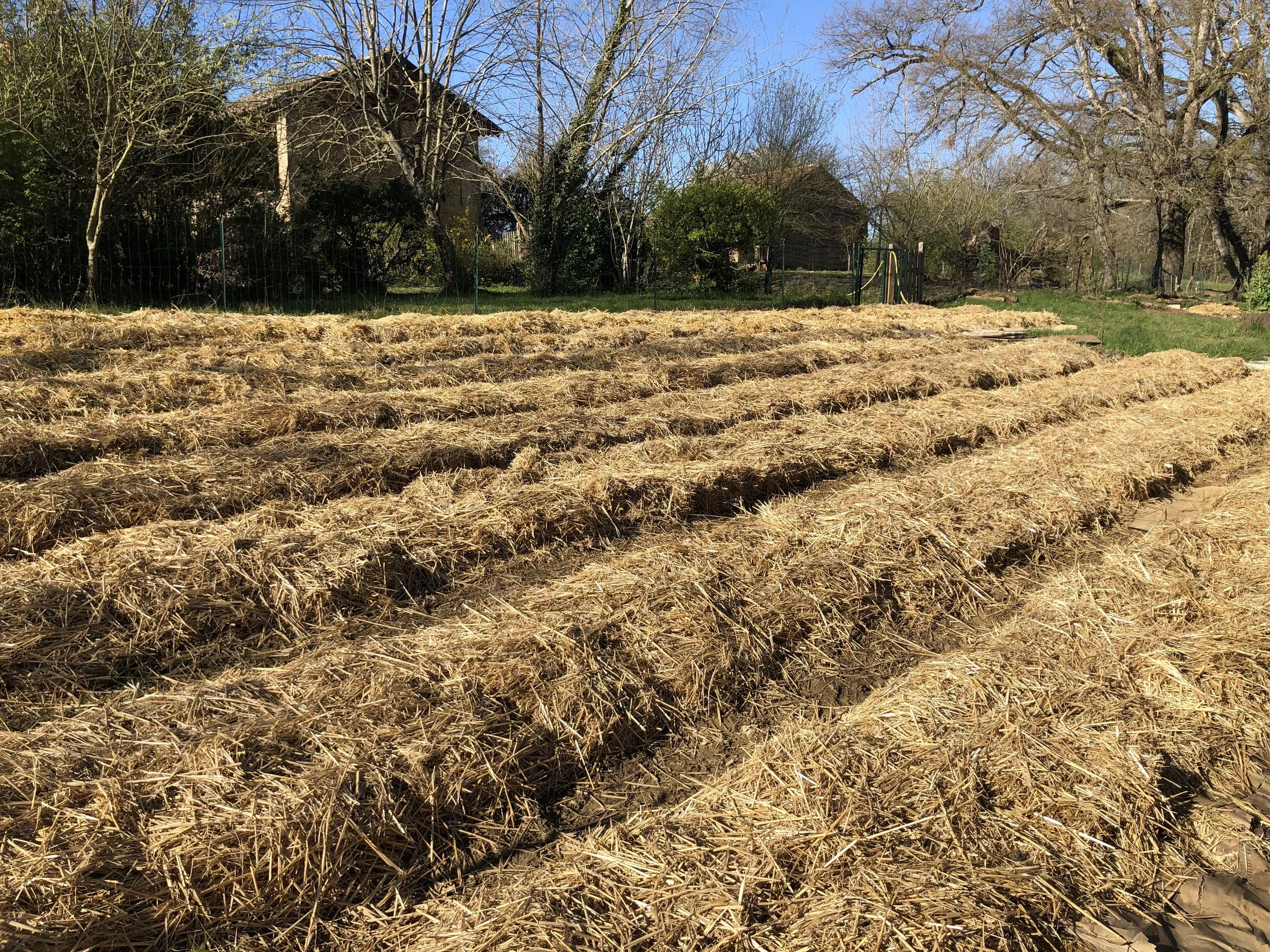
Healthy soil is a living system, not a substrate. It contains billions of microbial interactions, fungal networks that transfer nutrients between plants, chemical exchanges that determine fertility, and water retention mechanisms that can make the difference between resilience and collapse. A landscape’s longevity depends on the structure of its soil more than any human intervention.
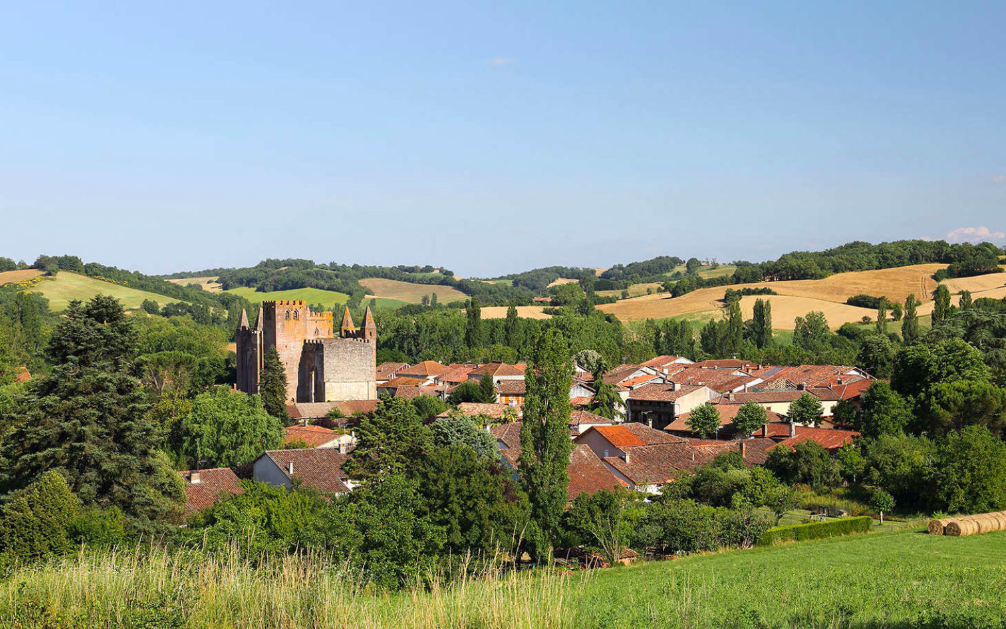
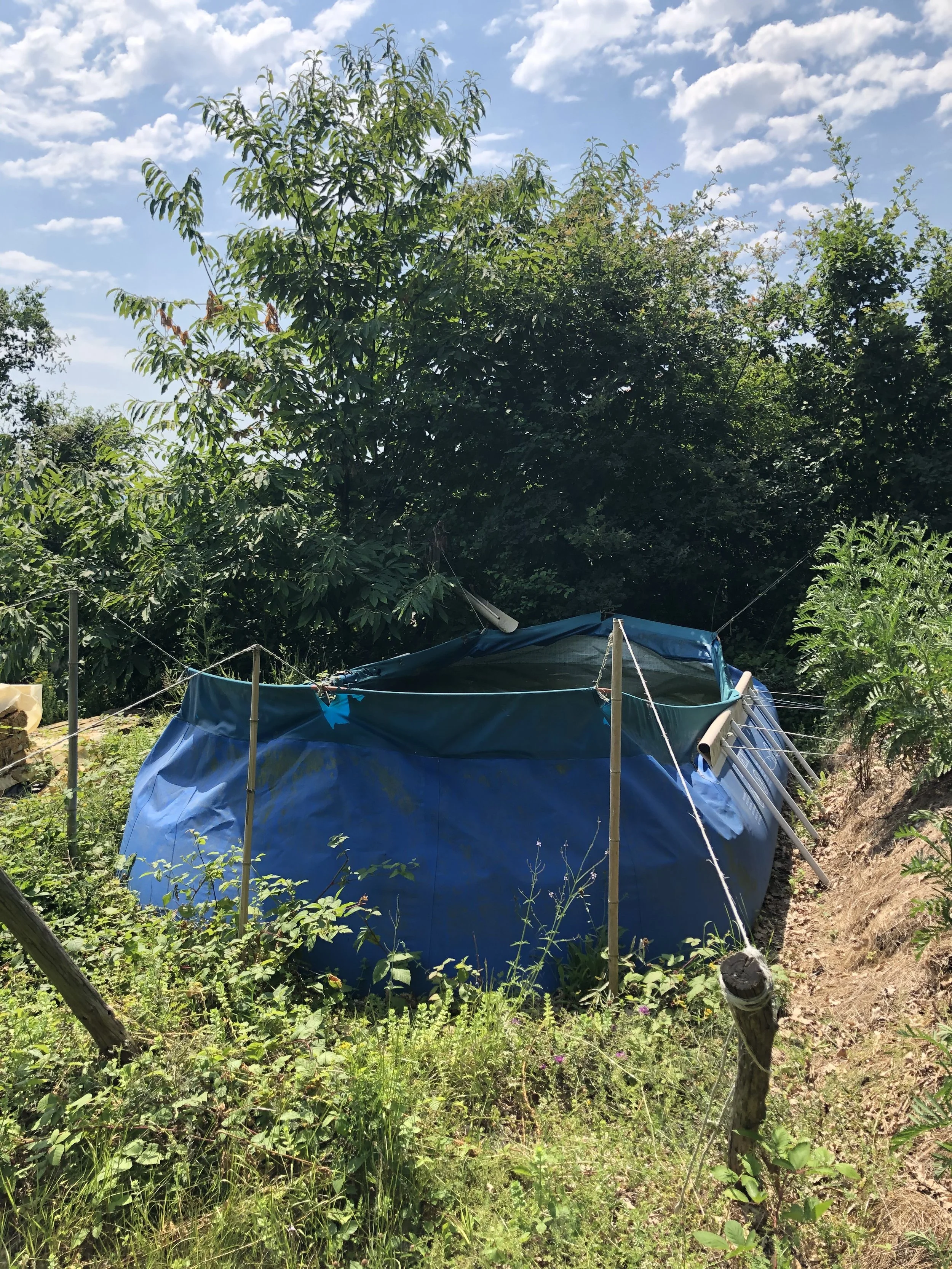
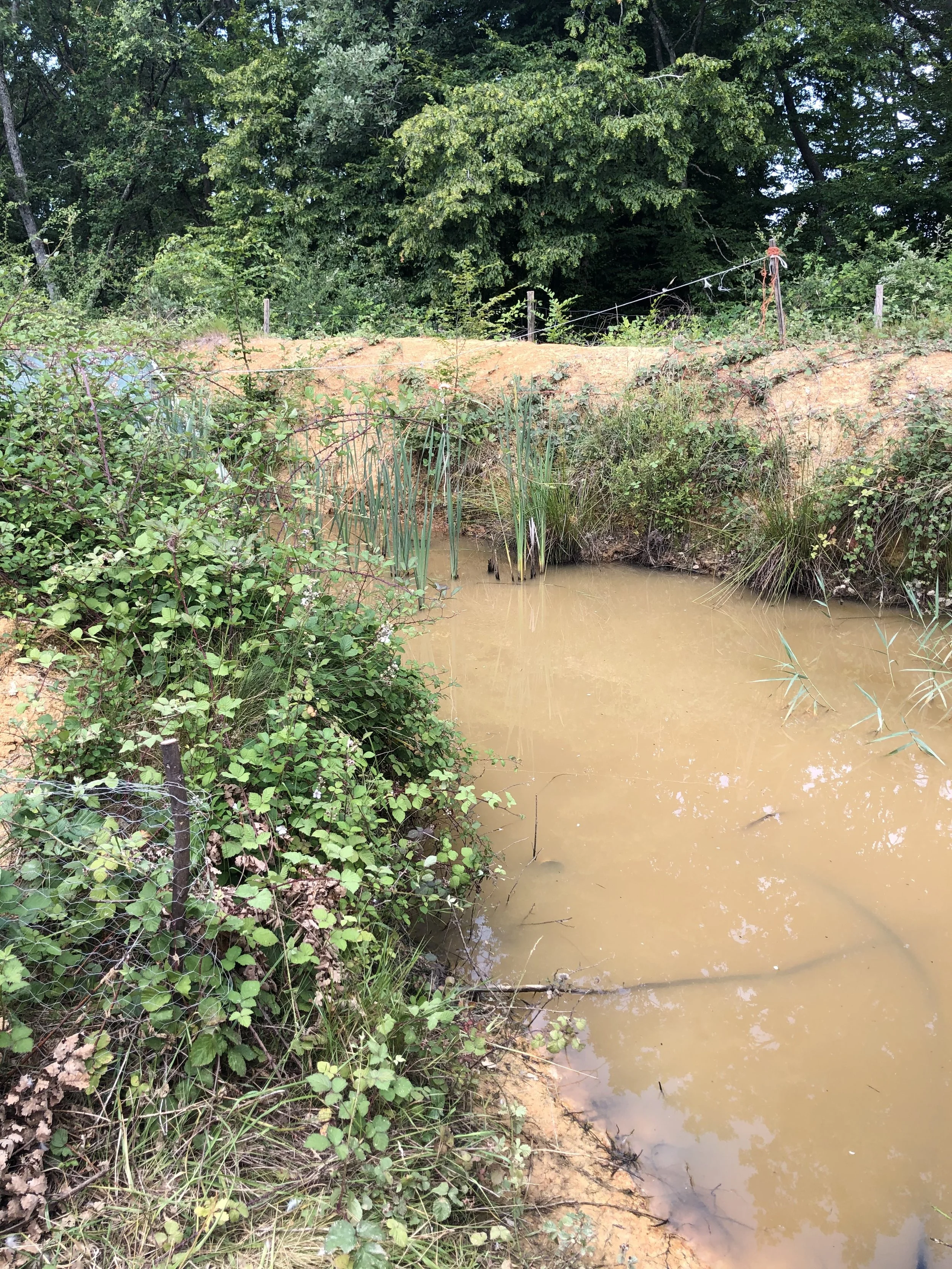
Water follows this logic too. The shape of the land dictates the movement of water; the movement of water dictates the life of the land. Permaculture has long understood that water must be slowed, spread, and stored, not forced, drained, or wasted. LandLab integrates watershed design with soil regeneration to rebuild landscapes from the microscopic to the territorial scale.
Together we can work on a Regeneration Plan integrating permaculture, hydrology, and ecological restoration
Onsite Workshops
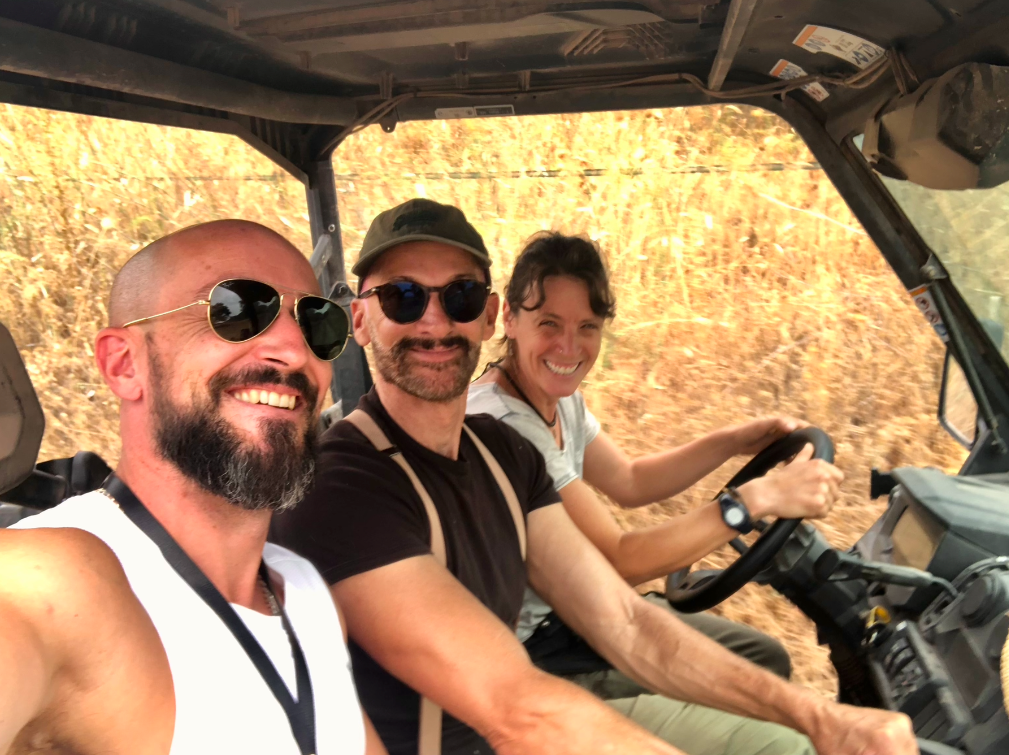
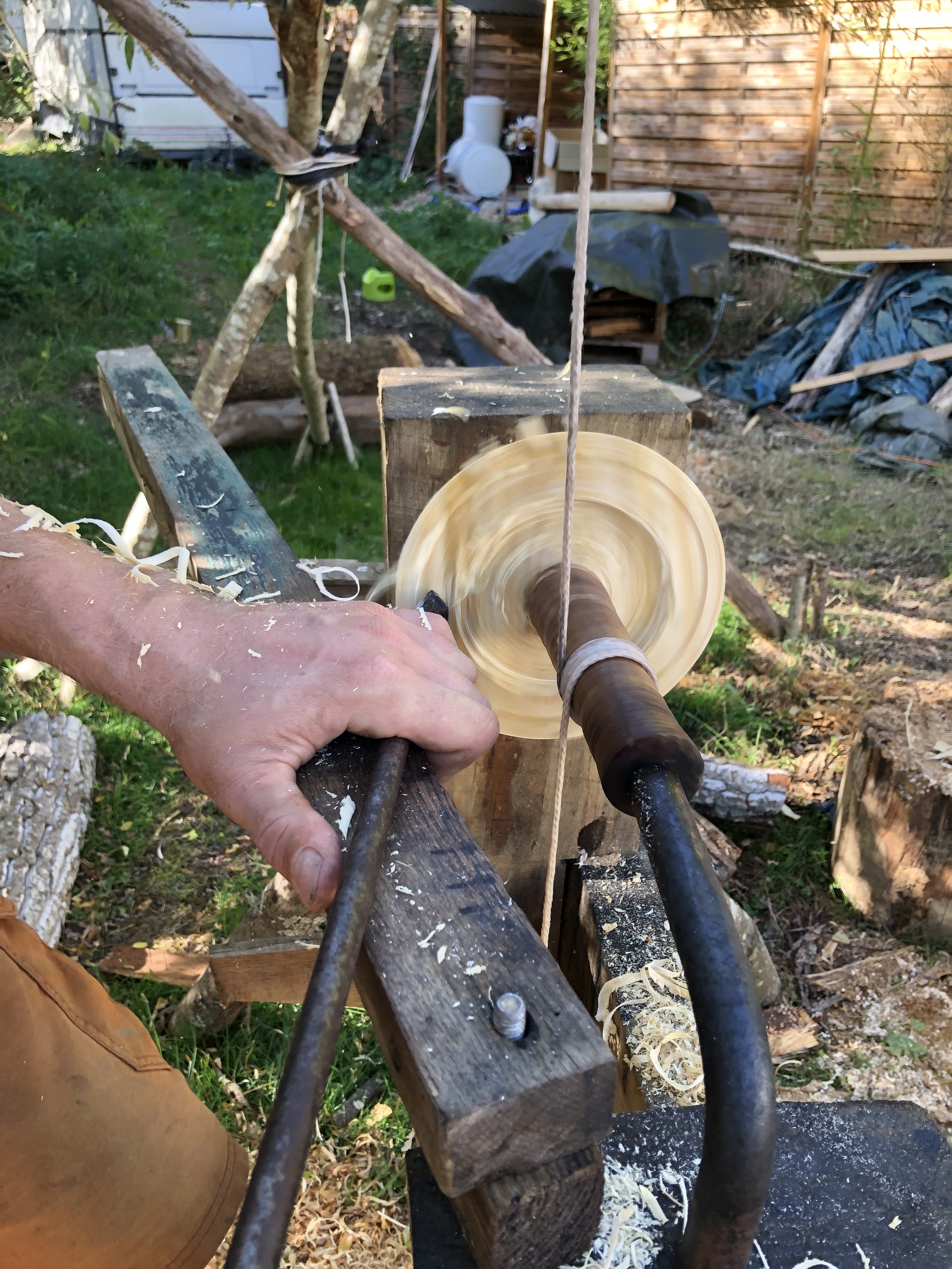
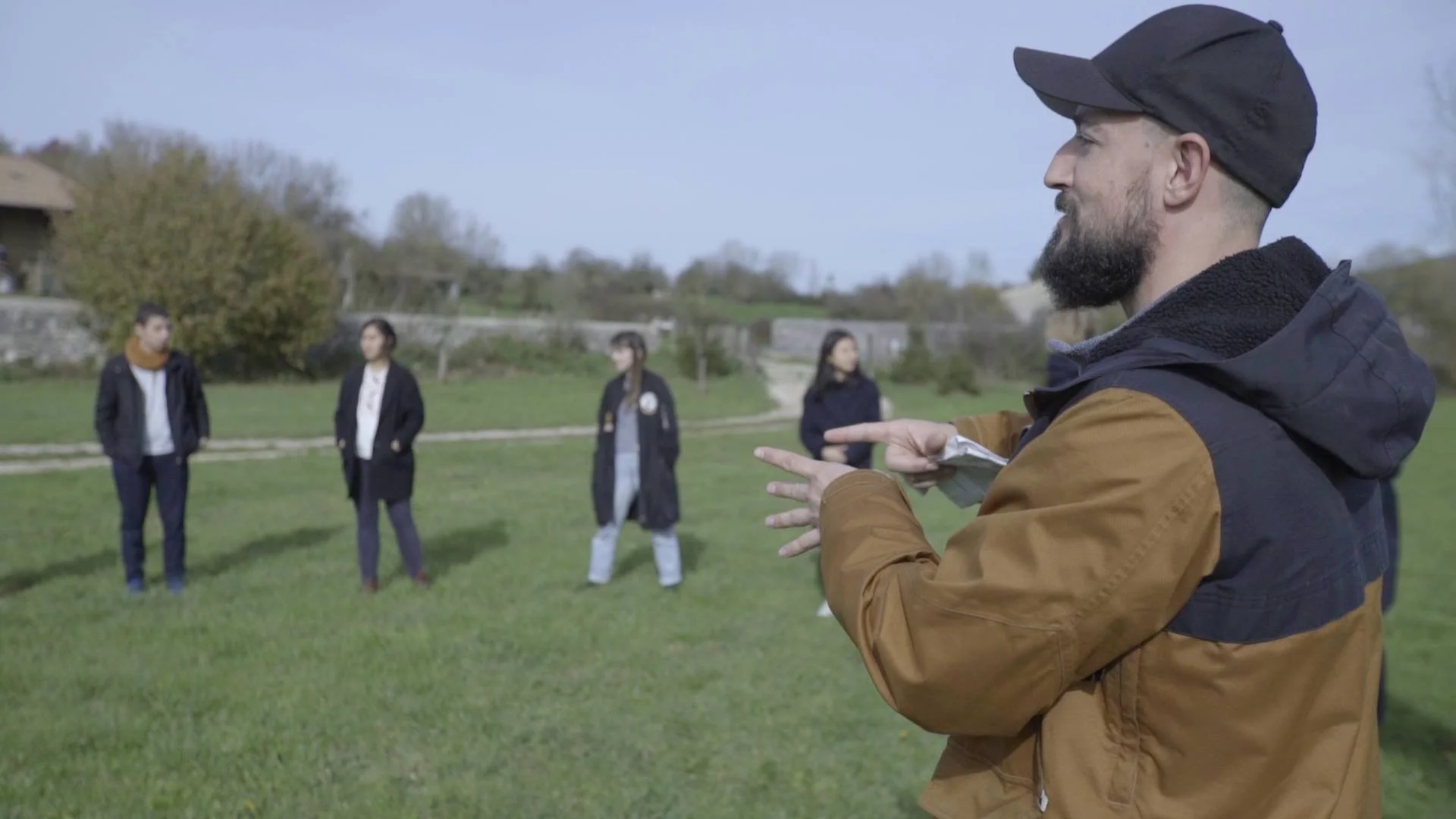
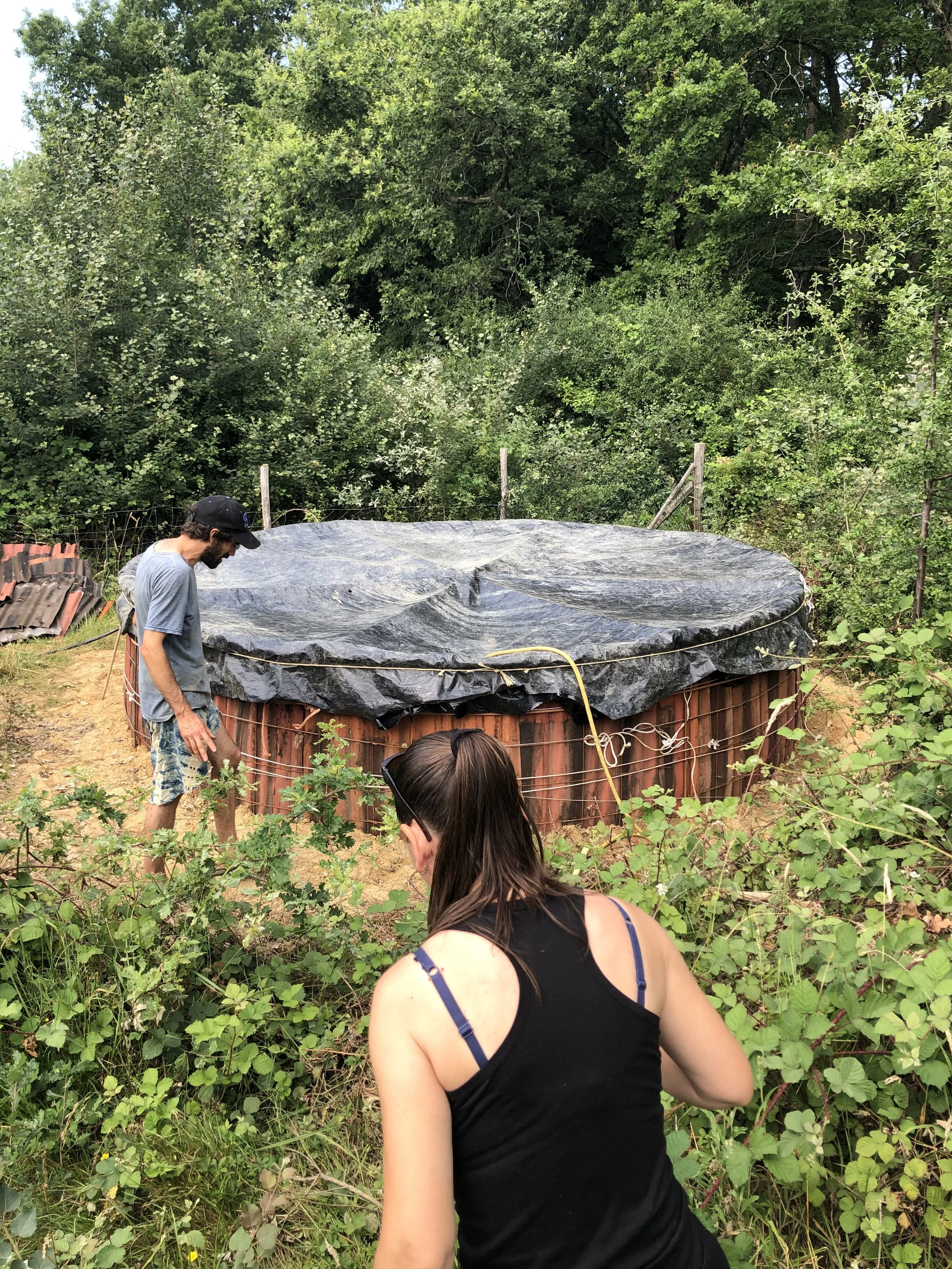
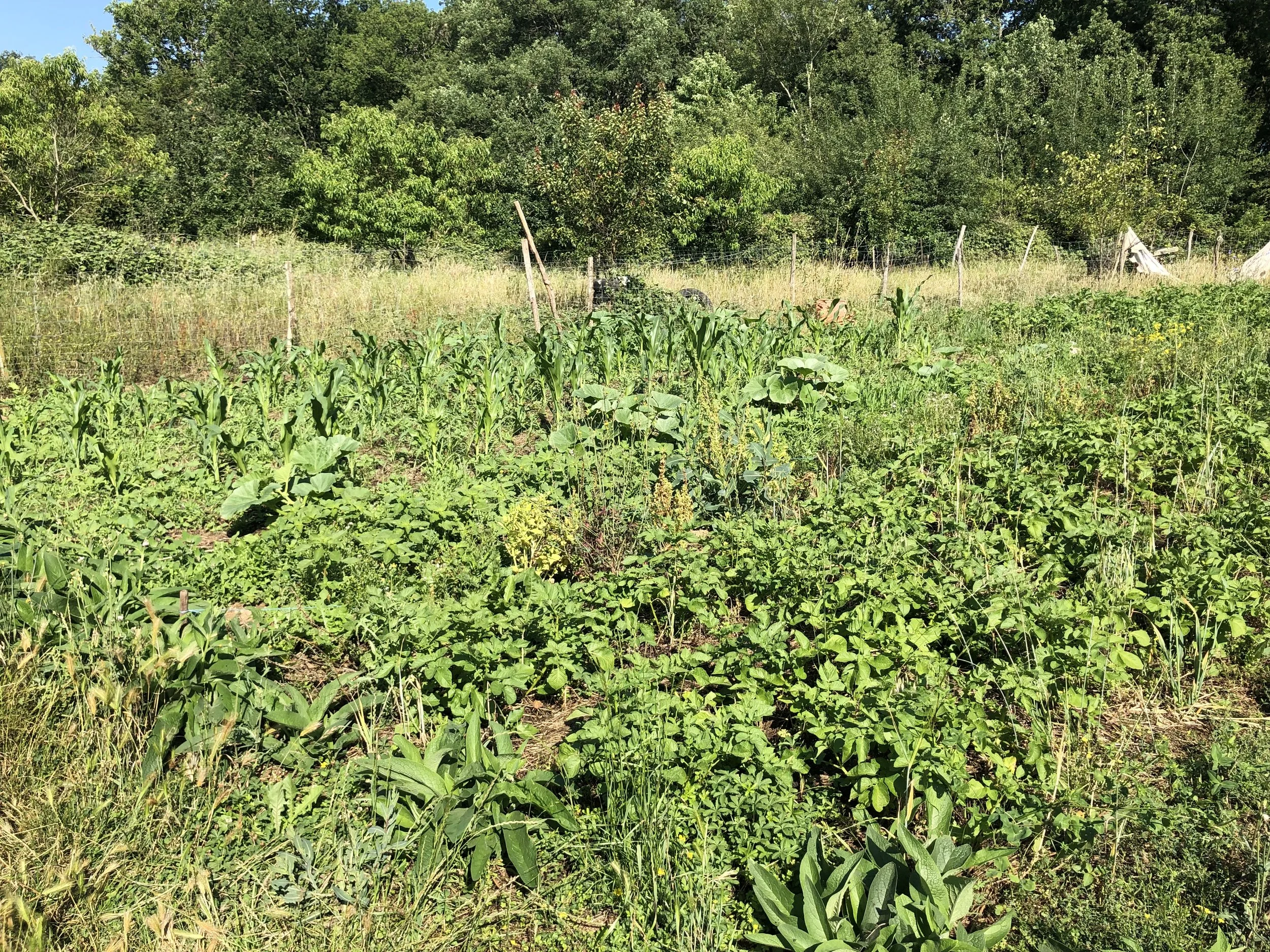
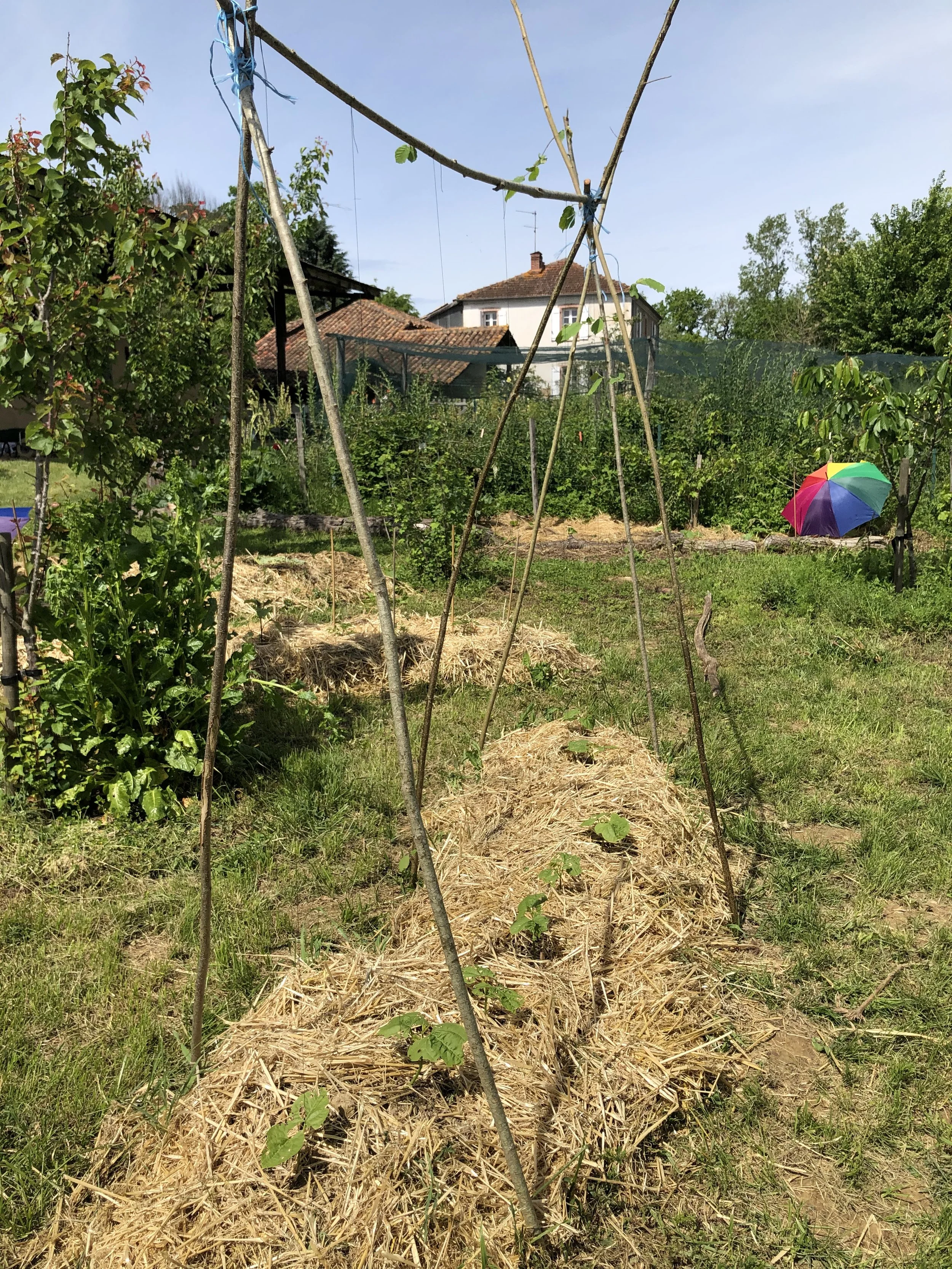
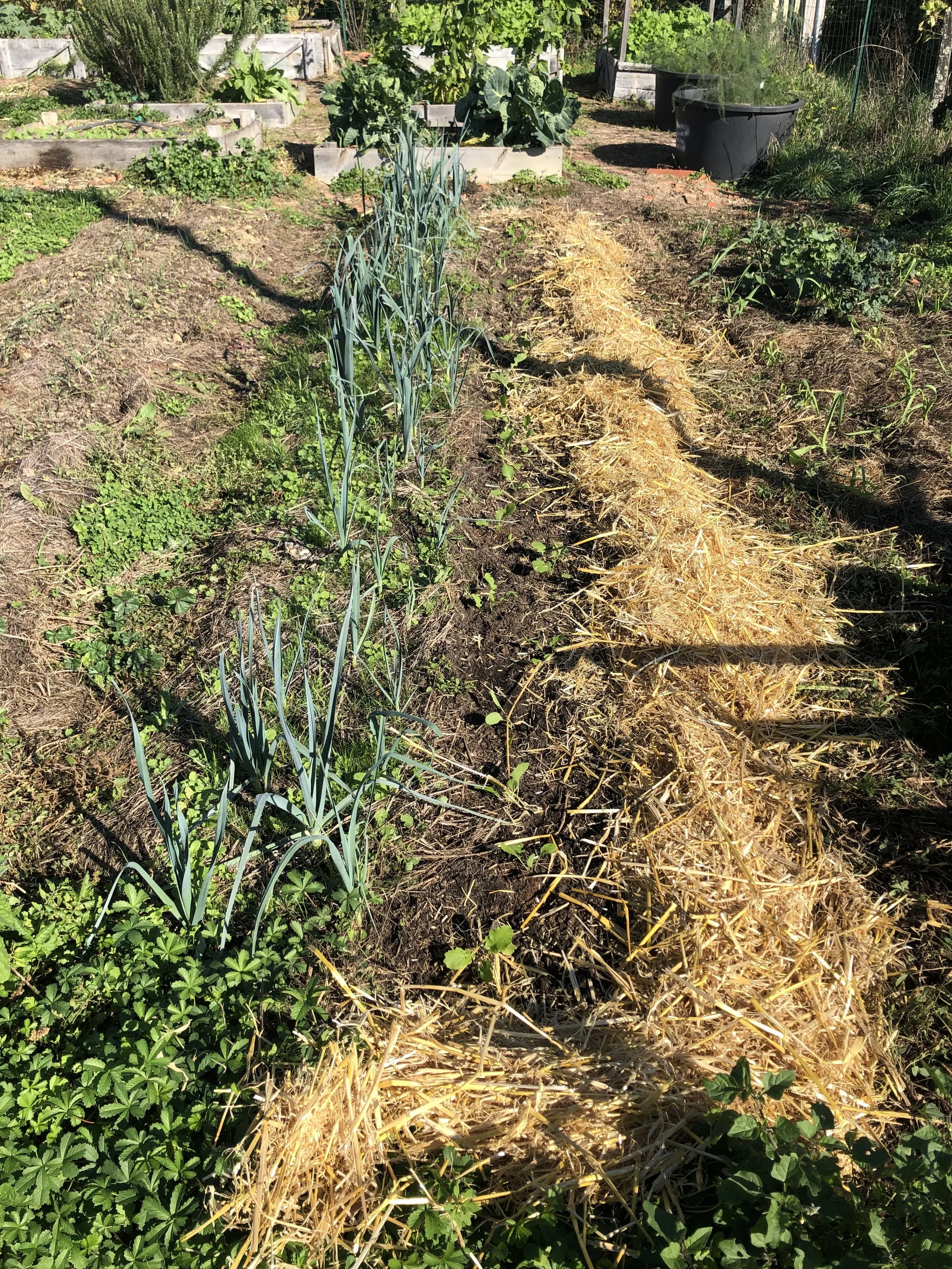
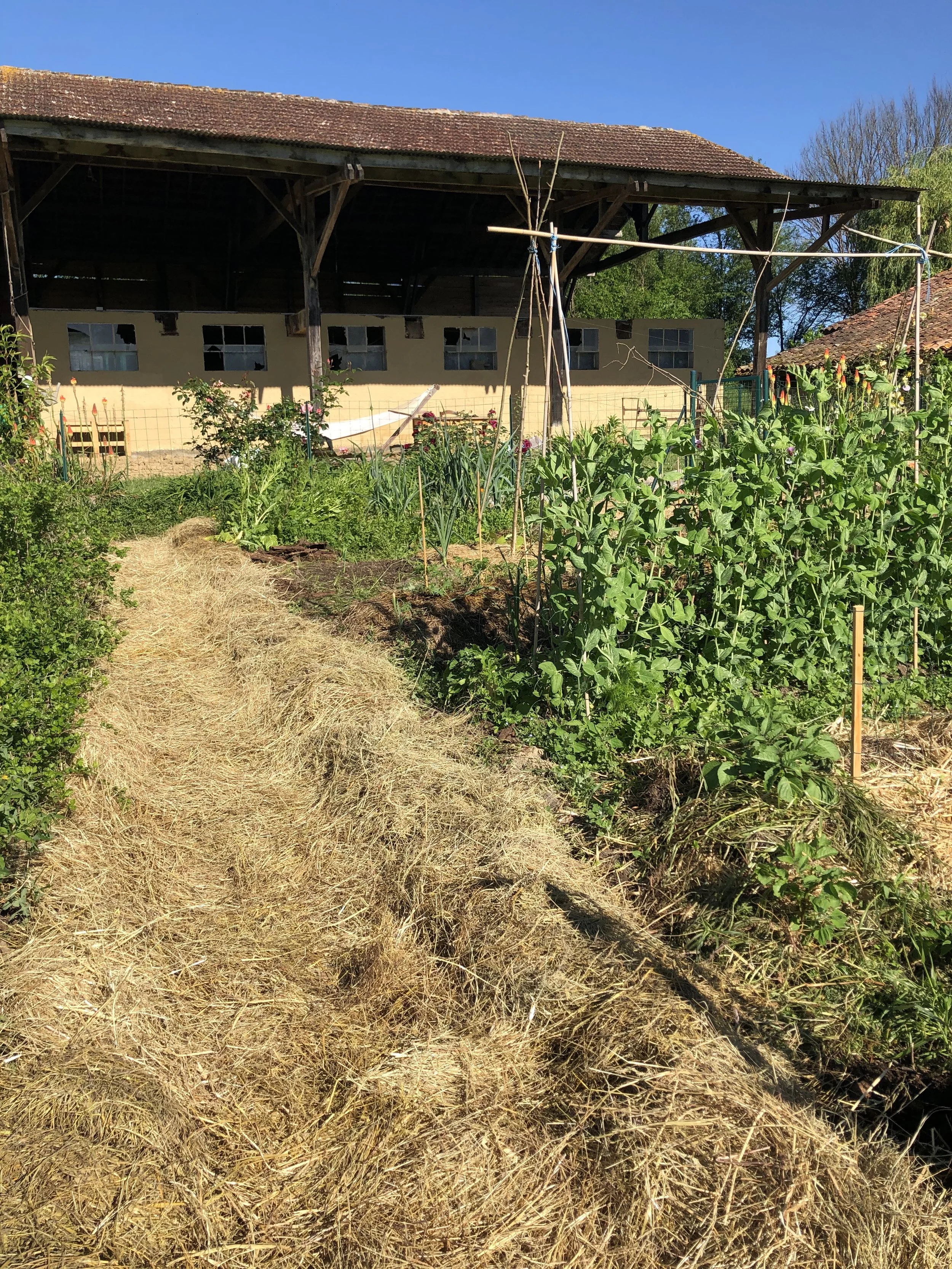
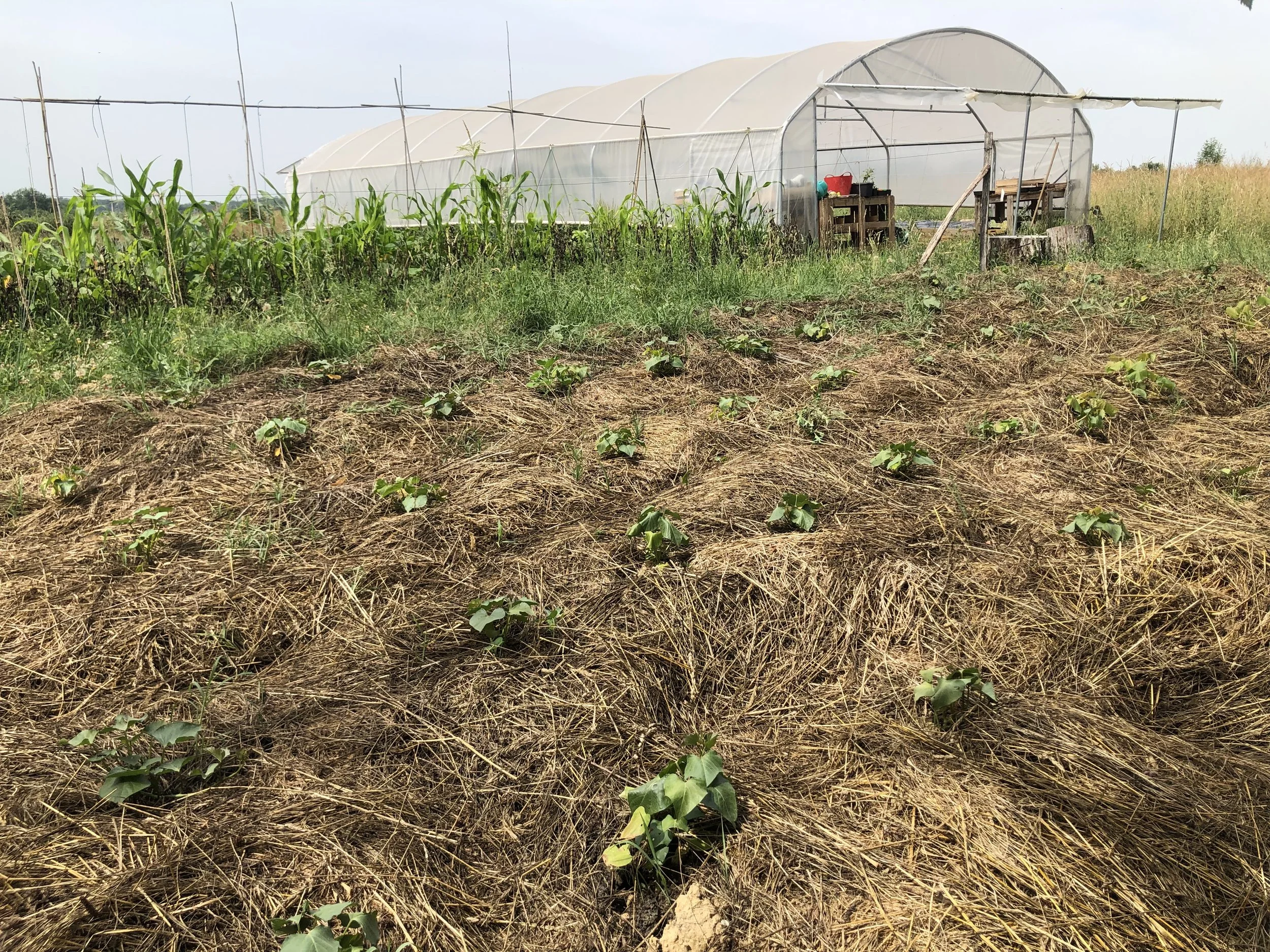
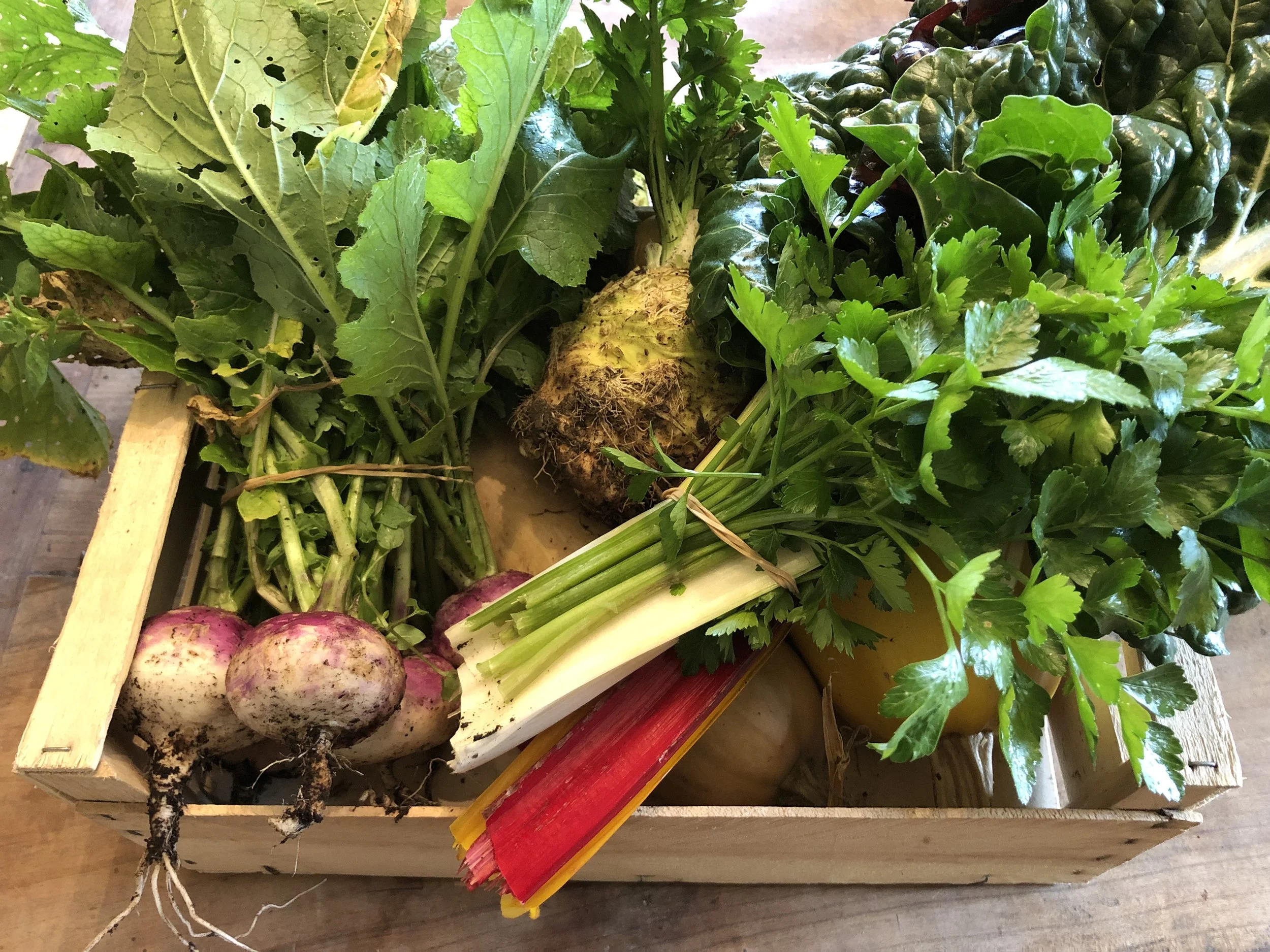
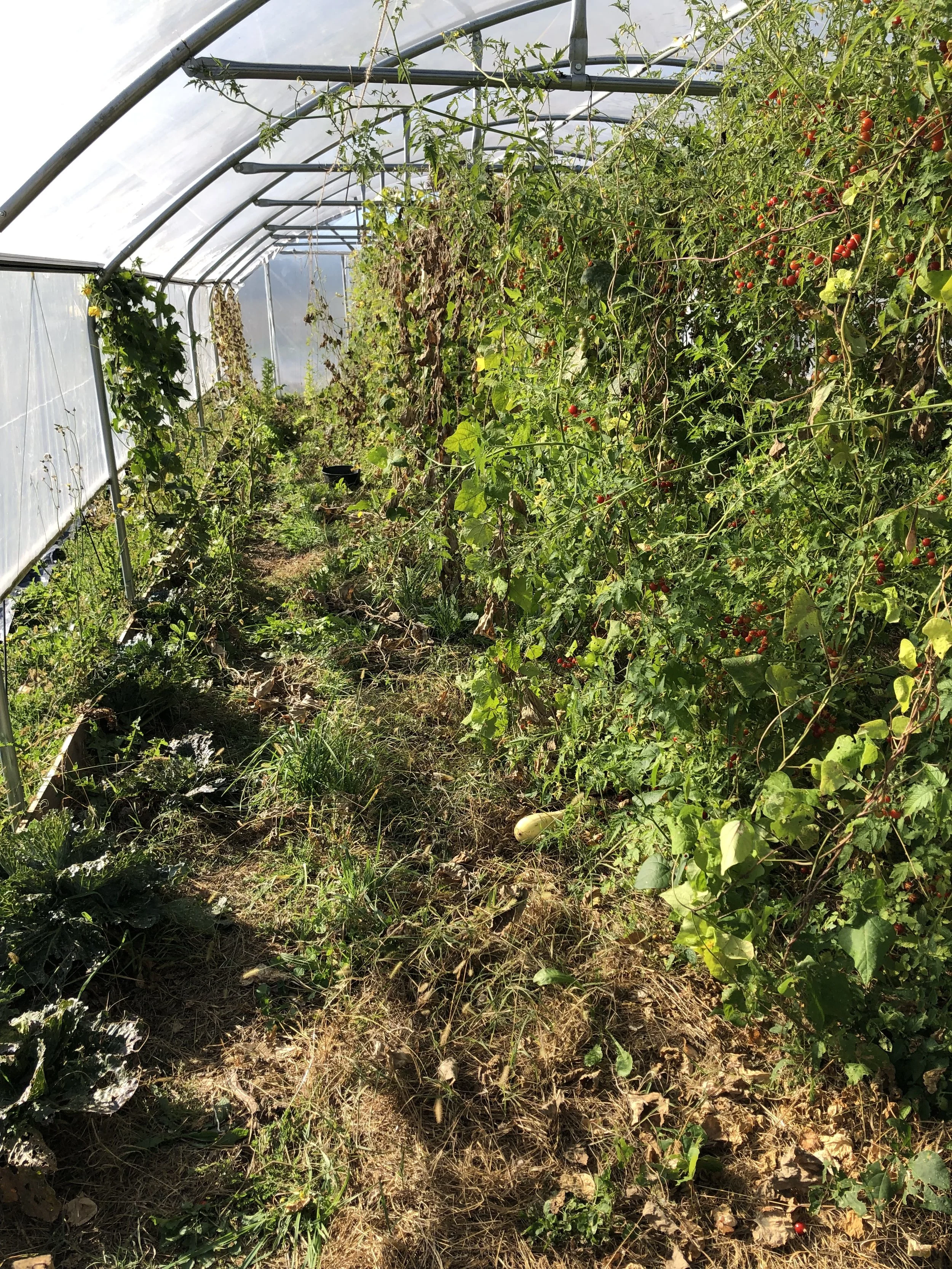
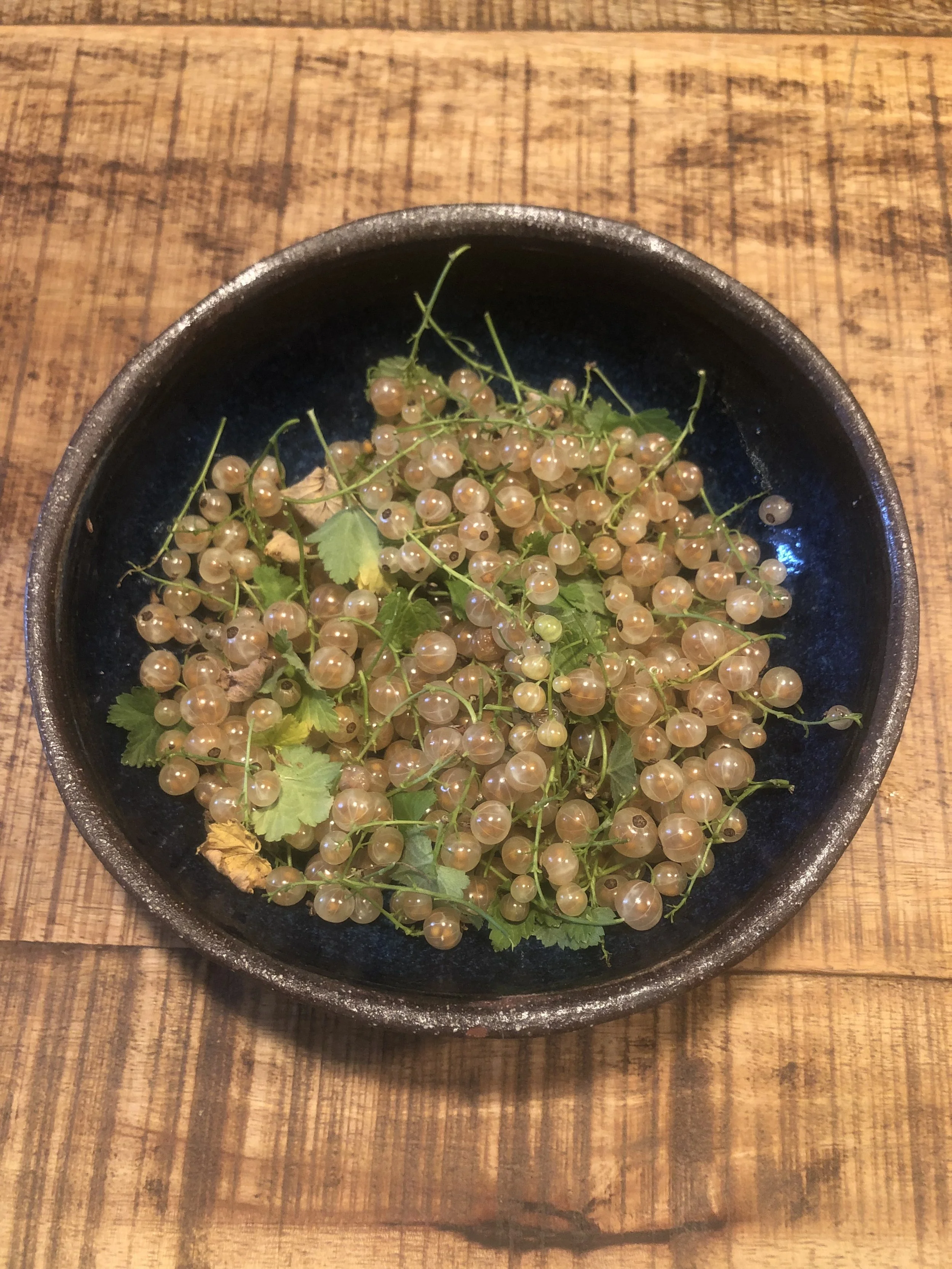
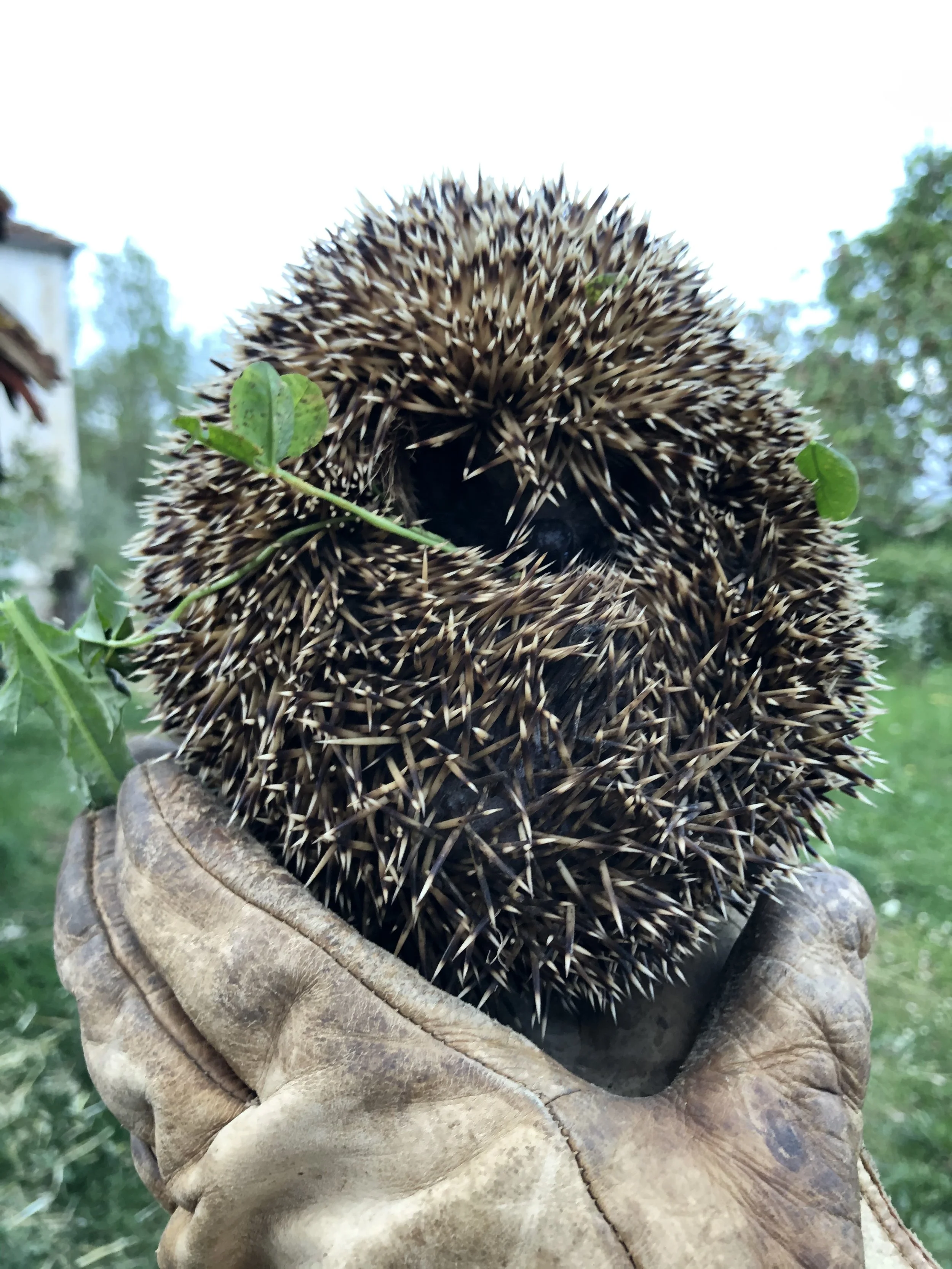
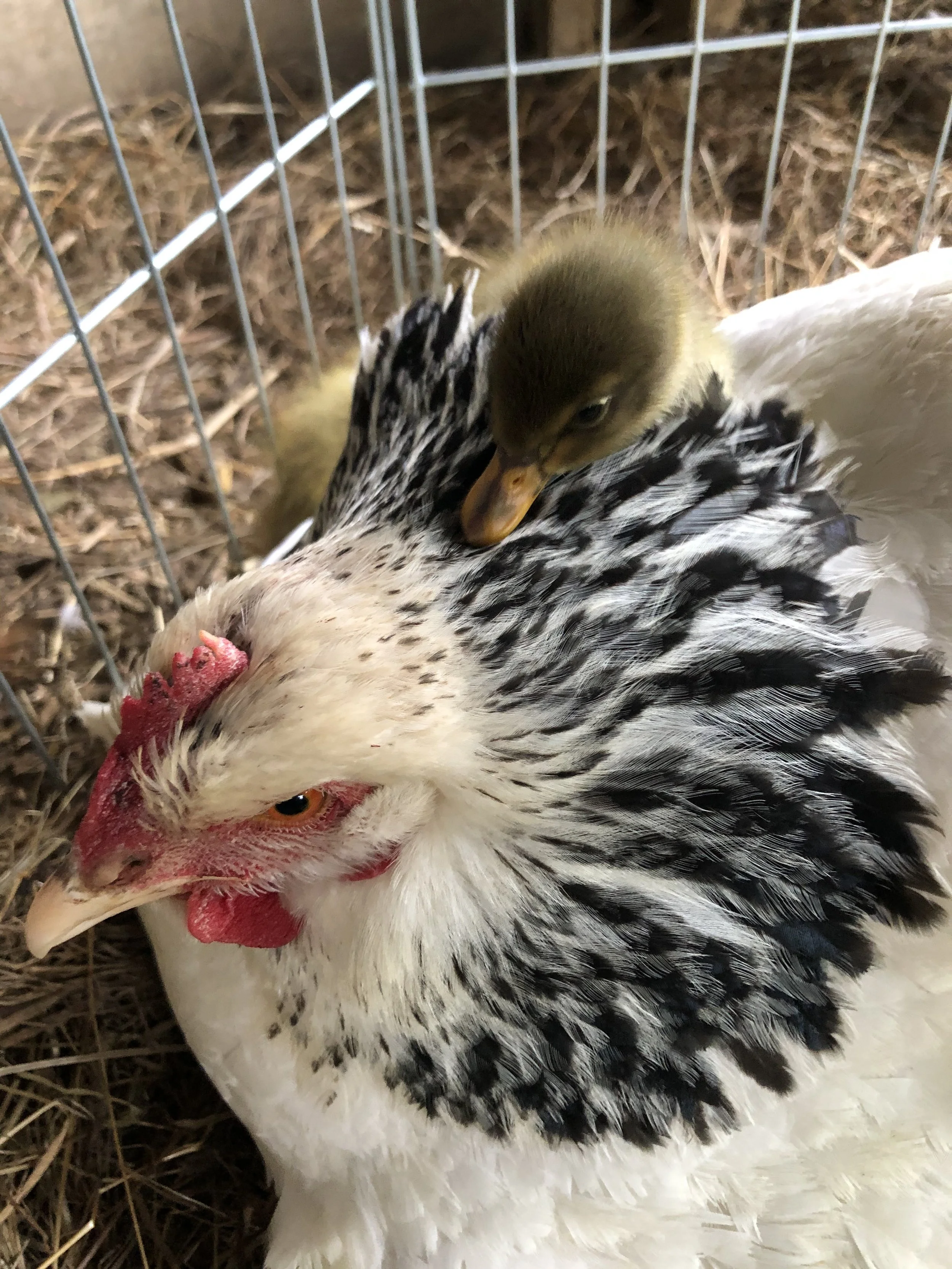
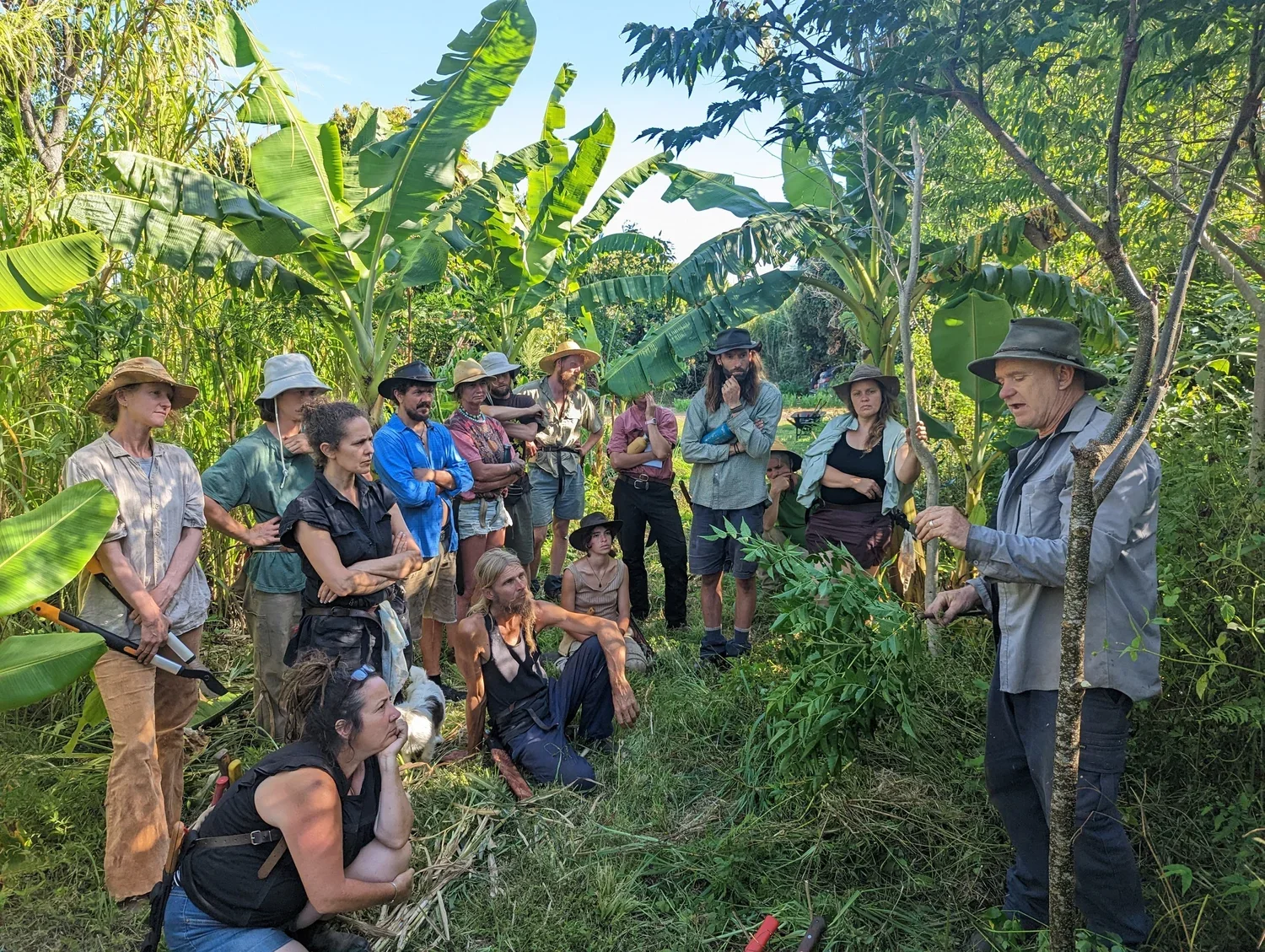
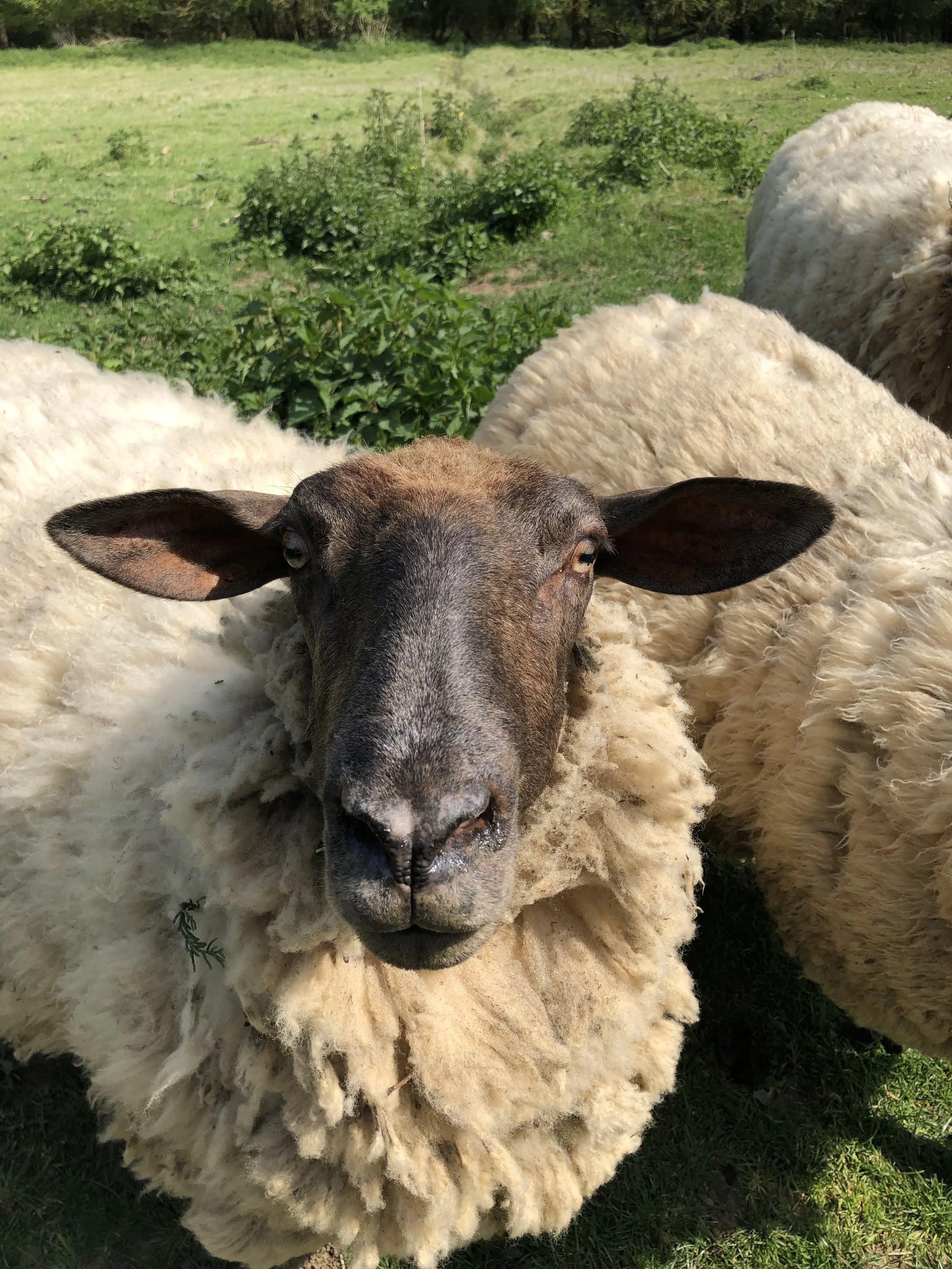
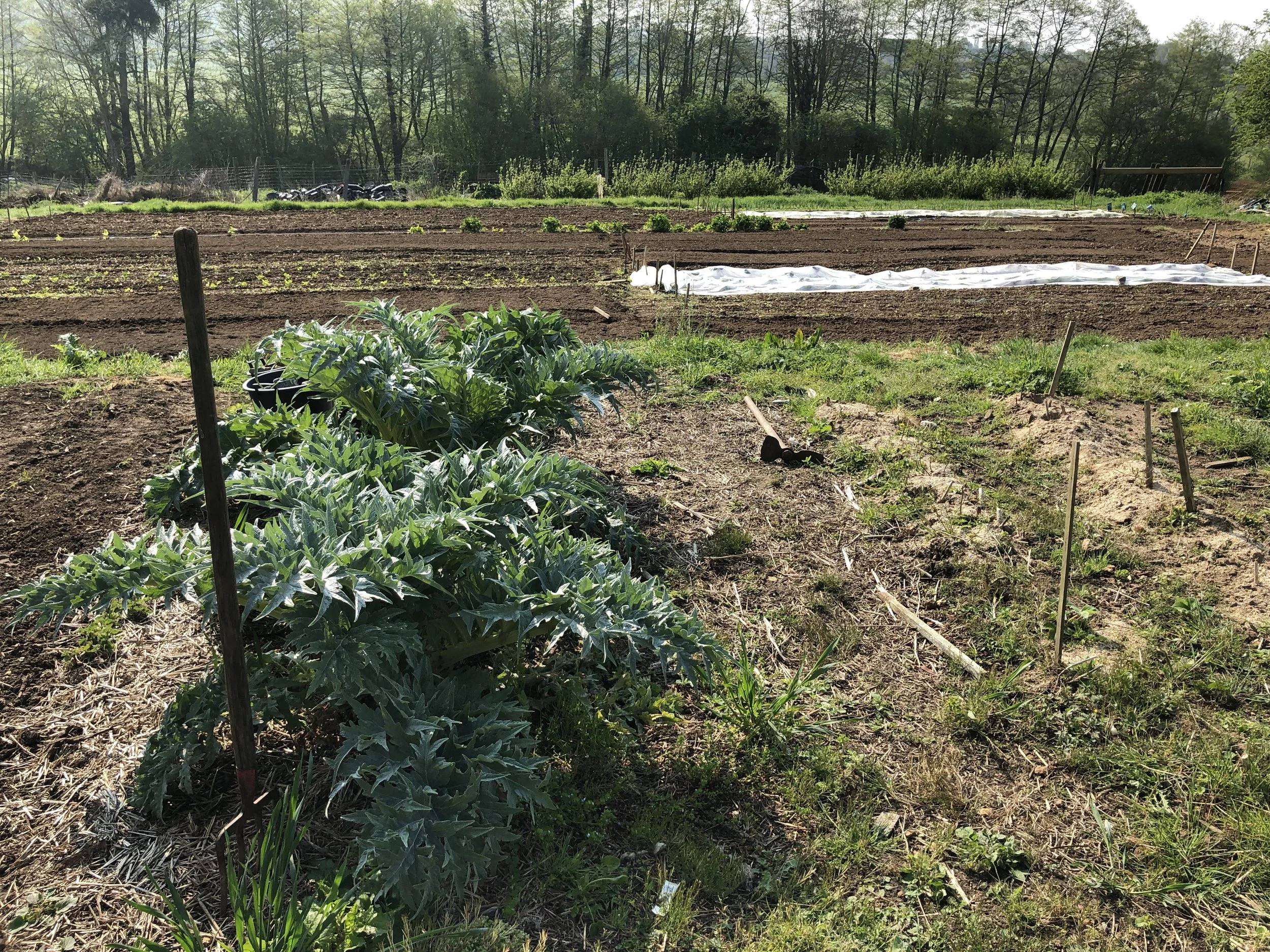
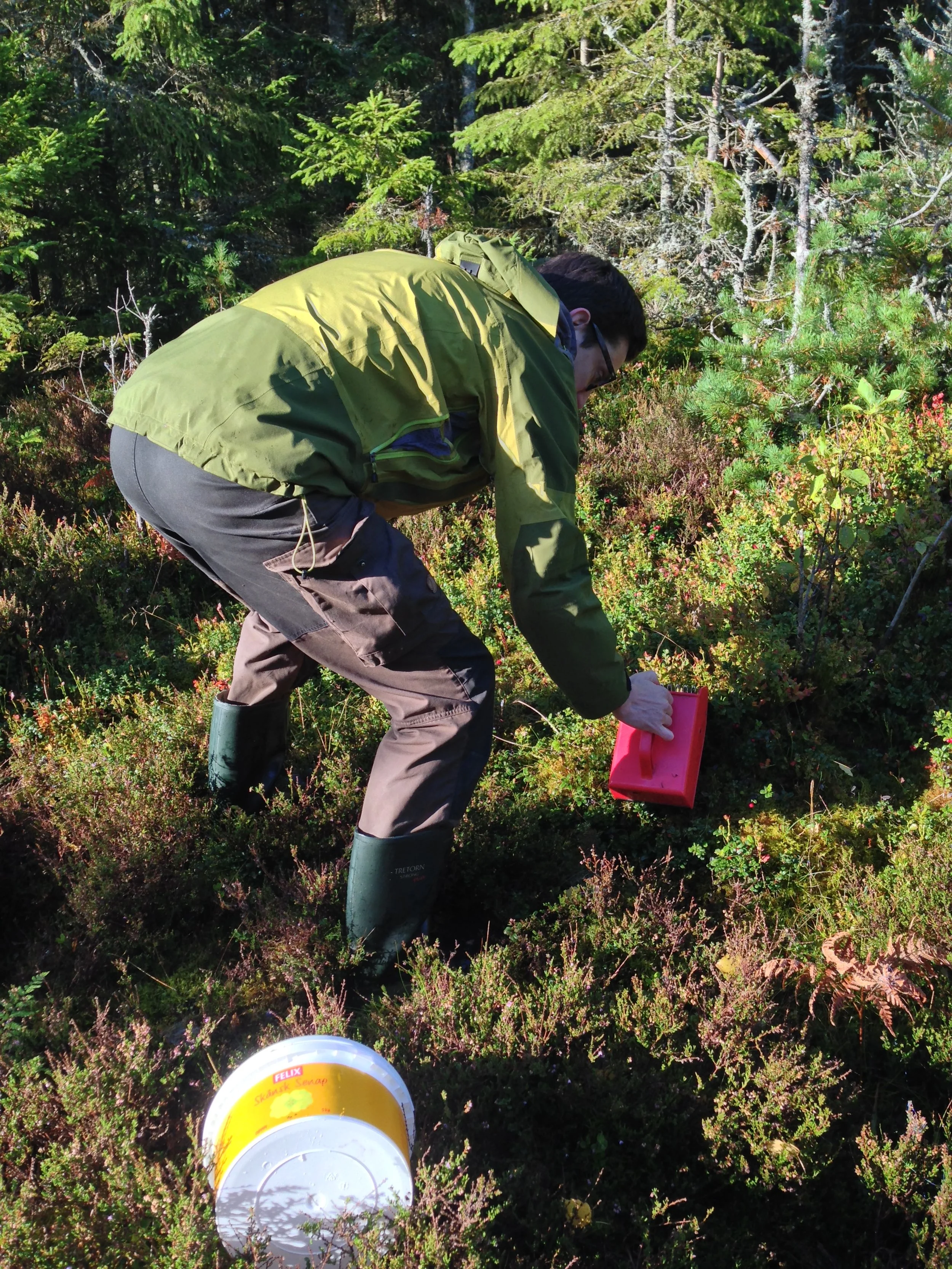
LandLab is rooted in lived practice, not distant environmental rhetoric. Years on a farm reveal truths that no theoretical framework can teach: how weather dictates mood and yield; how animals reshape landscapes; how a drought transforms daily life; how quickly soil degrades and how slowly it rebuilds; how food production involves cooperation with forces far larger than human intention. Working with land cultivates patience, humility, and an intimate relationship with uncertainty.
These experiences form the backbone of our approach: the understanding that regeneration requires time, attention, community, and continuous adaptation. It also requires confronting the political realities of land access, ownership, rural economies, migration, water rights, and ecological decline. Land is never neutral. It is always entangled with culture and power.
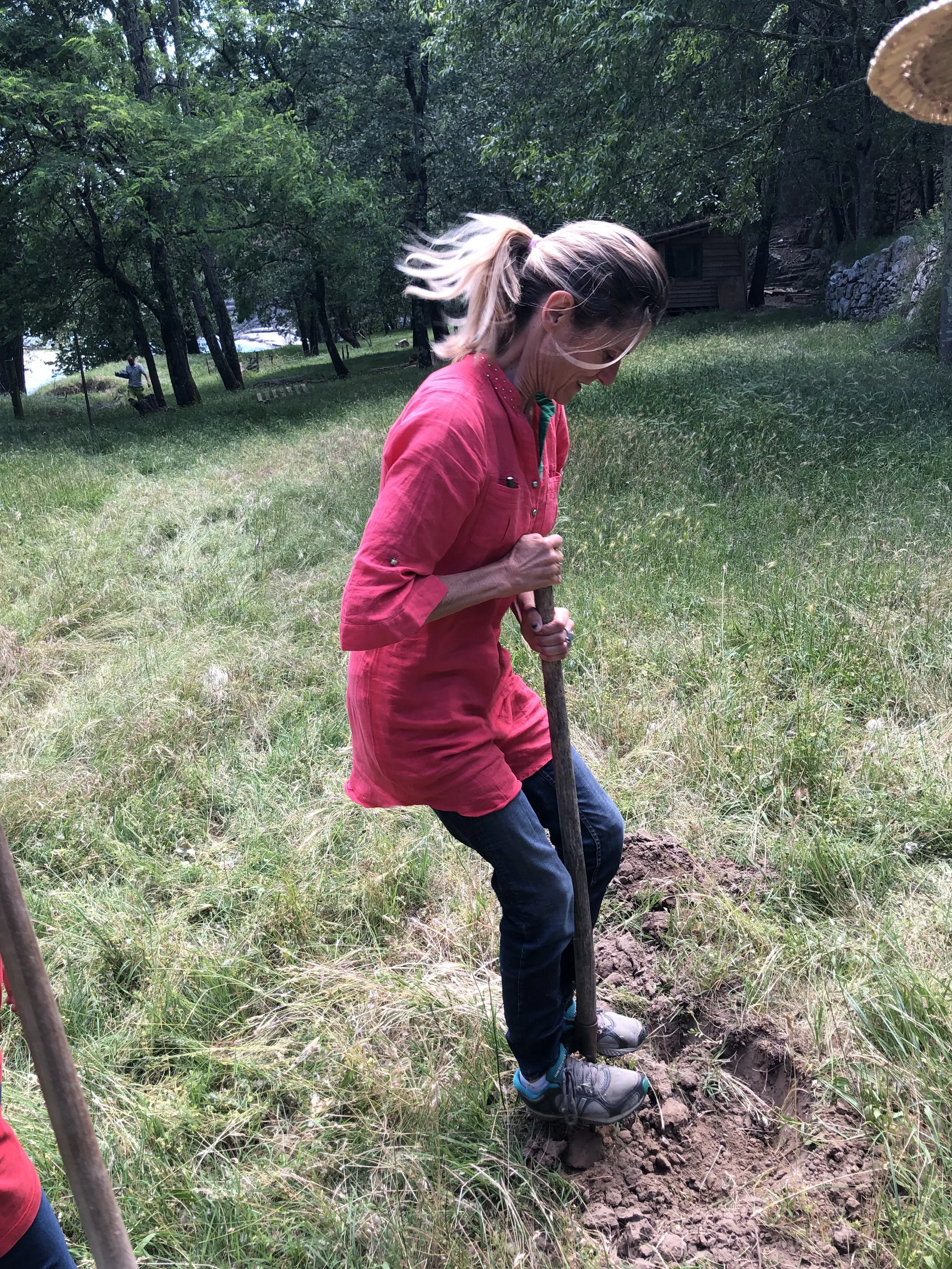
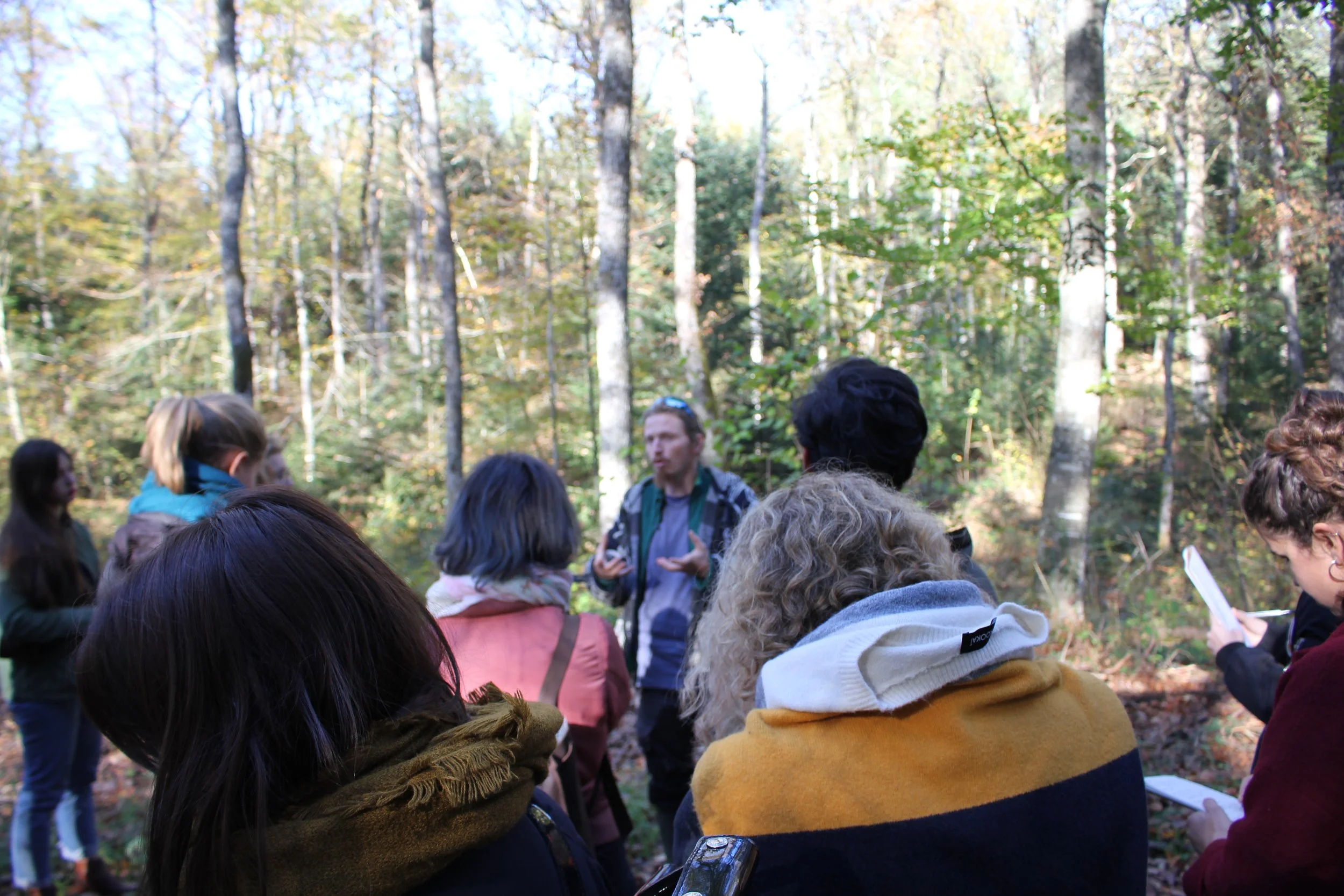
Invite LandLab to design hands-on workshops based on real agricultural and ecological practice

Regenerative Ecological Projects
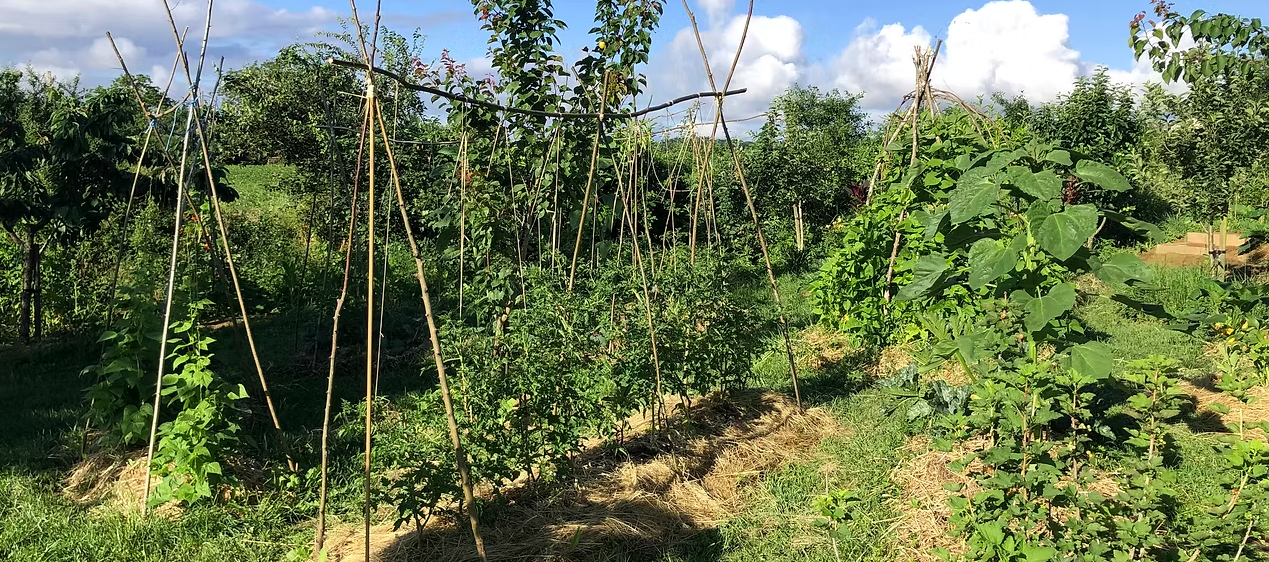
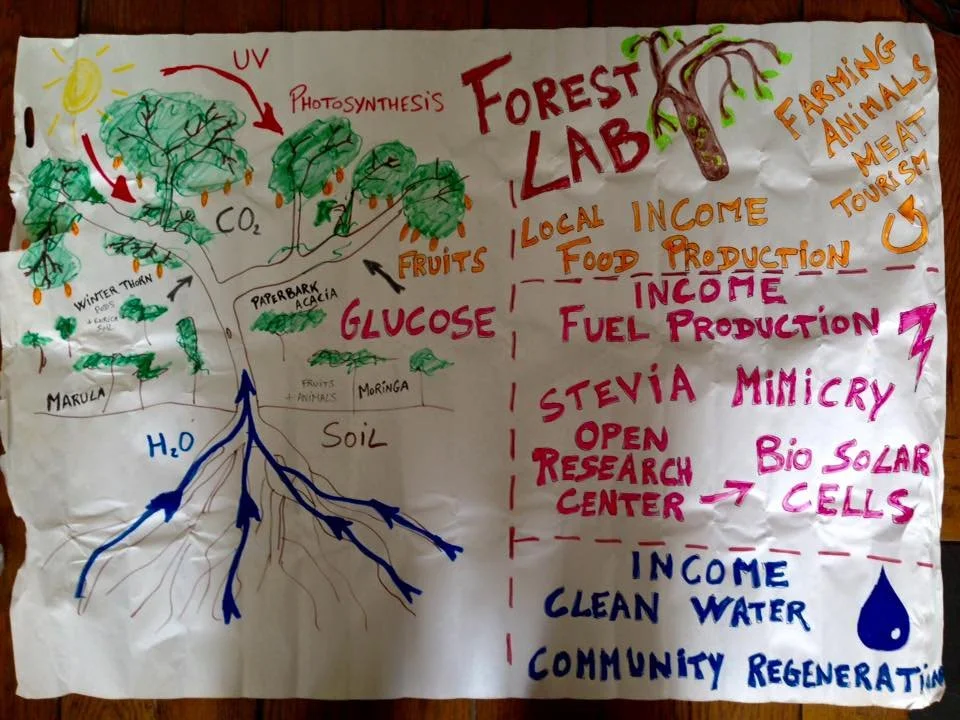
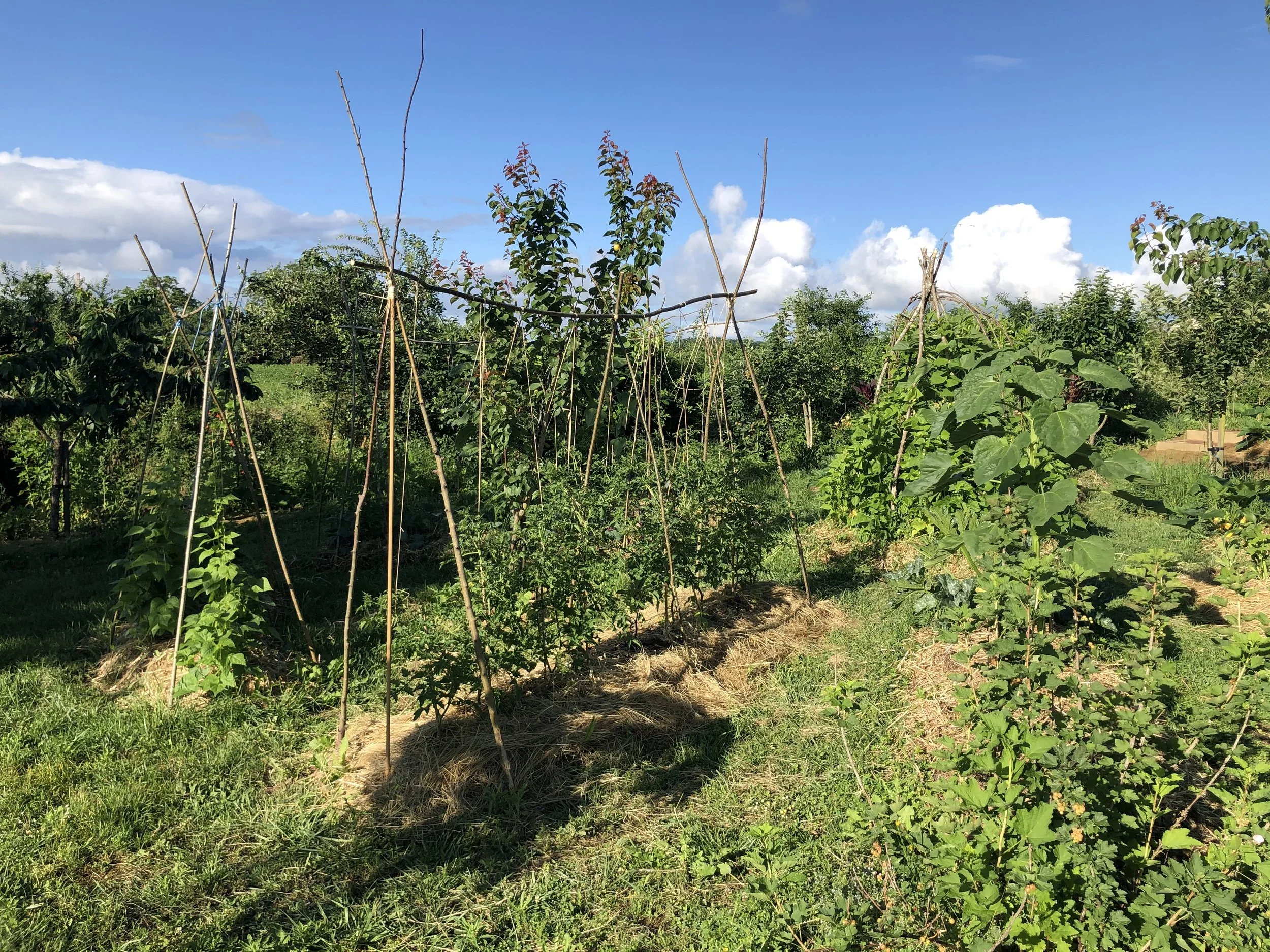
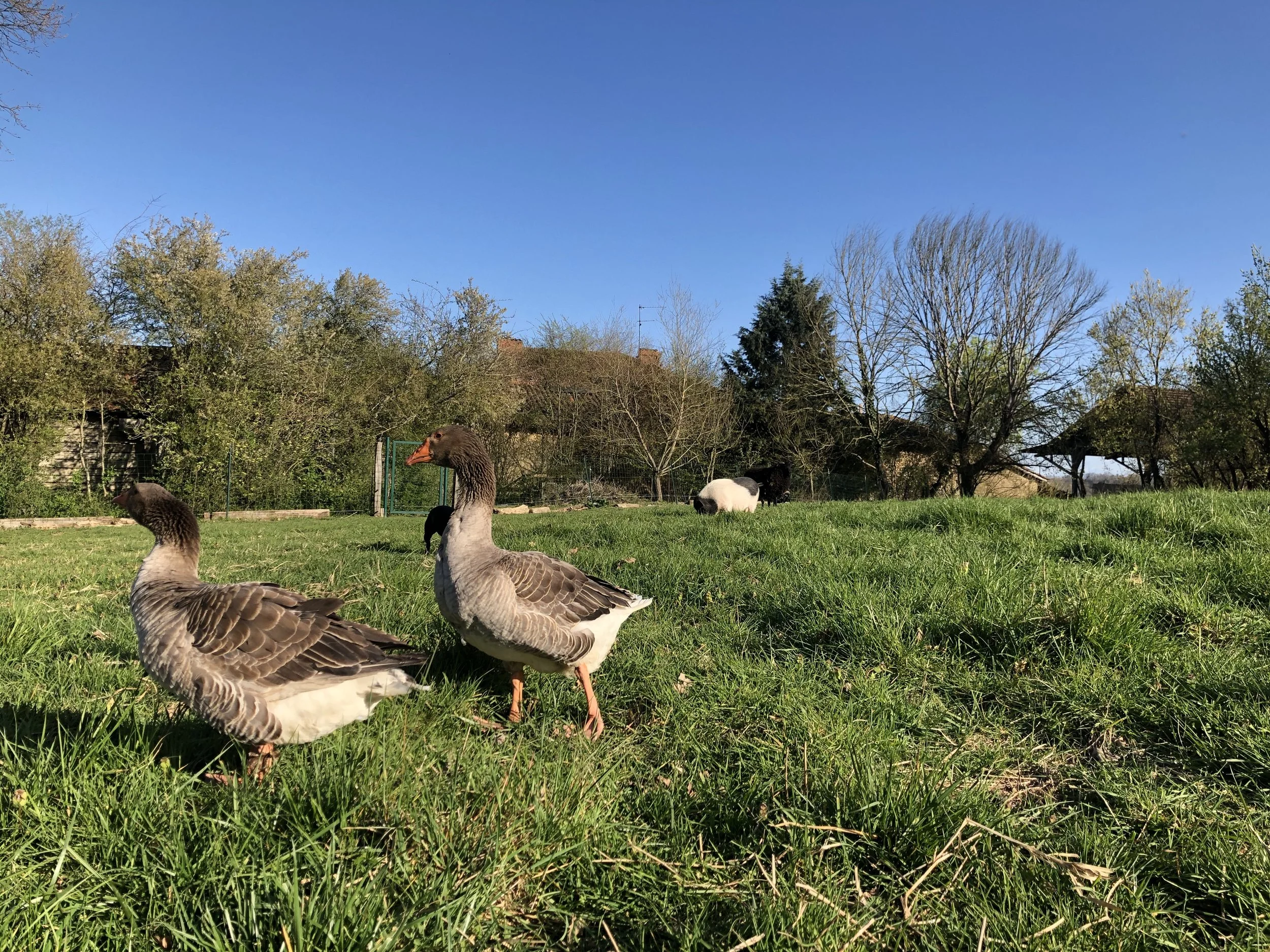
Regeneration is not a slogan; it is a design discipline. Land Lab creates landscape plans that combine permaculture zoning, agro-ecological techniques, native species selection, soil restoration, and water management. These designs aim to rebuild productivity while increasing biodiversity and resilience. Regenerative design respects constraints rather than fighting them: heat becomes a design parameter, slope becomes an asset, scarcity becomes a guide.
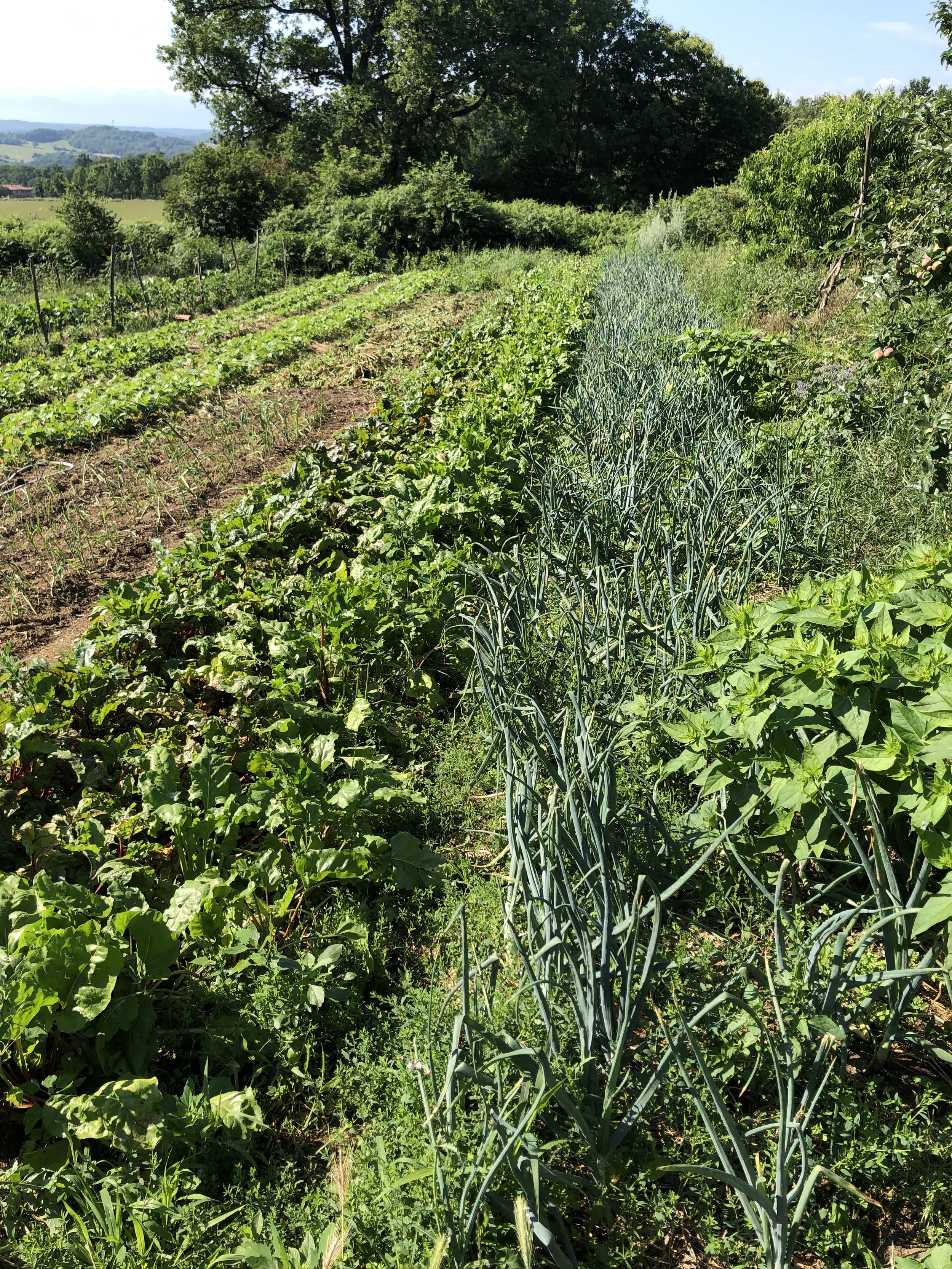
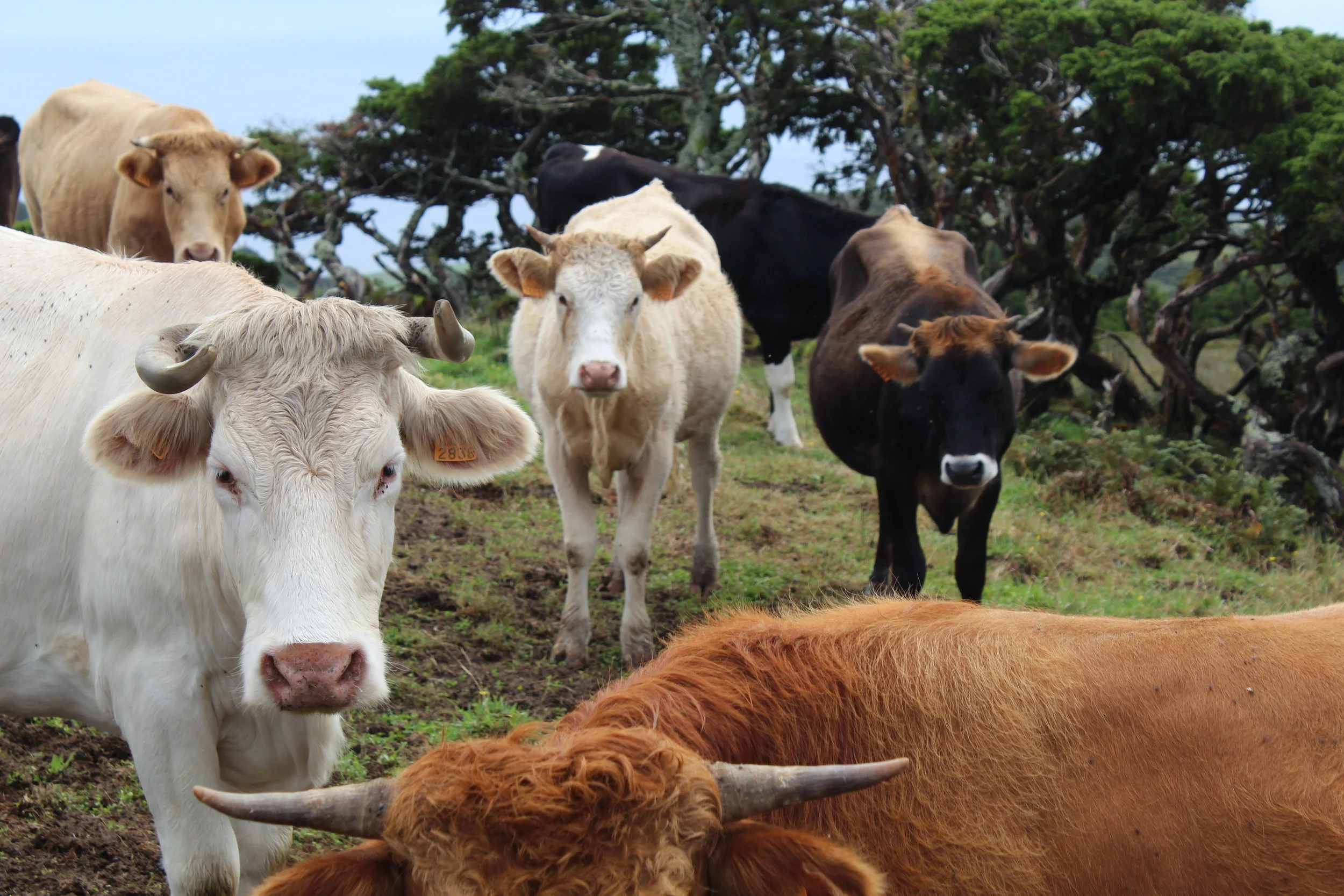
Food forests, silvopasture systems, habitat corridors, swales, terraces, bio-intensive gardens, hedgerows, seed-saving practices, and low-tech water retention structures are explored not as trends but as functional components in a larger ecological strategy. Every intervention responds to what the land already wants to do.
Work with LandLab on regenerative design for farms, homesteads, estates, or ecological projects
Regenerative Residencies
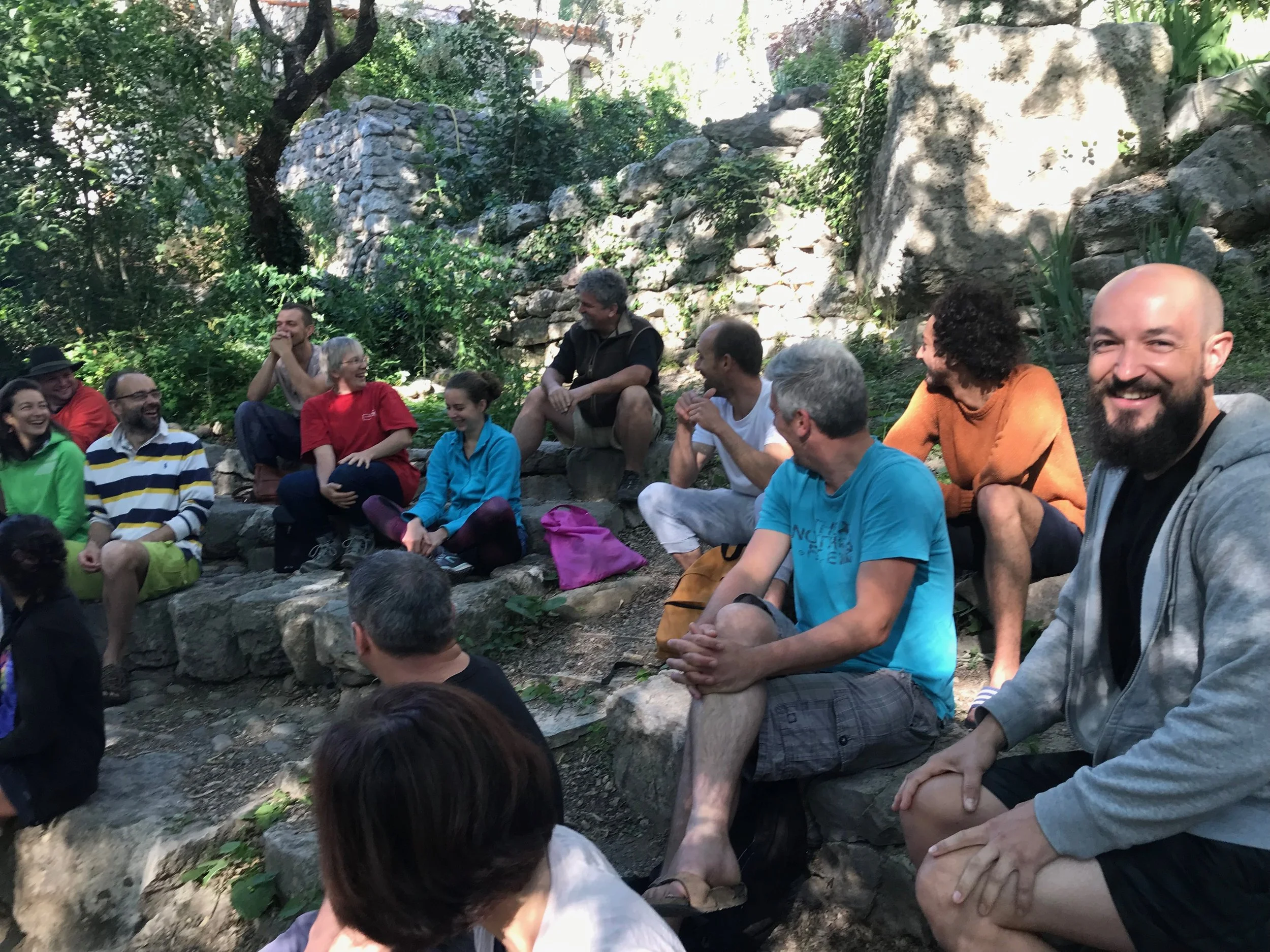
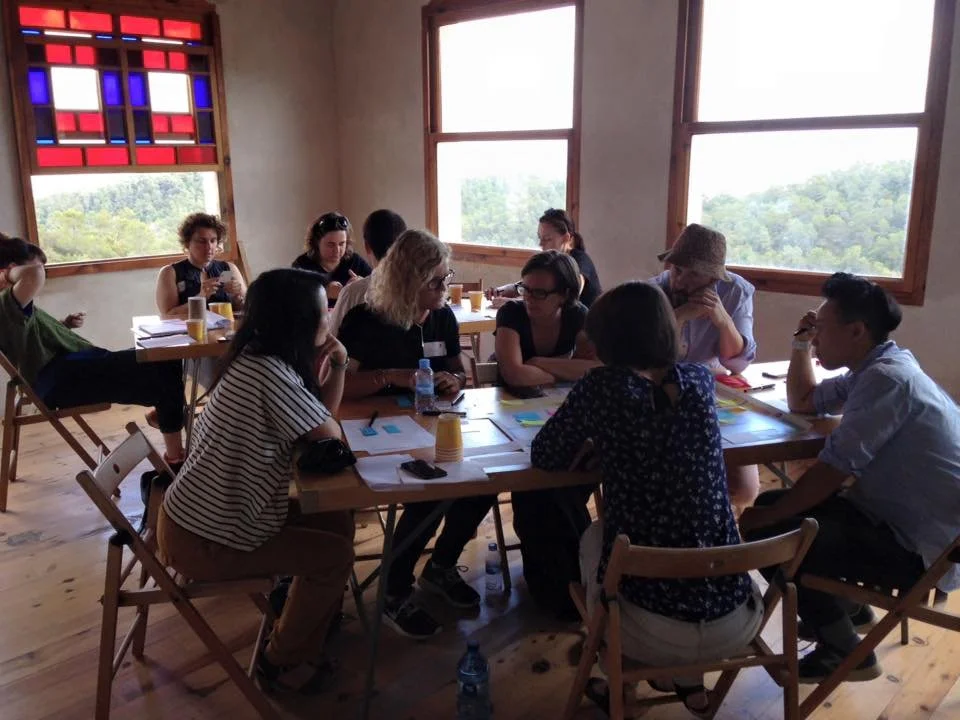
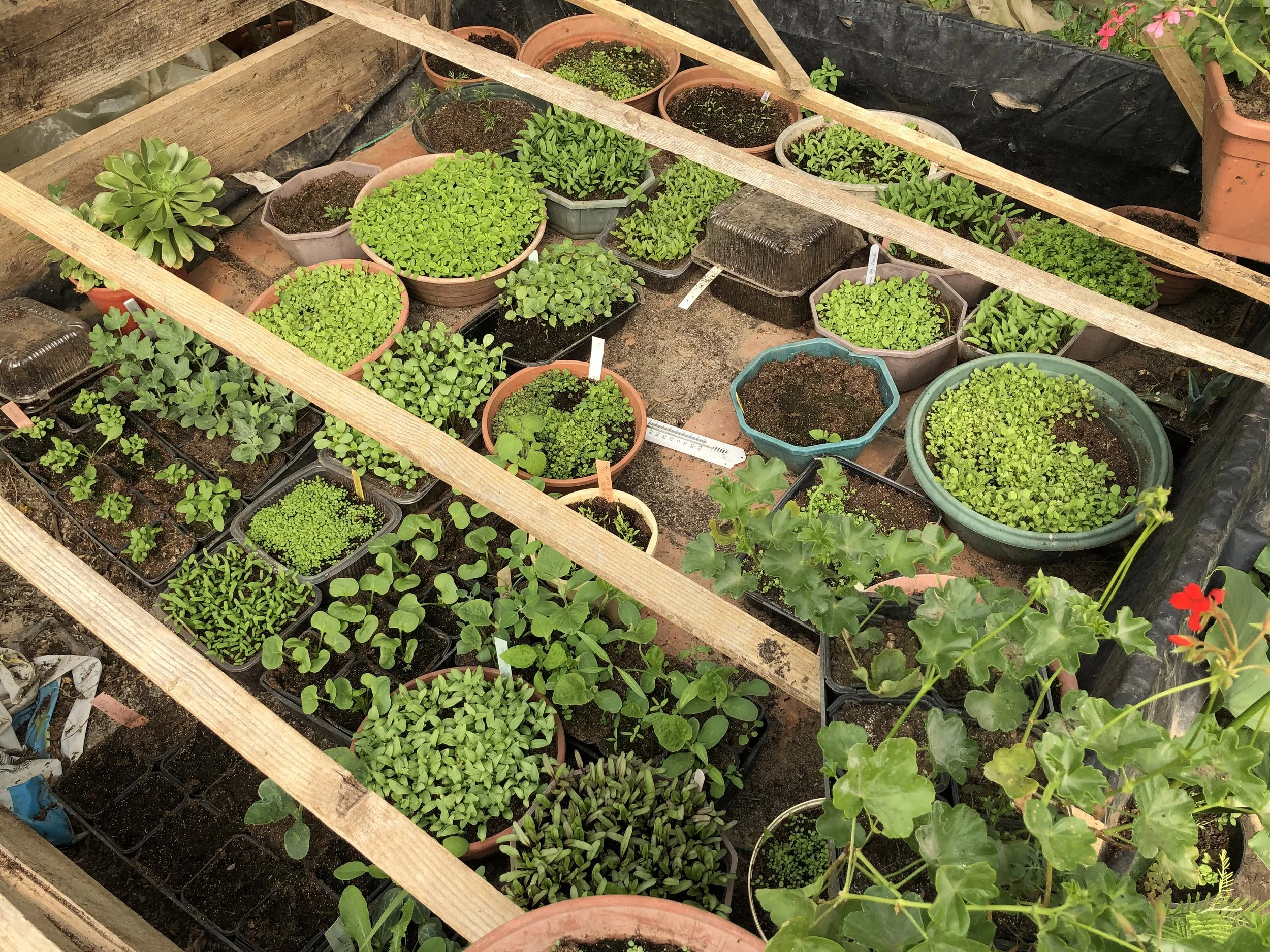
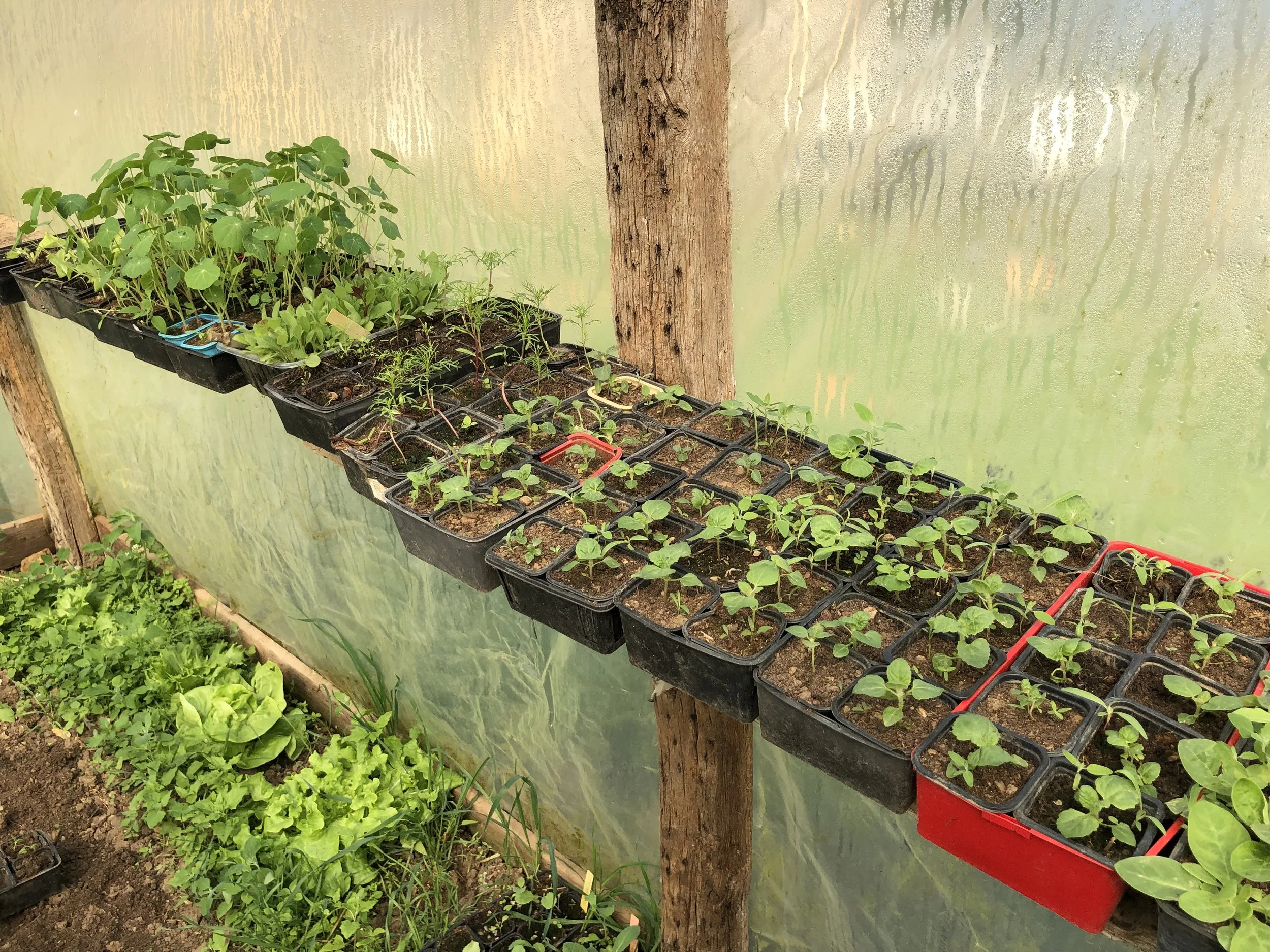
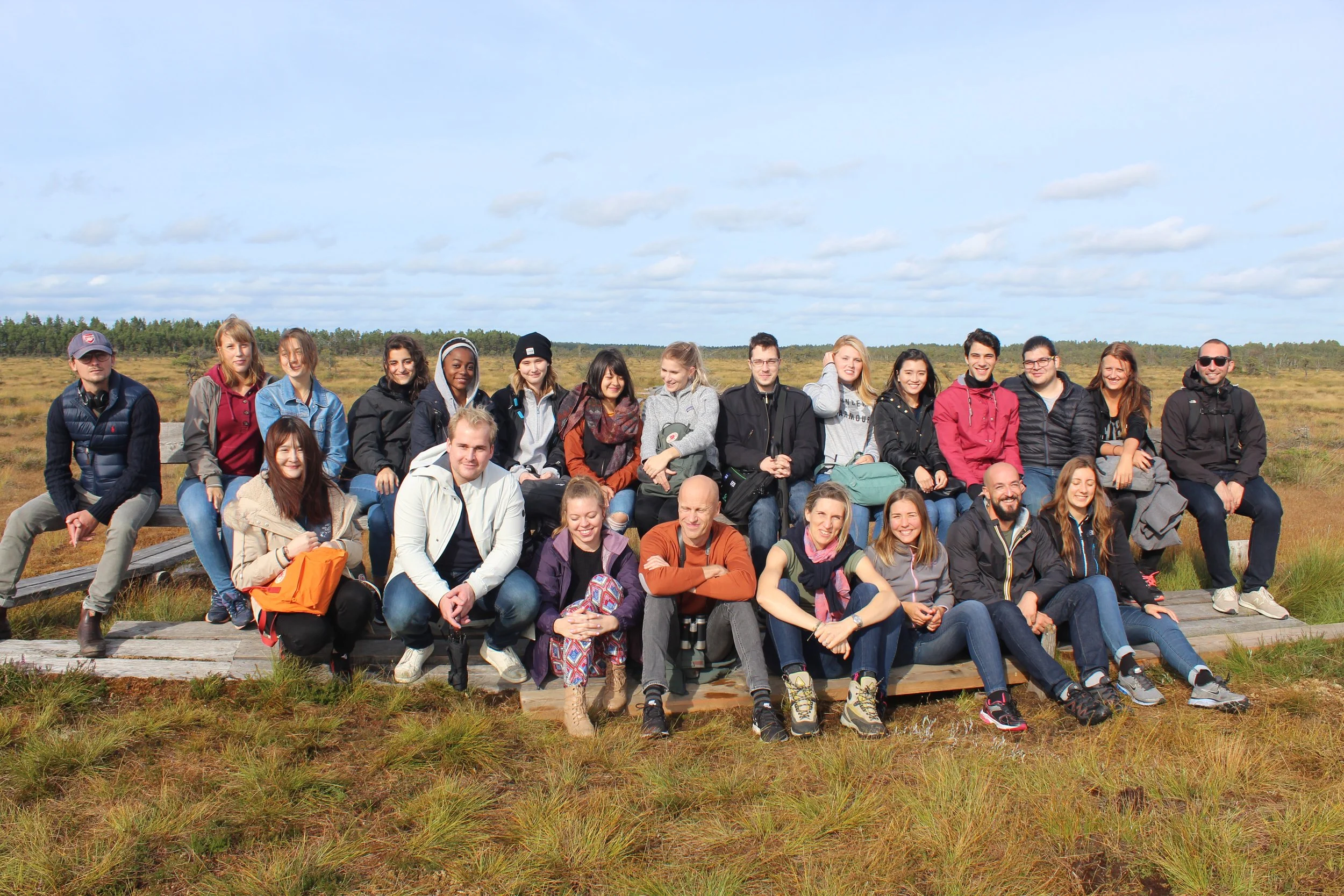
LandLab offers immersive programs ranging from weekend to multi-week residencies. Participants learn soil literacy, watershed reading, planting strategies, seasonal planning, ecological monitoring, and low-tech land stewardship techniques. These experiences integrate permaculture design, ecological observation, agricultural practice, and systems thinking to build a holistic understanding of landscape regeneration.
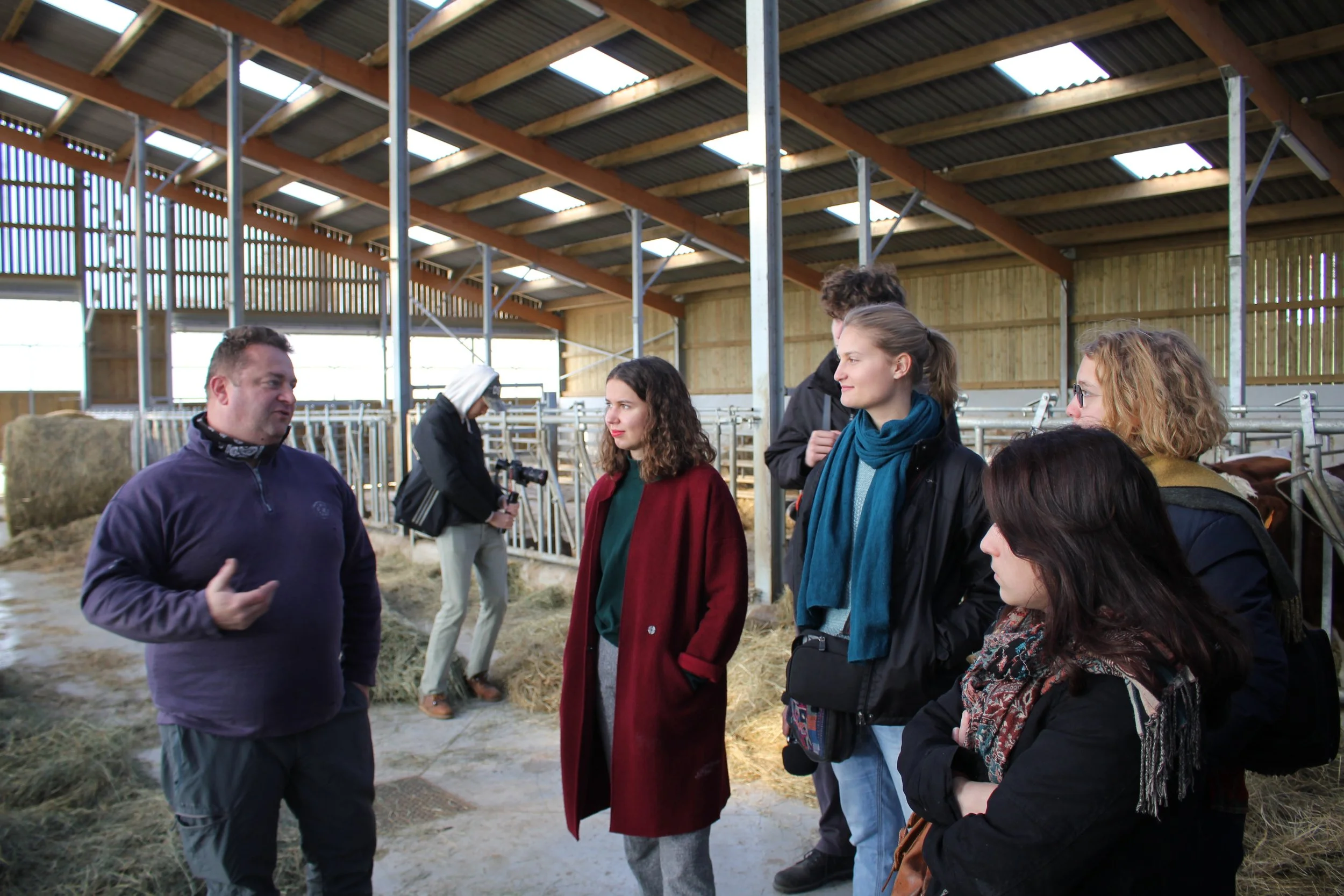
For organizations, LandLab hosts on-site retreats where teams work directly with land — learning collaboration, sensing, collective decision-making, and the reality of constraints in ways that no boardroom exercise can replicate.
Host a LandLab Regenerative Residency focused on ecological literacy, regenerative practice and collective intelligence

The Mediterranean Living Lab
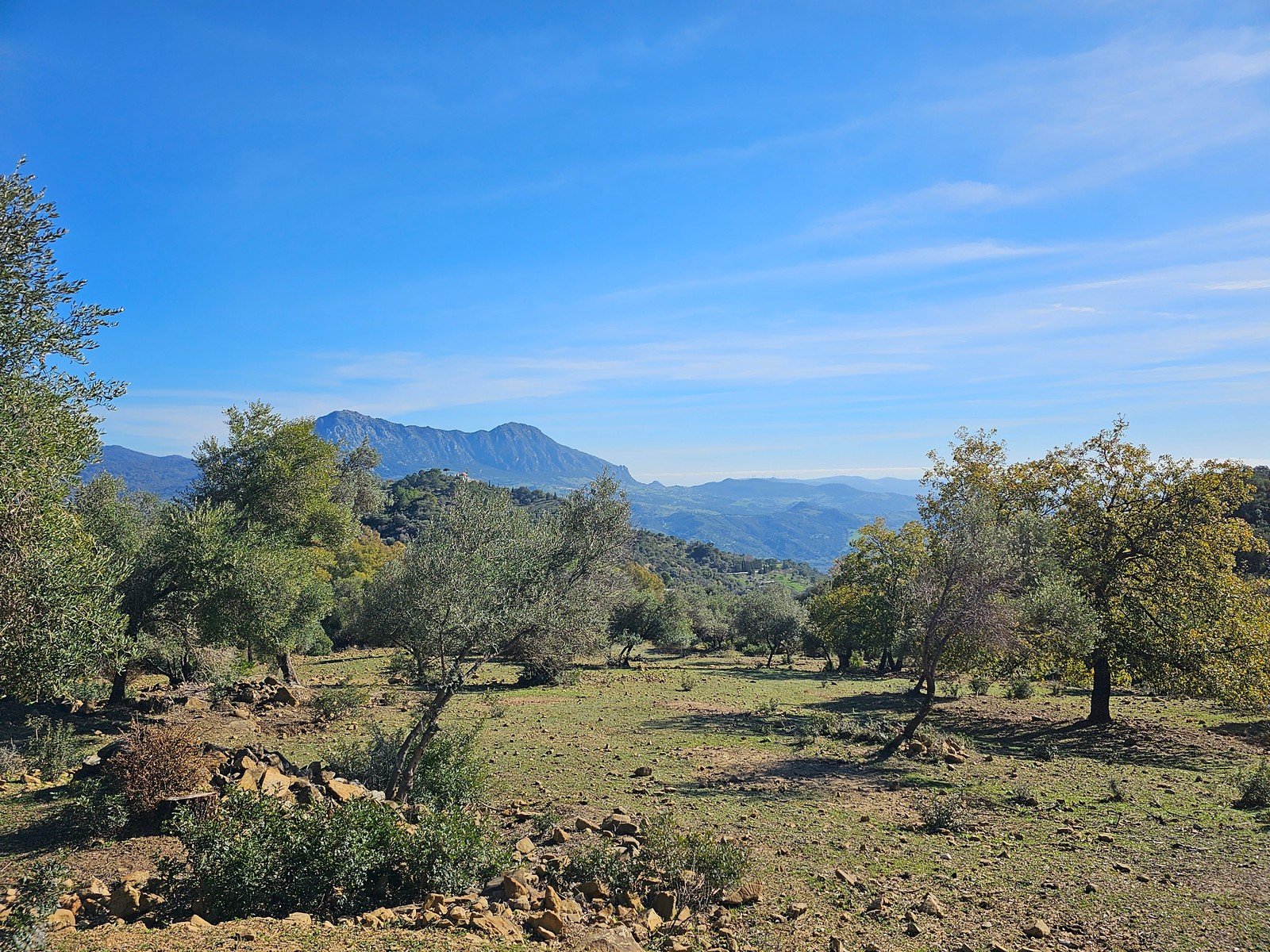
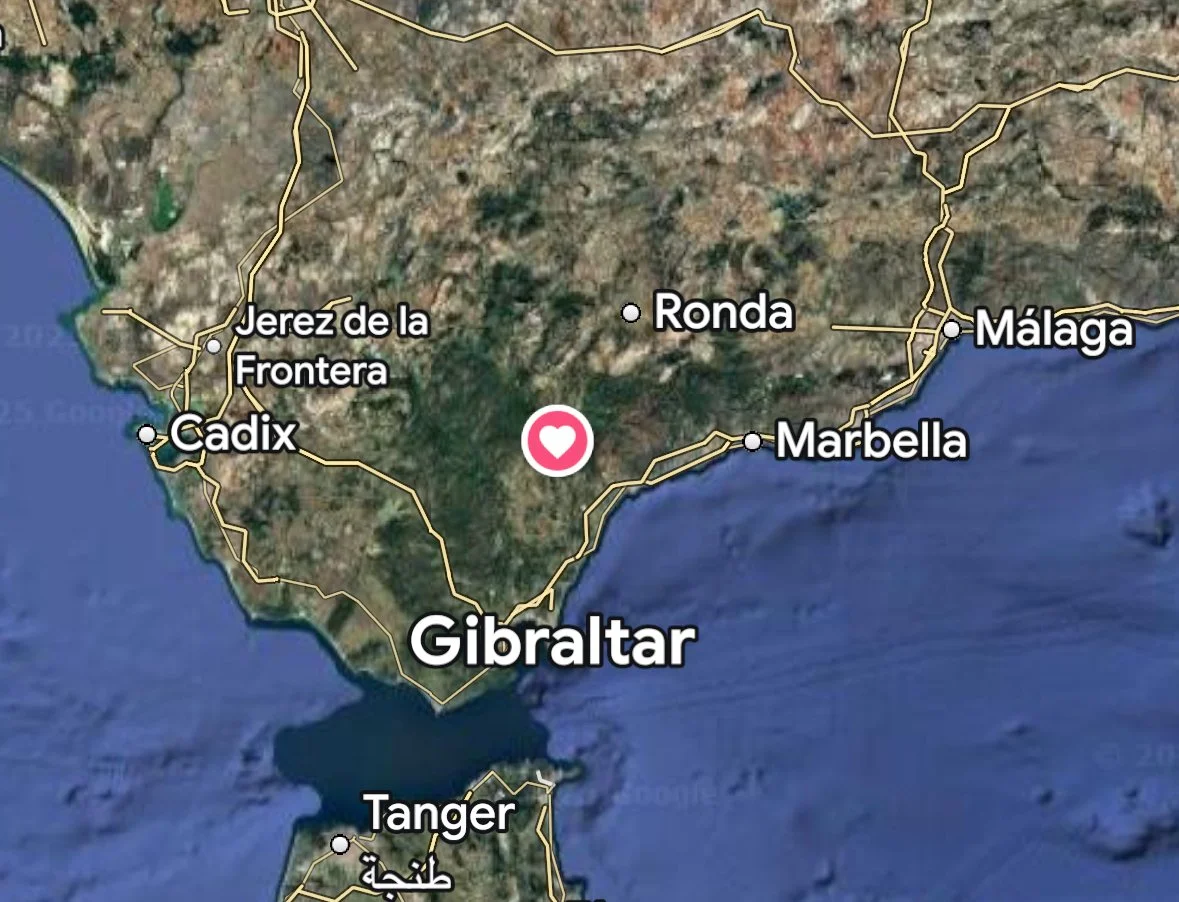
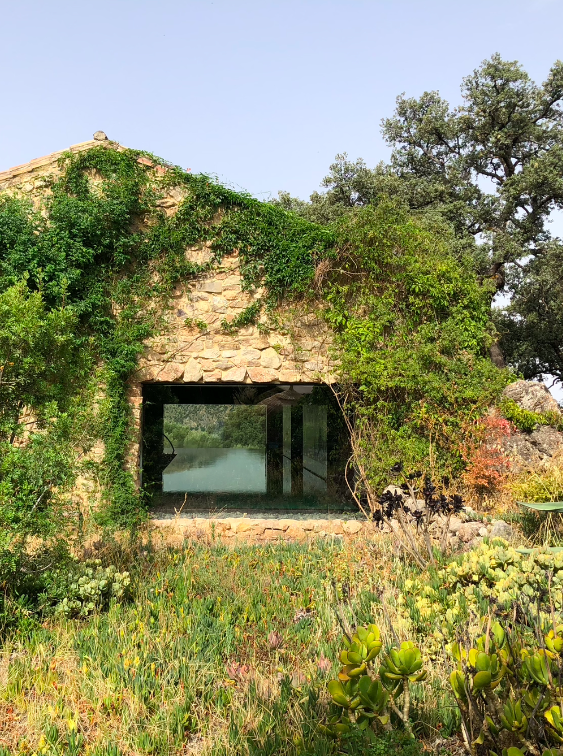
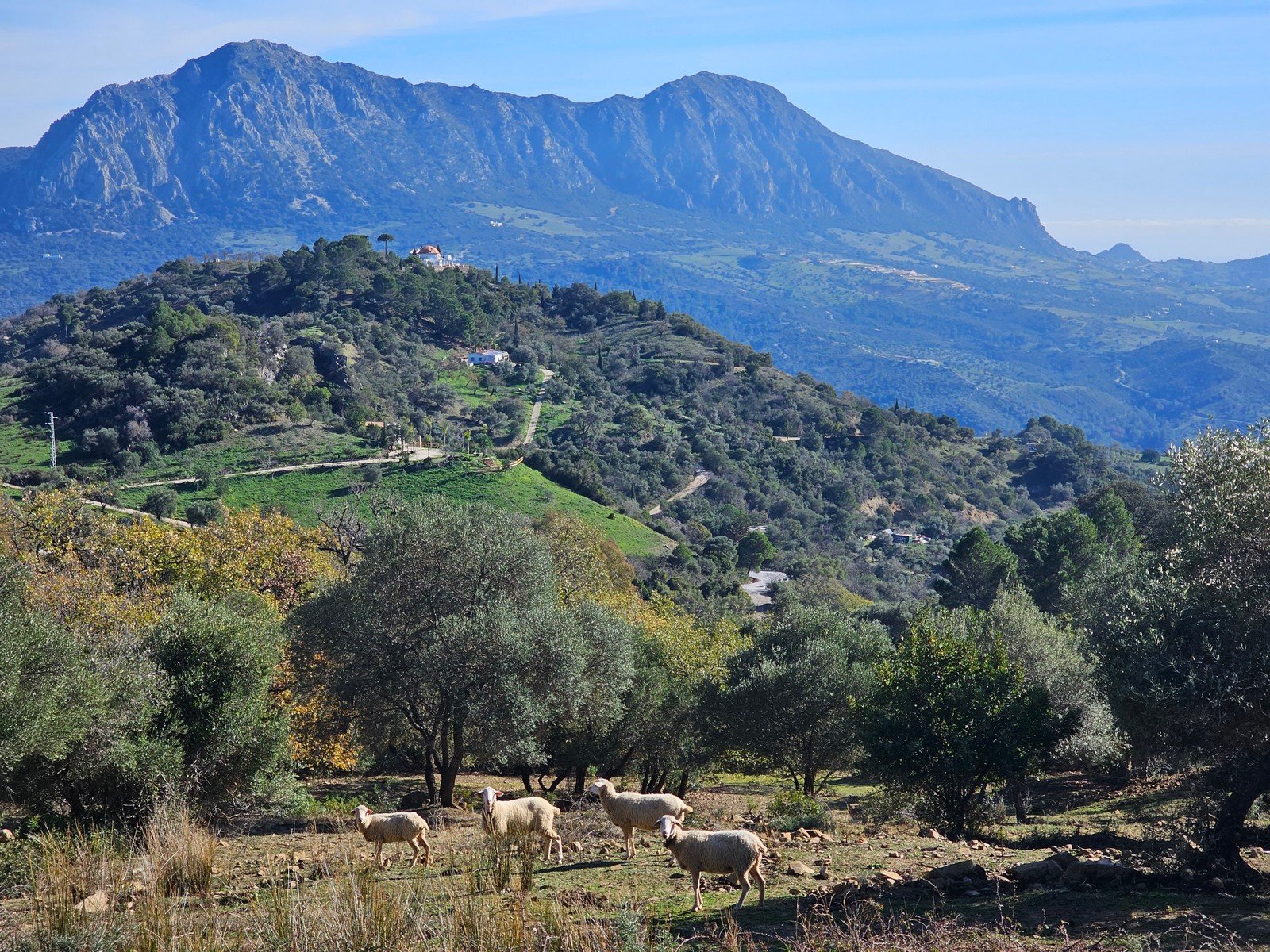
A long-term vision is taking shape: a Living LandLab in Andalucía, designed as an open space for regenerative experimentation, community learning, ecological monitoring, and low-tech innovation. The site will host resident researchers, artists, designers, farmers and activists working at the intersection of ecology, culture and future resilience. It will serve as a prototype for bioregional regeneration: small-scale, deeply contextual, and replicable.
The purpose is simple: to rebuild practical knowledge for a century in which land degradation, water scarcity, climate extremes, and food system fragility will define the conditions of life. This Living Lab is both a personal project and a collective invitation.
If you wish to collaborate on this emerging project, please reach out for research, prototyping, partnerships, and regenerative planning