NatureLab
Reconnecting with the living world.
NatureLab explores the intelligence of the natural world — biochemical, behavioural, ecological, evolutionary, and cultural — not as scenery, but as a set of adaptive systems honed by 3.8 billion years of evolution. This Lab studies how organisms think and solve problems, how ecosystems negotiate uncertainty, and how life collectively maintains resilience under constant pressure.
It combines biomimicry, ecology, permaculture, field observation, anthropology, systems thinking and experiential learning. This Lab is the basis for all the others: the natural world is the first teacher, the first strategist, and the original innovation system.

Nature Intelligence Sessions
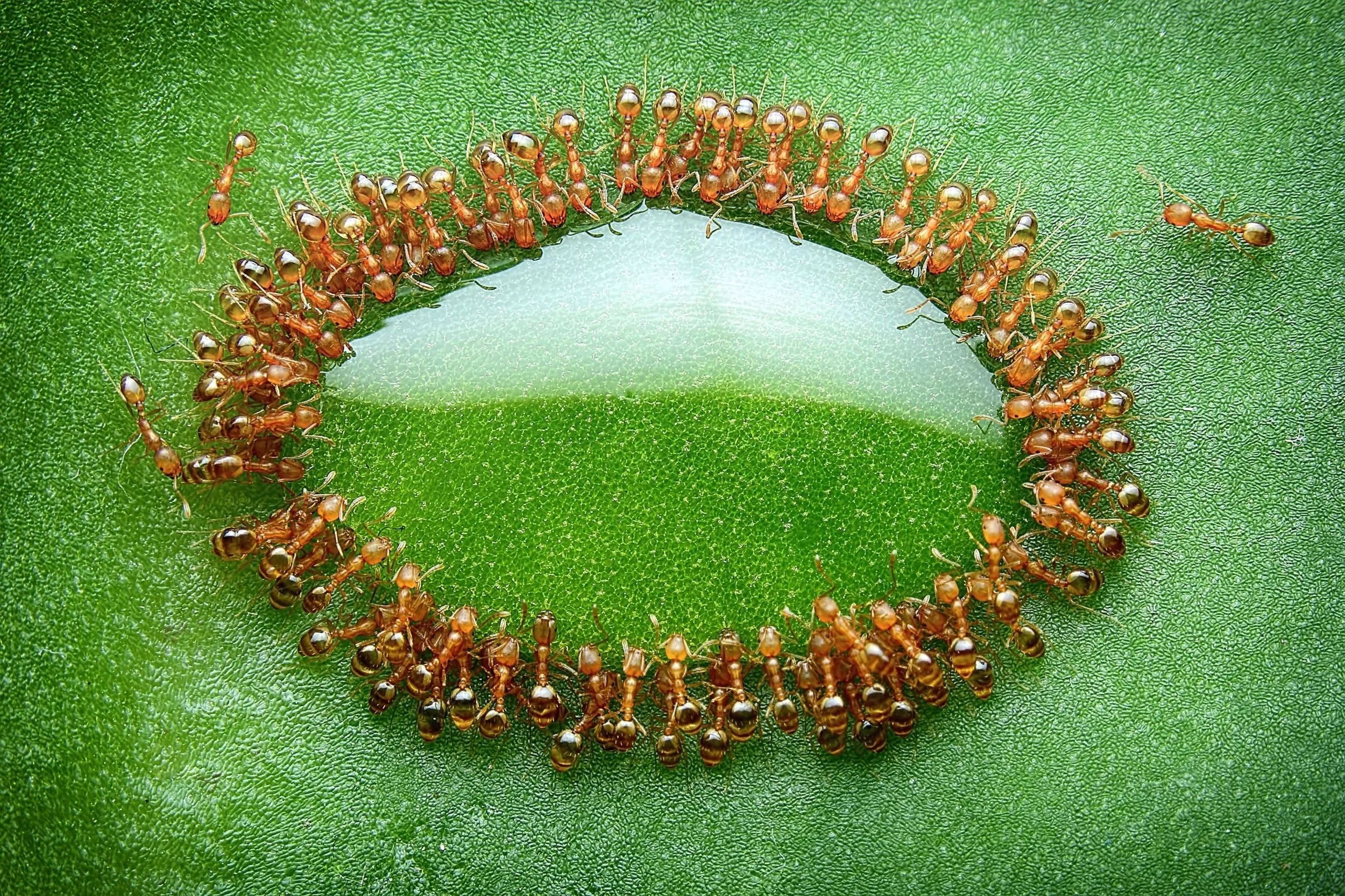
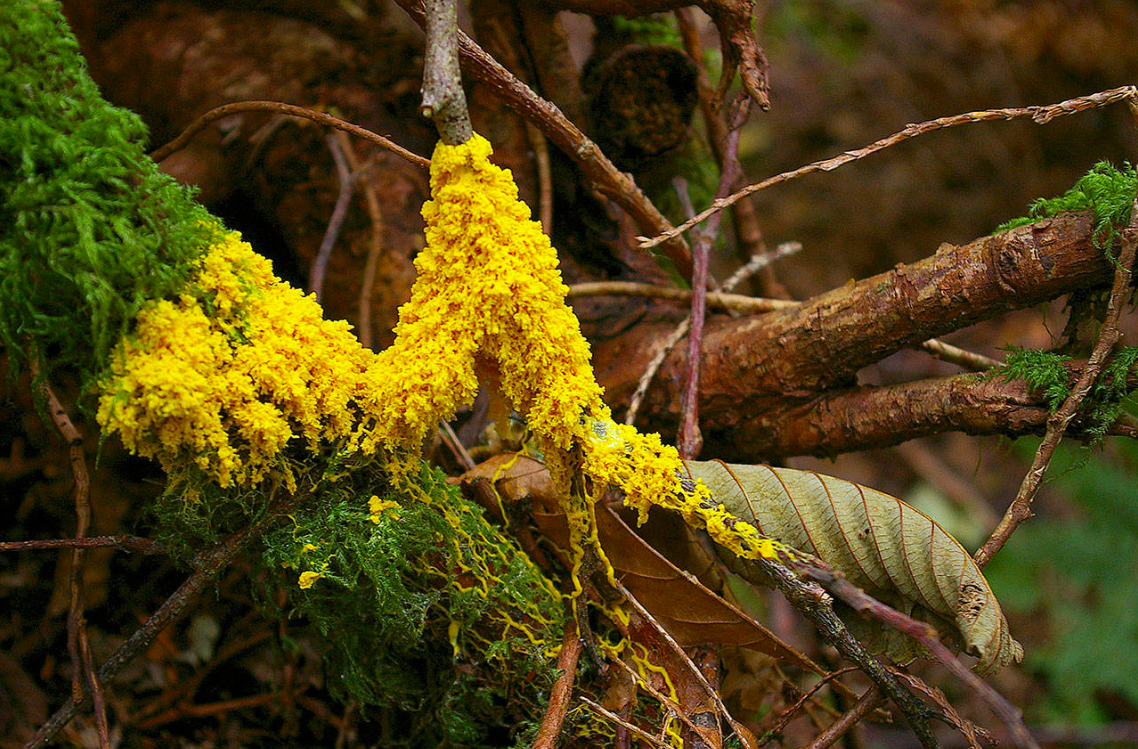
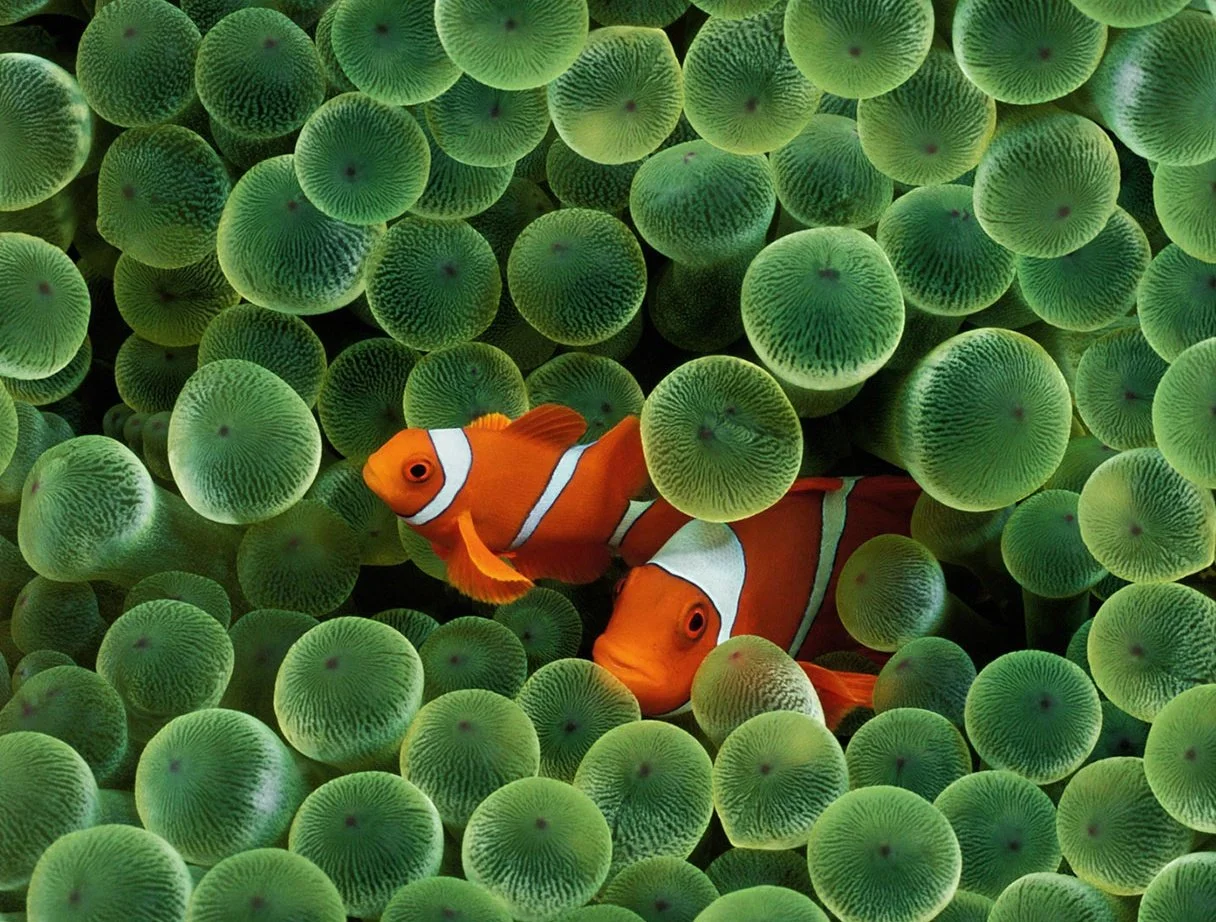
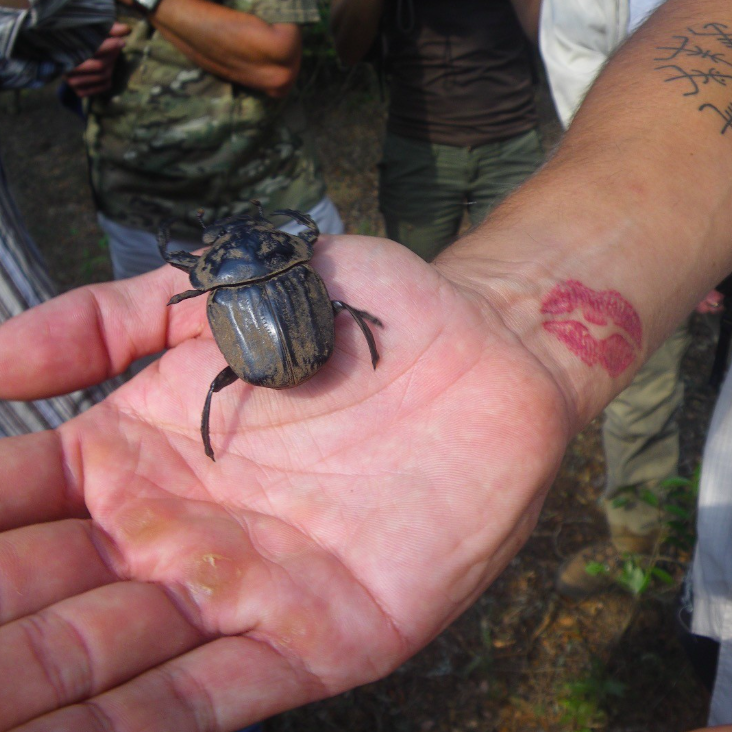
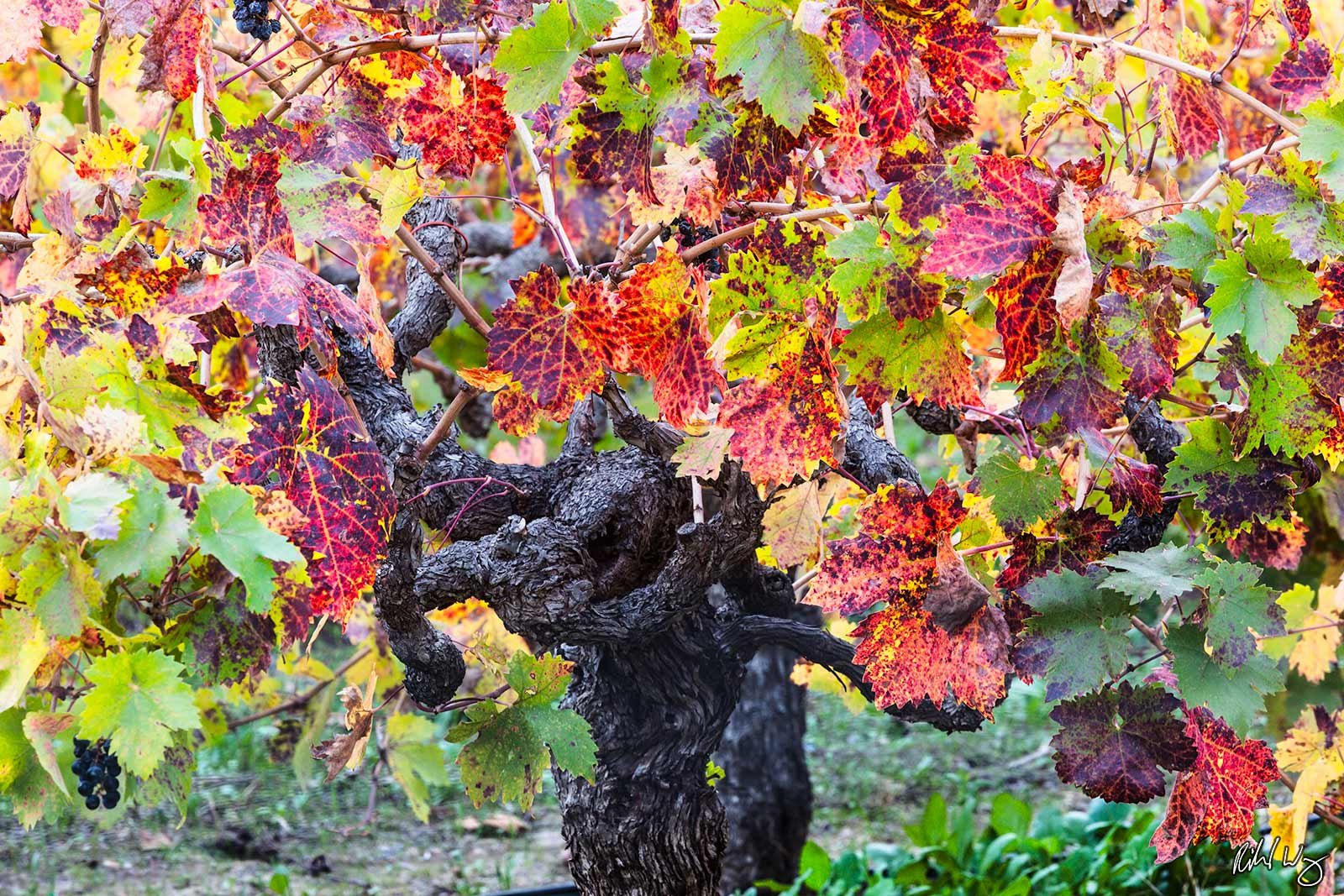
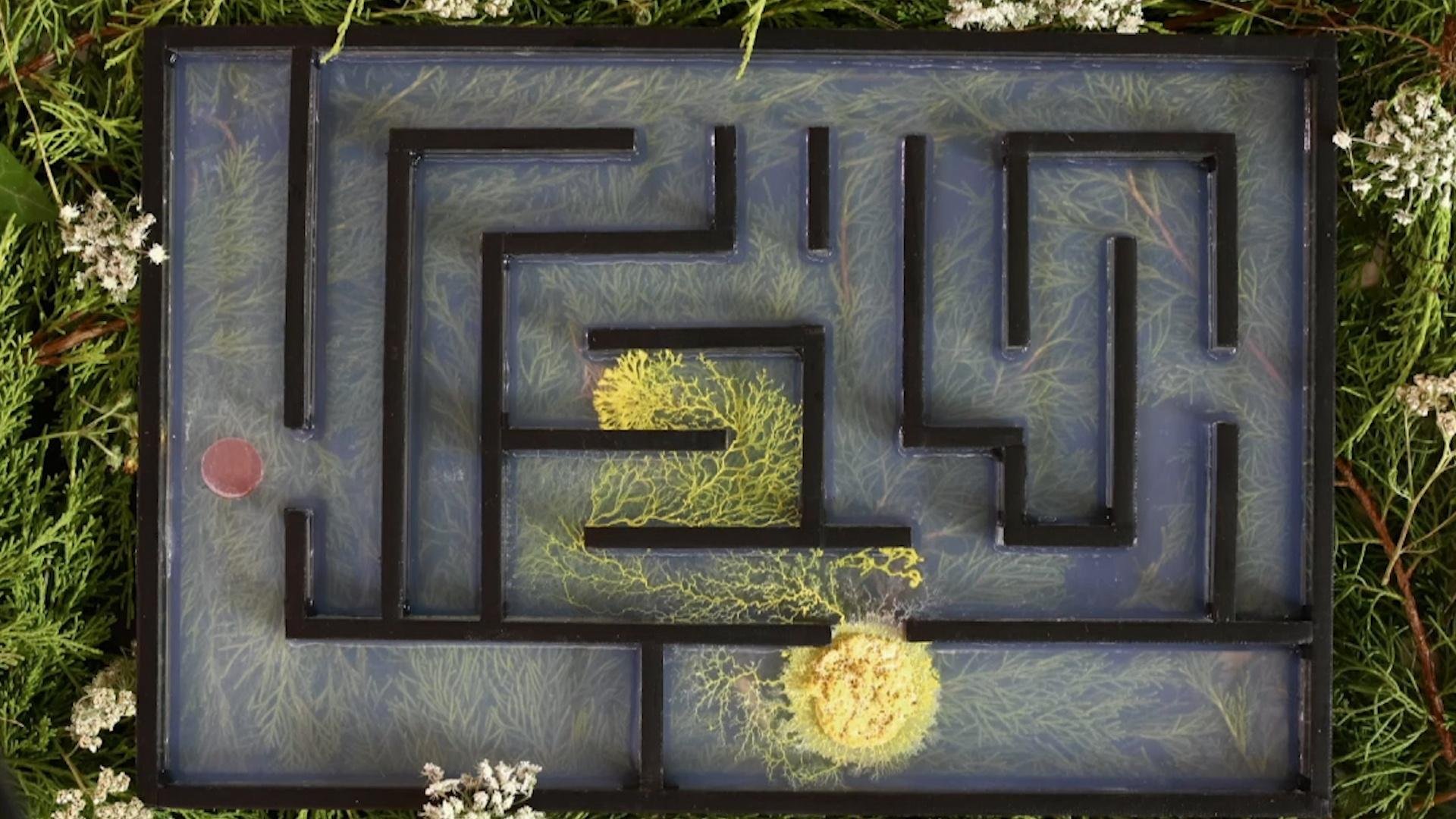
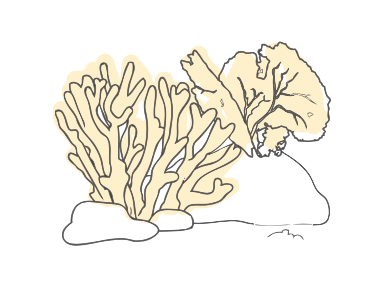
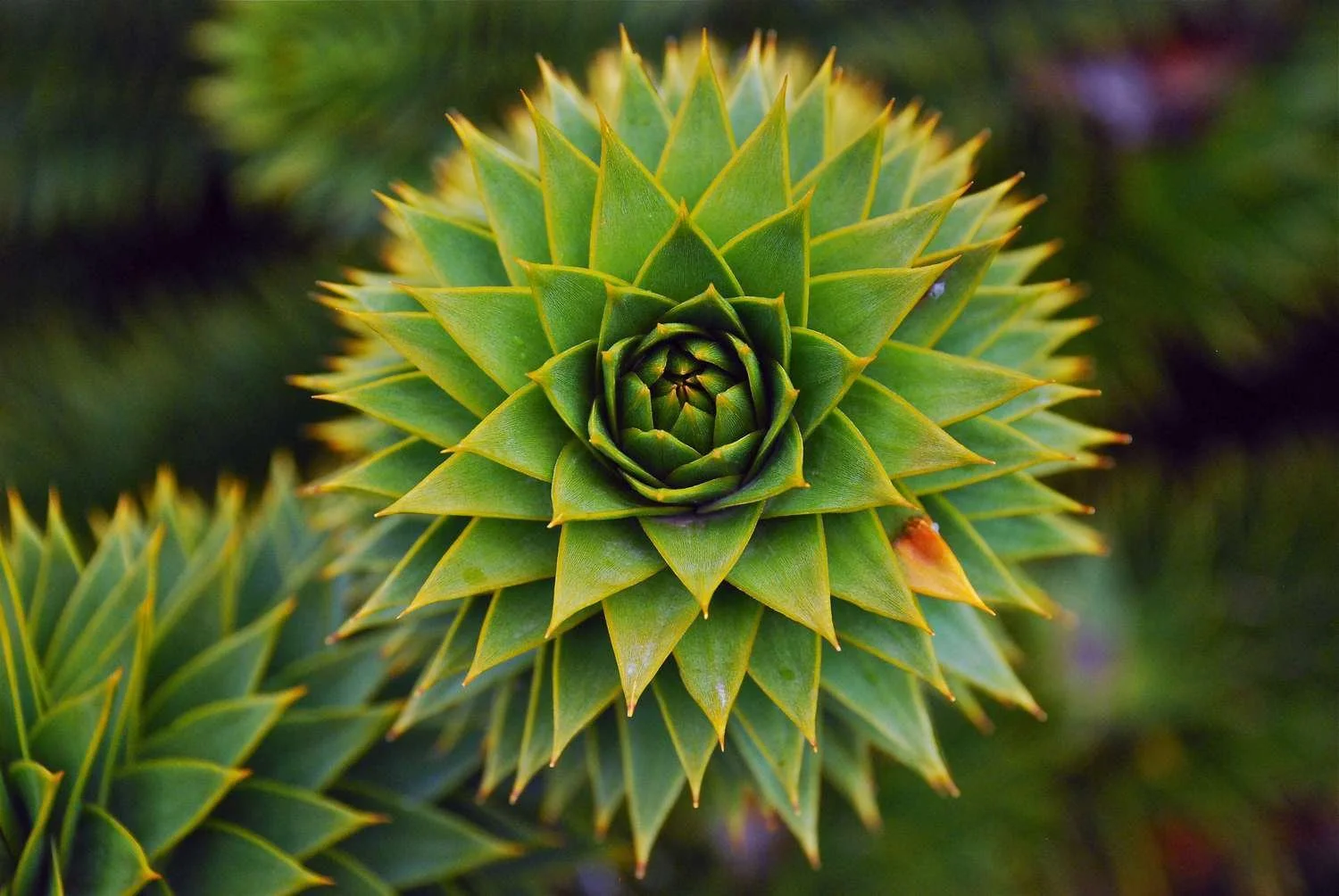
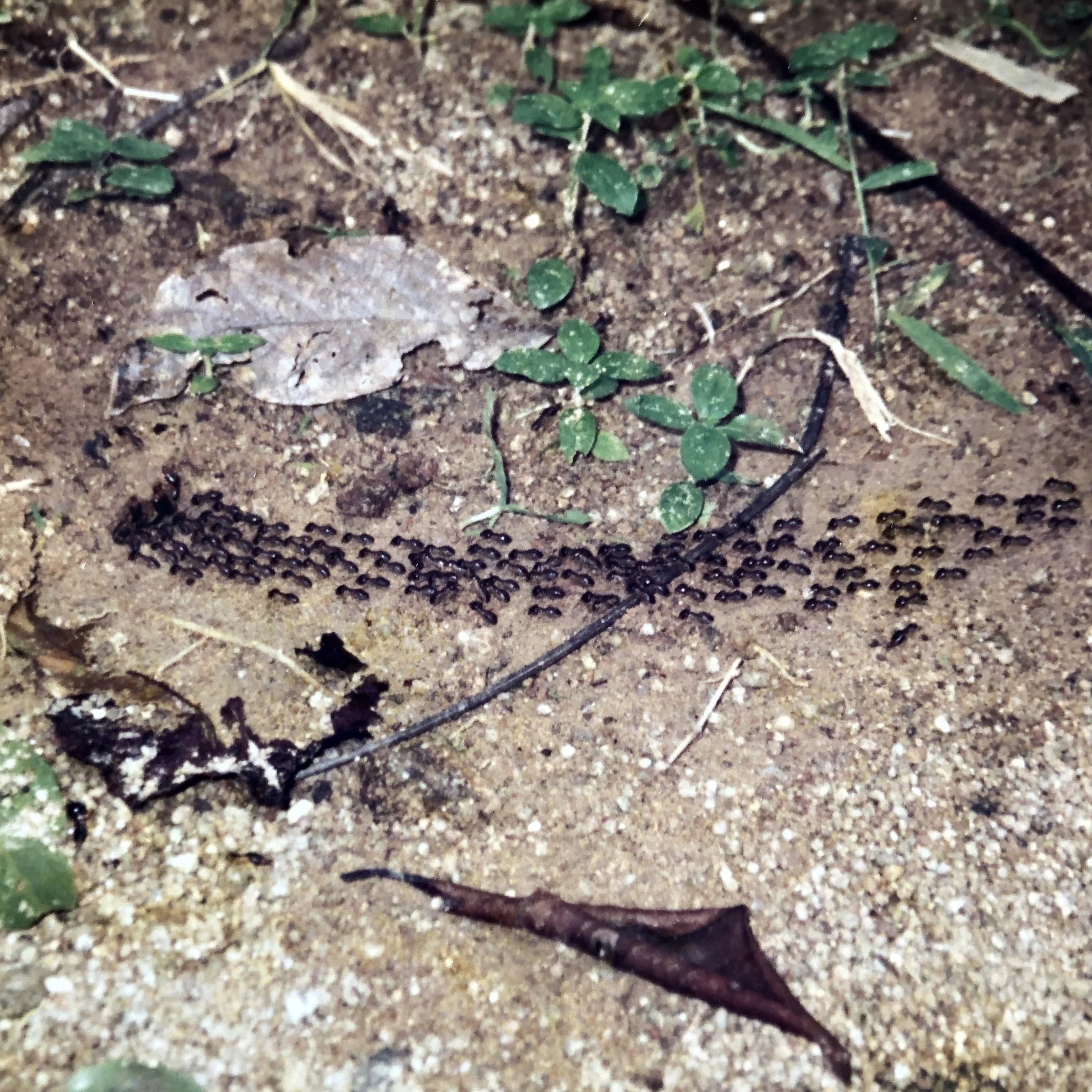
Life does not rely on symbolism or abstraction; it relies on distributed computation. A slime mold maps optimal transport routes by sensing chemical gradients. Cushion plants in the Alps regulate heat loss through micro-scale air pockets. Corals coordinate entire reef ecosystems using biochemical signaling. Plants change gene expression within minutes of stress. Fungi build global-scale metabolic networks. None of this depends on centralized authority; all of it depends on patterns, flows, and feedback.
NatureLab begins with this recognition: living systems hold millions of viable strategies for solving the problems the 21st century will amplify. Observing organisms becomes a method for understanding energy, structure, information, adaptation, and resilience.
We offer Nature Intelligence Sessions organism strategies and ecological logic
Permaculture and Traditional Ecological Knowledge Sessions
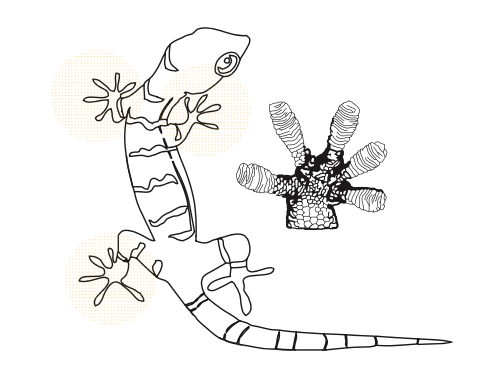
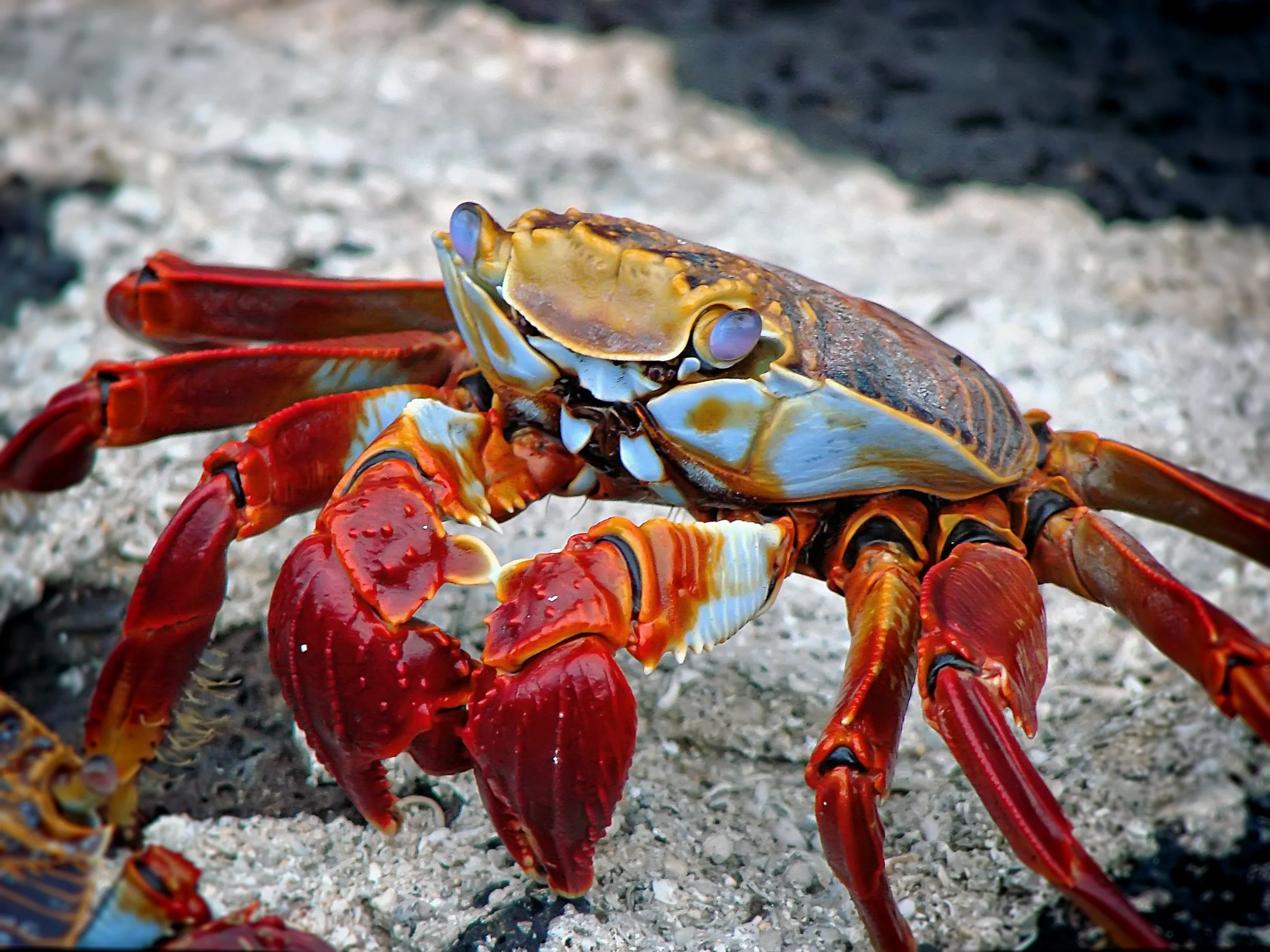
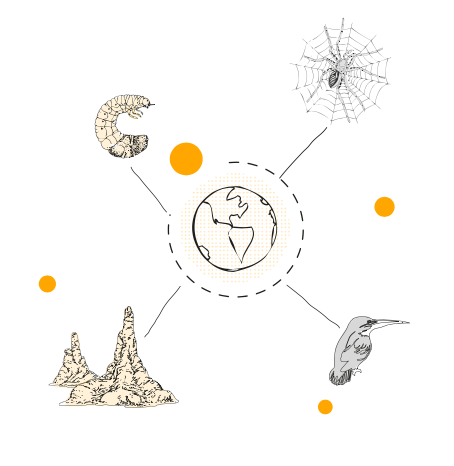
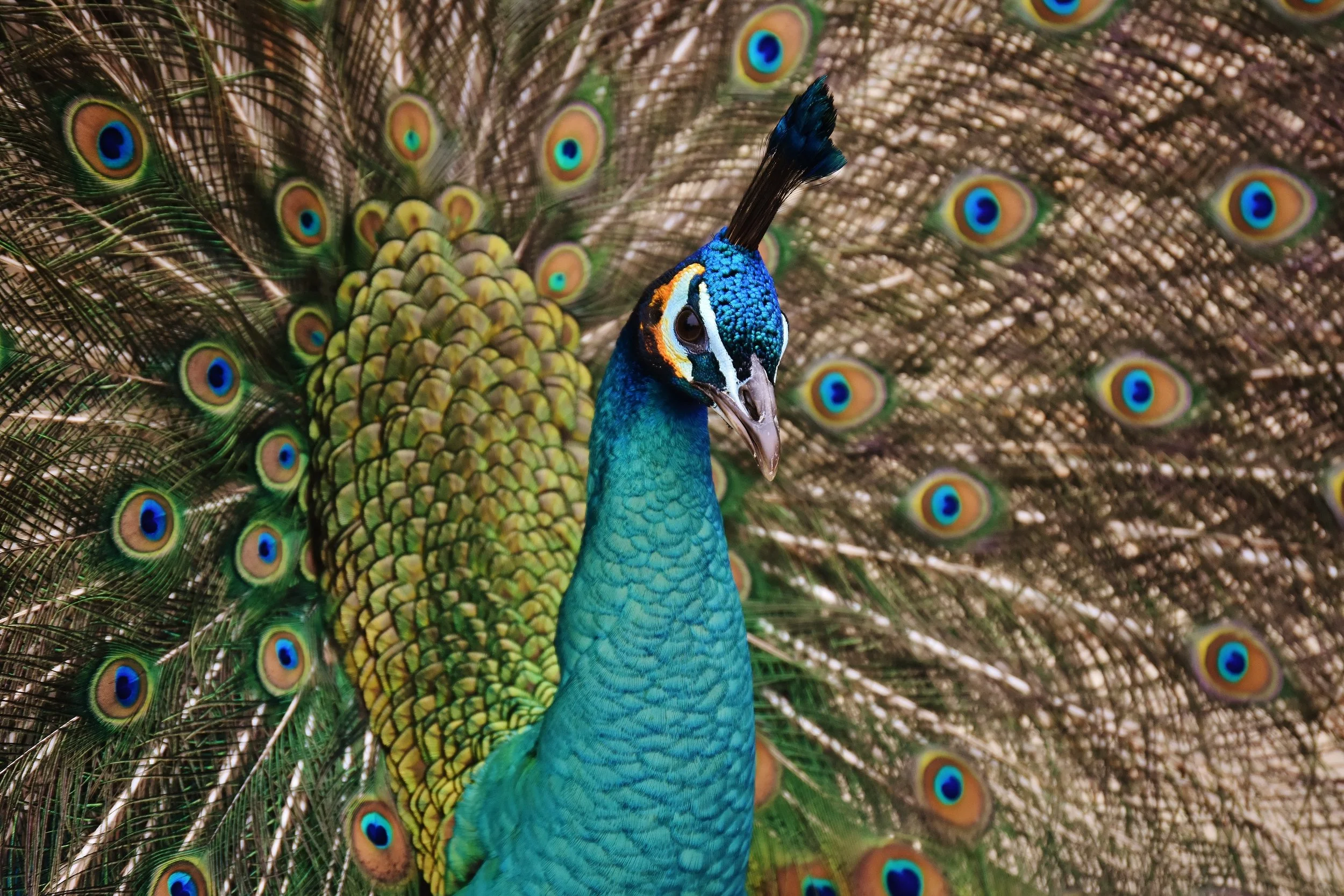
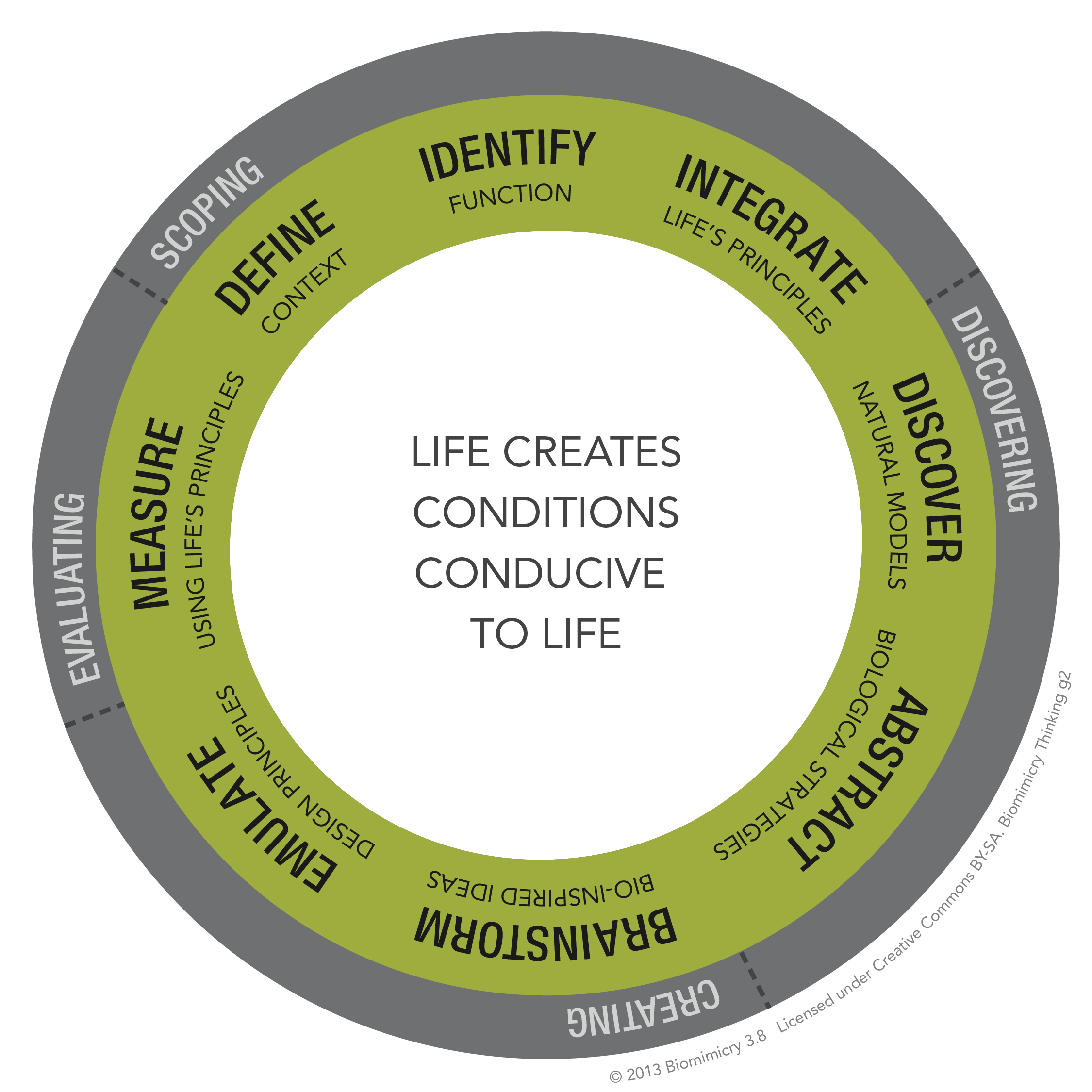
Biomimicry offers a formal structure for learning from nature, but it is only one doorway. NatureLab expands into biochemistry, evolutionary ecology, and cultural sciences. Spider silk shows how proteins can be assembled at room temperature into materials stronger than steel. Termites regulate atmospheric flow using soil geometry alone. Certain marine snails create self-healing mineral armor. Plants carry vast pharmacological libraries shaped by their interactions with microbes, fungi, and insects — knowledge long preserved in traditional ecological knowledge systems across continents.
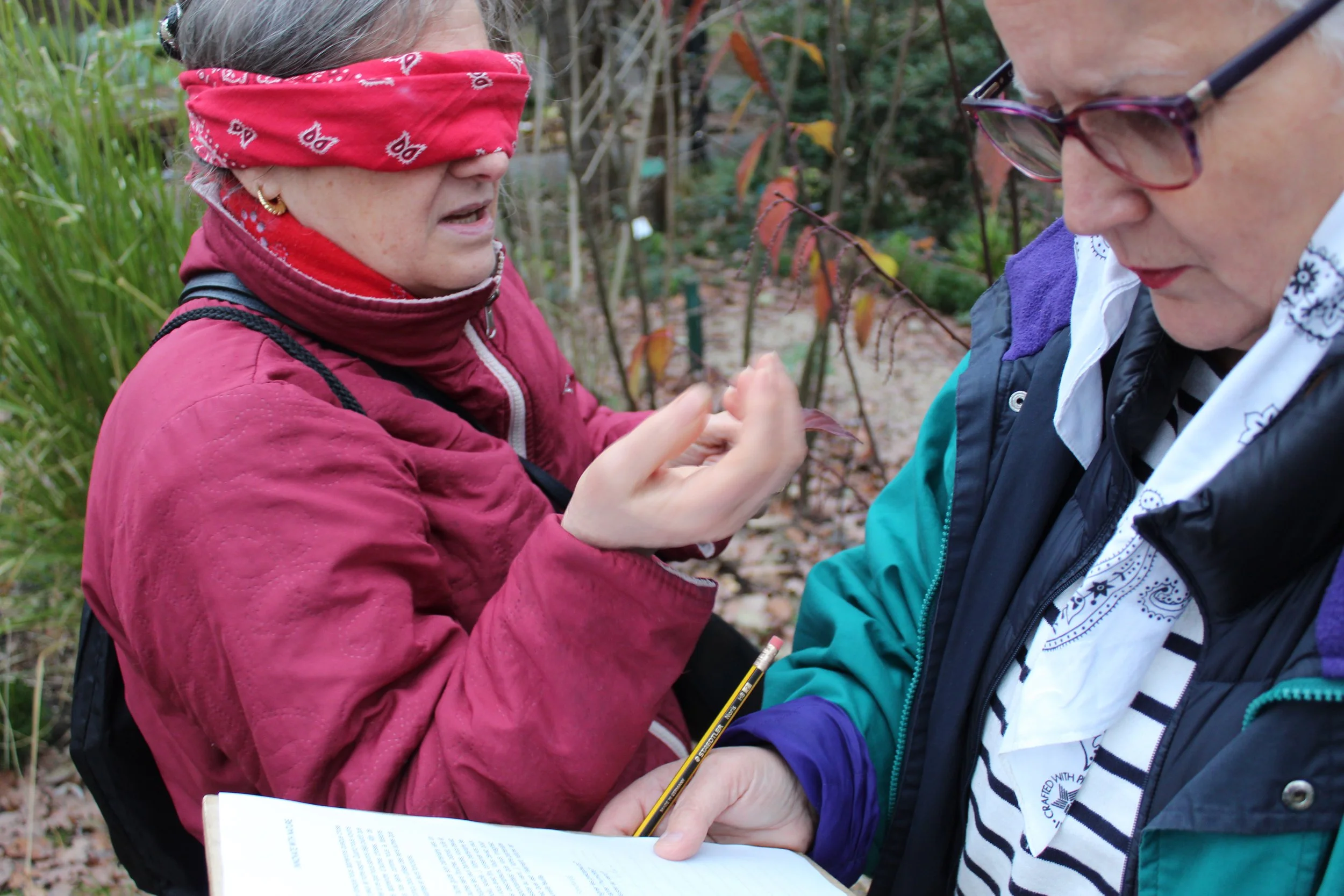
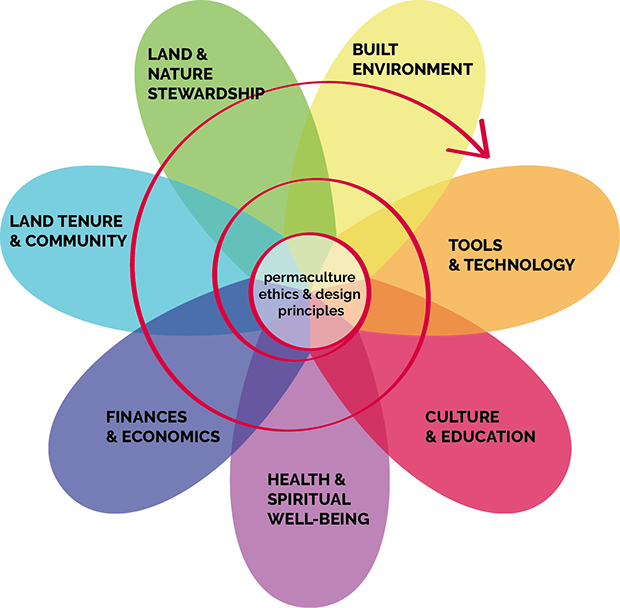
Permaculture adds another dimension: water cycling, soil architecture, polycultures, and energy descent strategies that echo ecosystem behavior. Traditional ecological knowledge brings finely tuned, place-based wisdom developed through centuries of observation and cosmology. Together they form a complete intelligence framework: scientific, empirical, cultural, ancestral, and deeply local.
Invite NatureLab for Permaculture and Traditional Ecological Knowledge Sessions tailored for your organization or community

Learning Expeditions directly in Nature
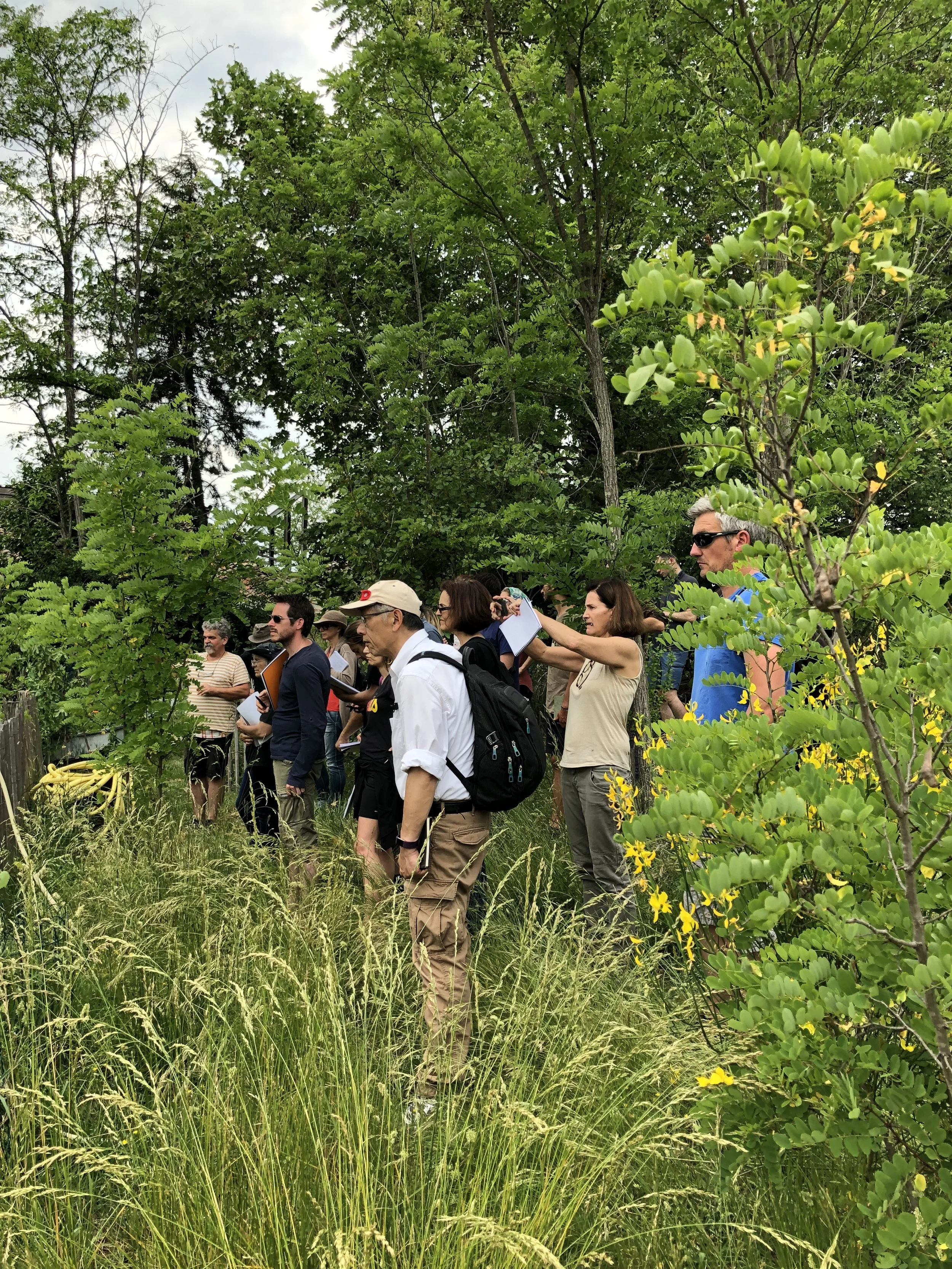
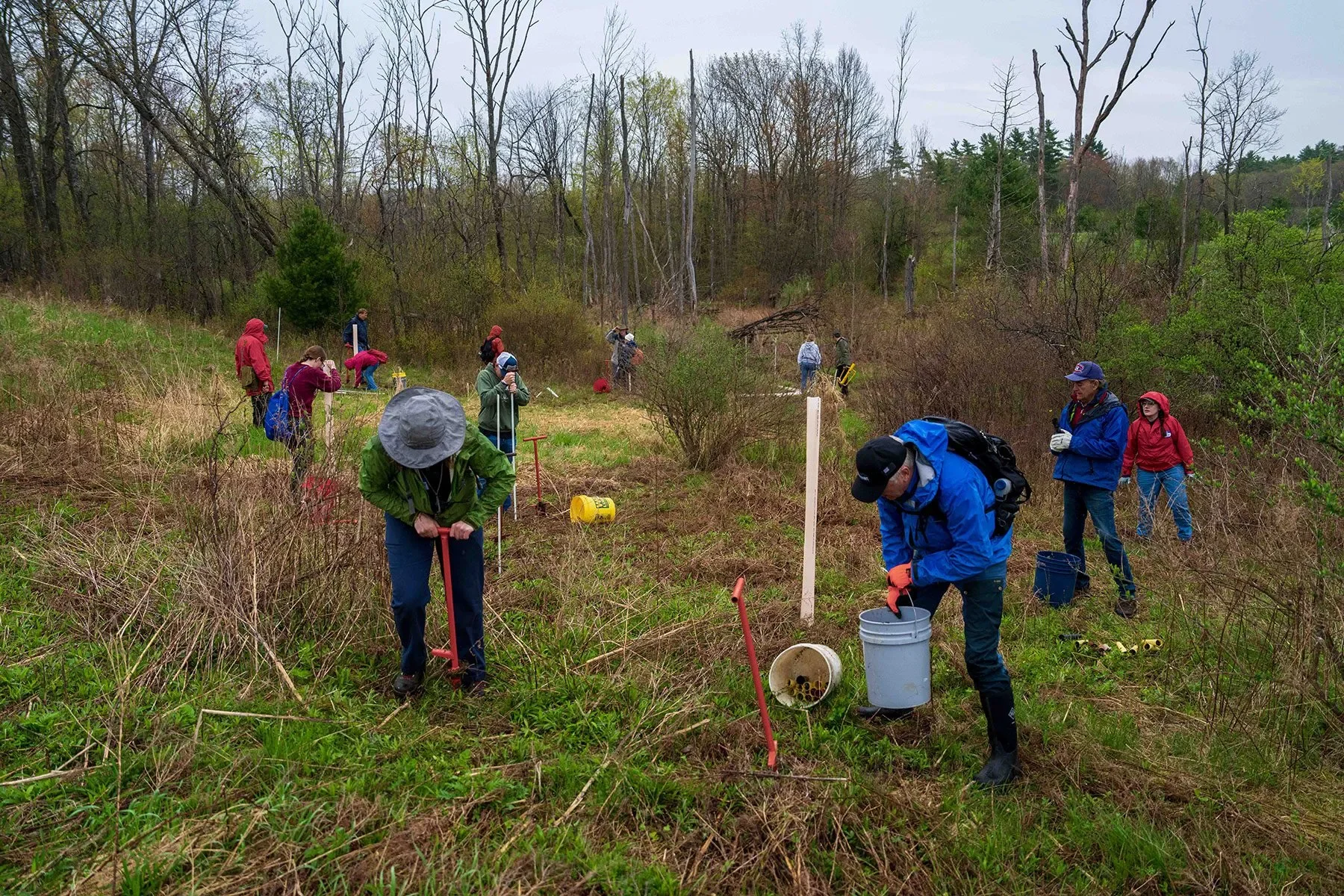
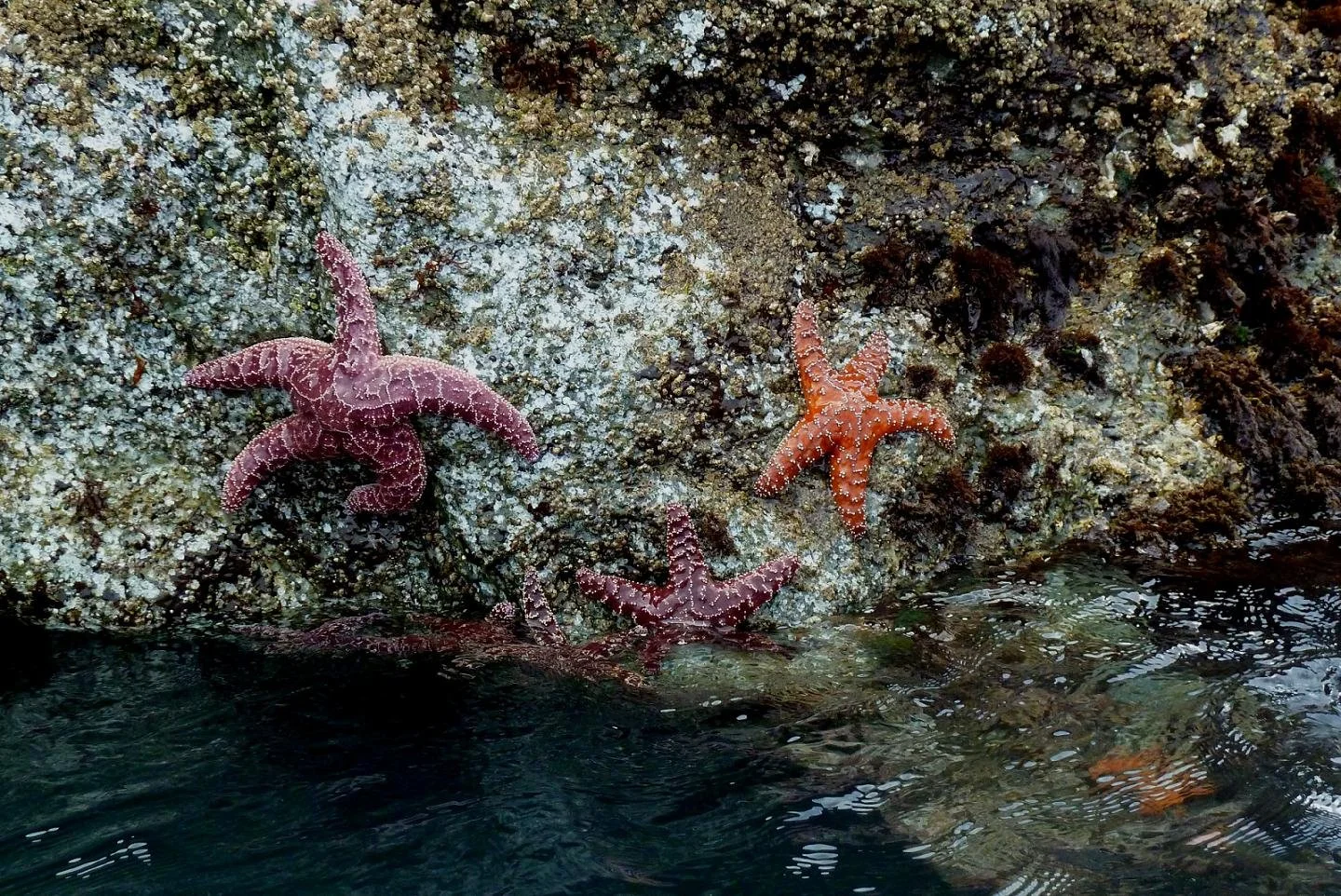
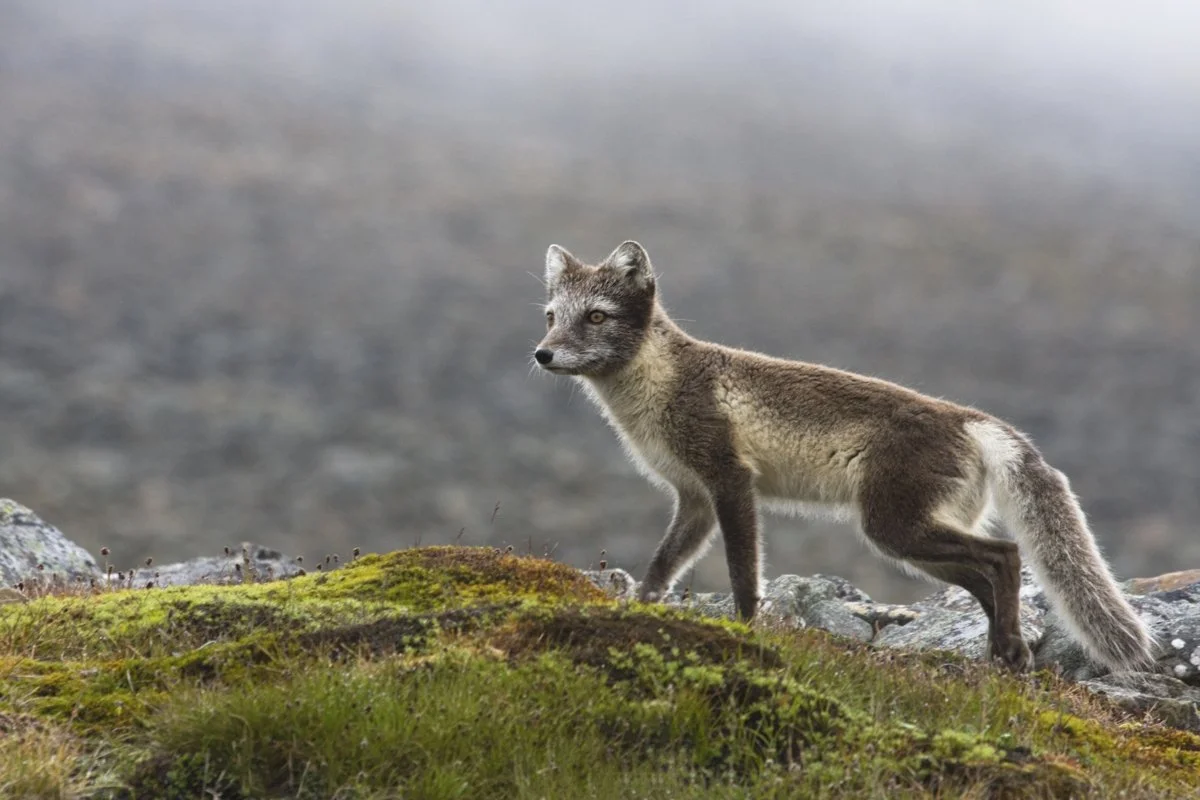
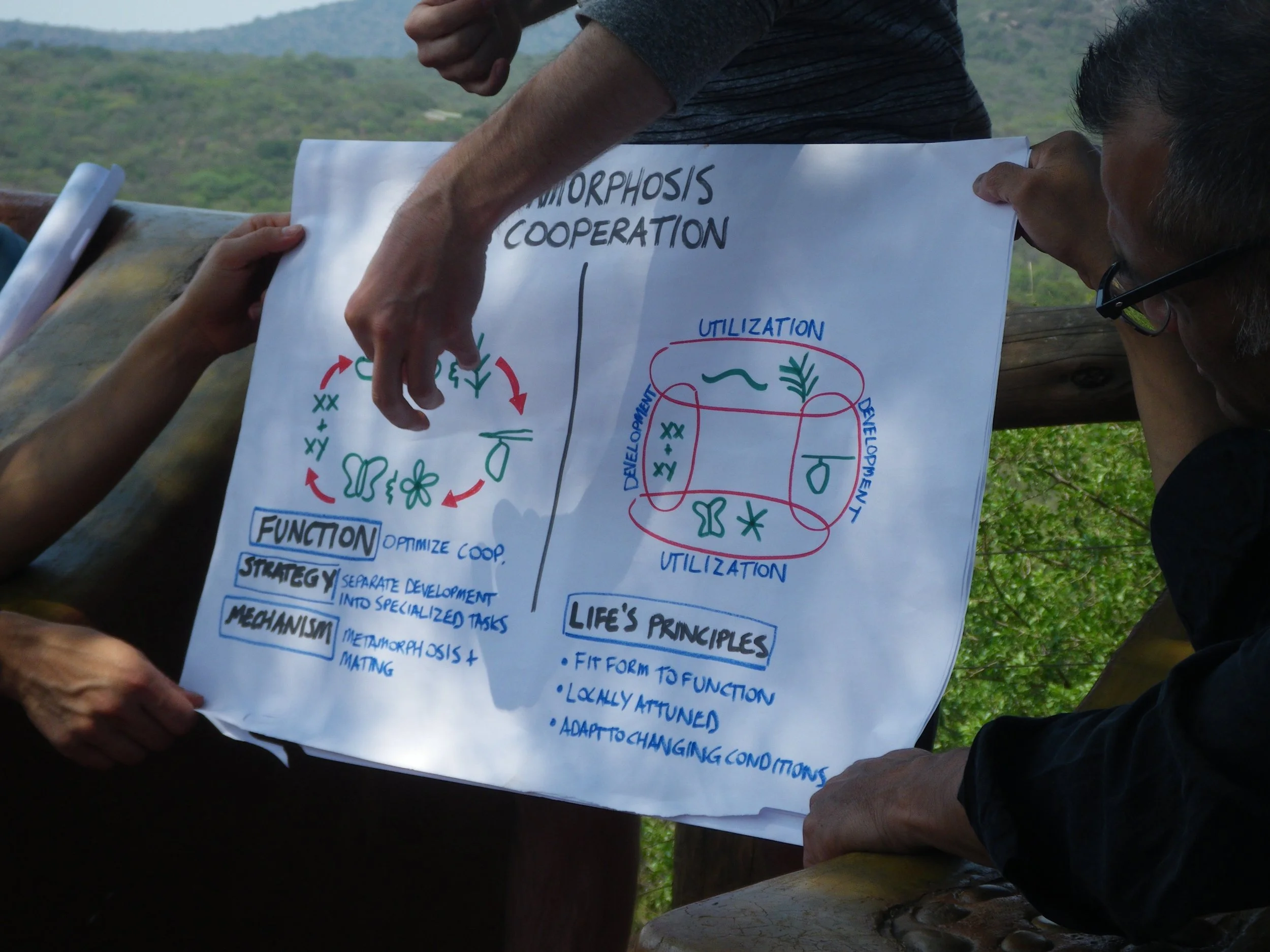
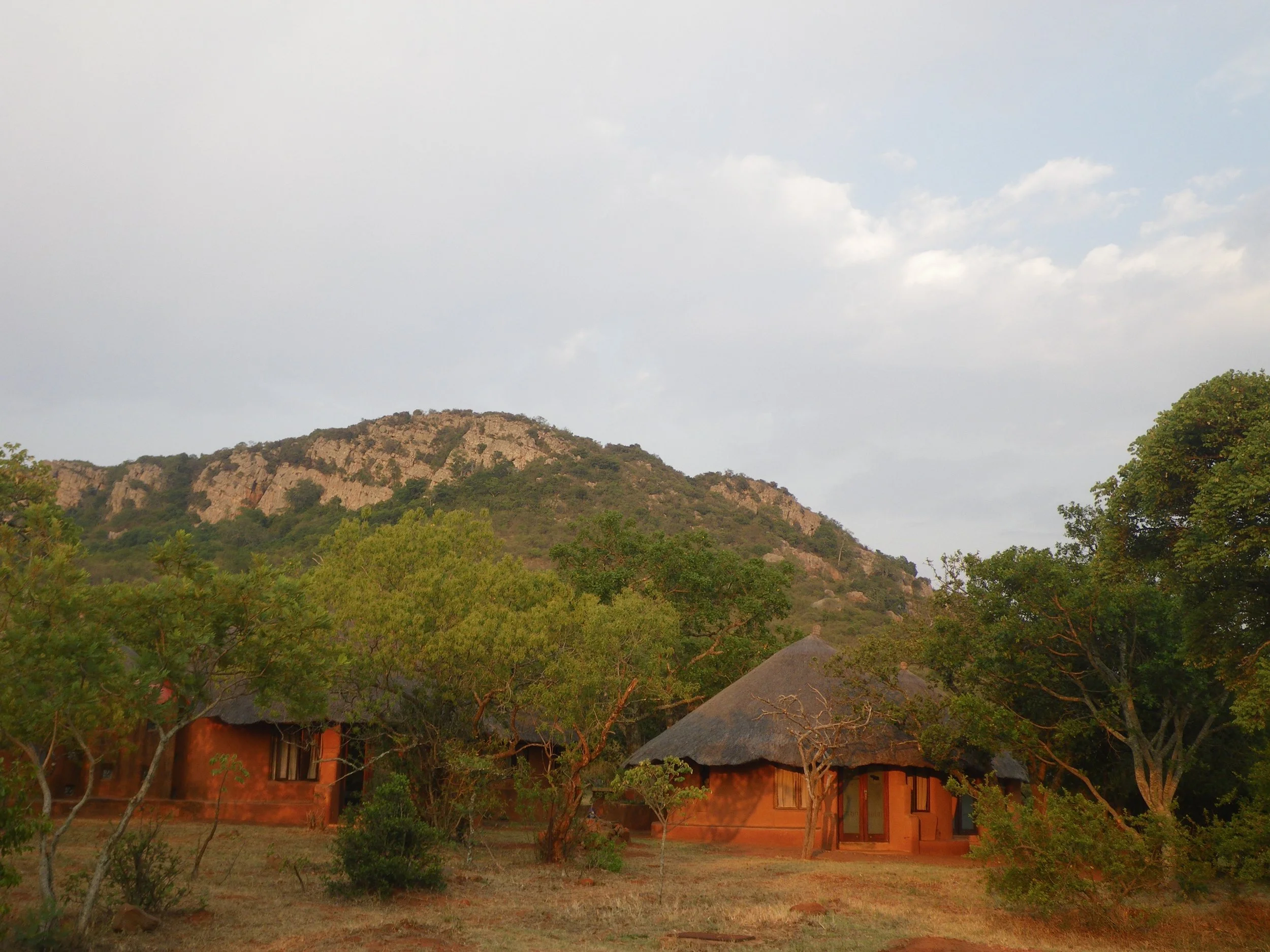
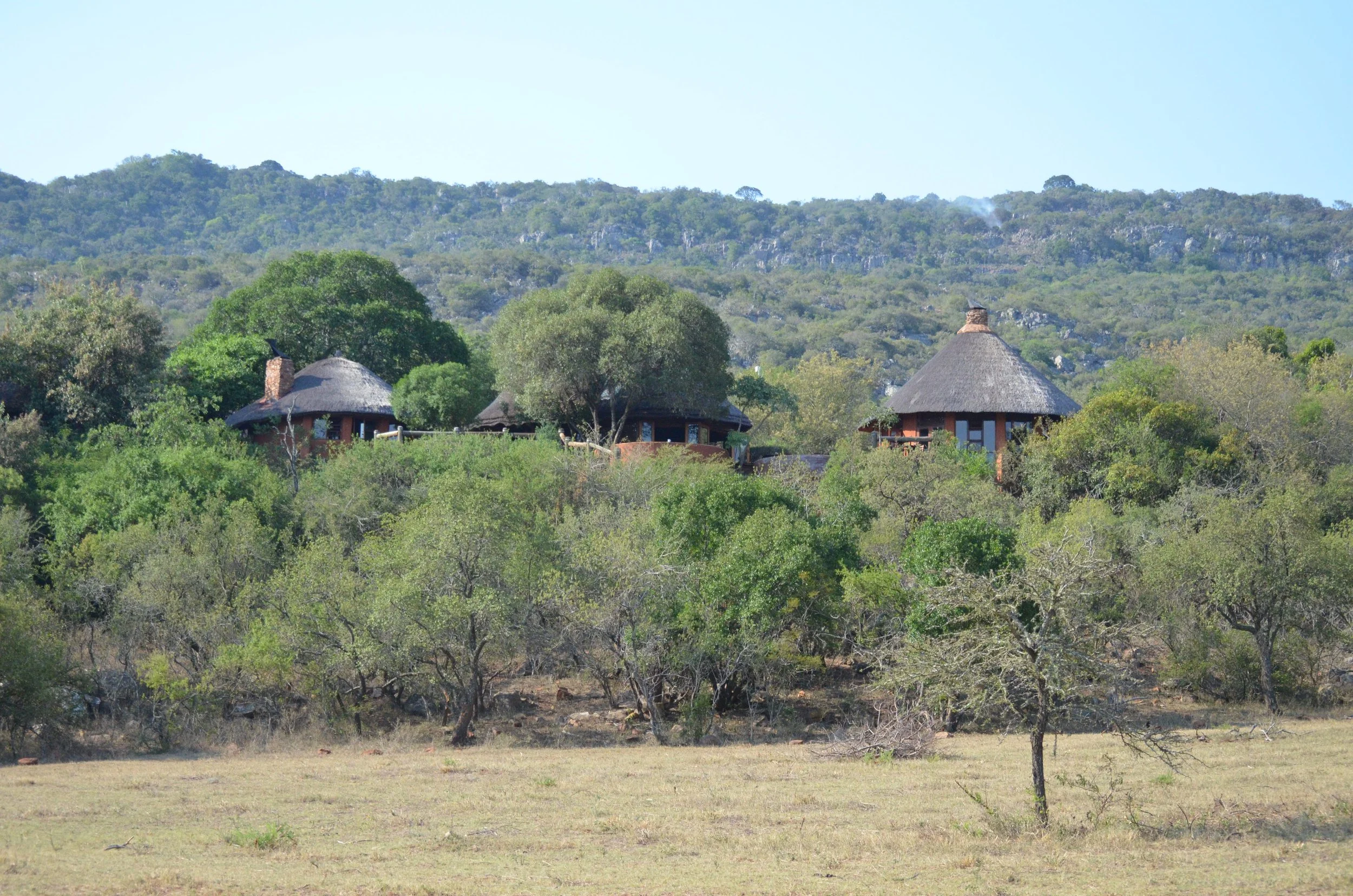
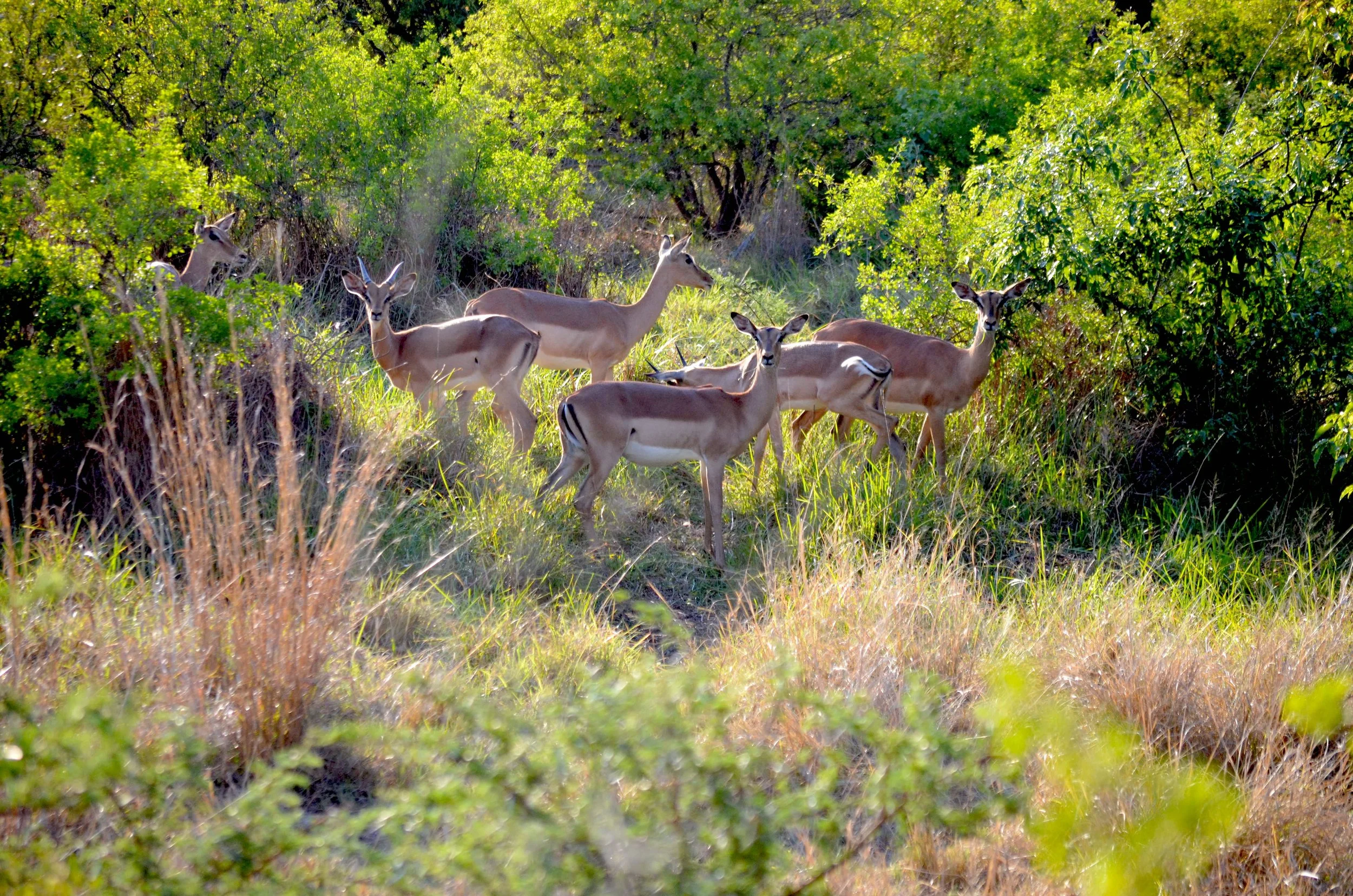
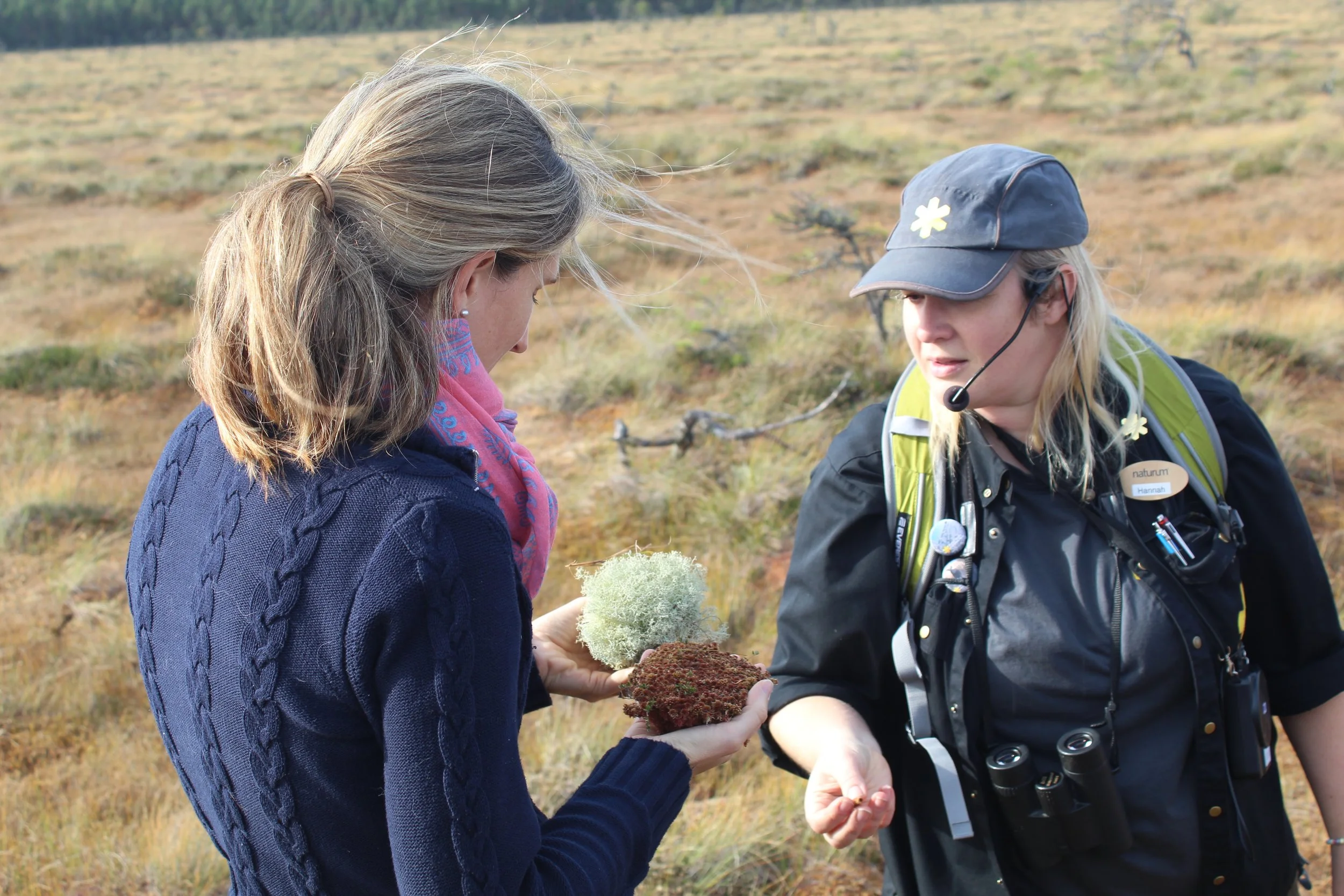
Fieldwork is the backbone of NatureLab. Multi-day expeditions across alpine ridges, Mediterranean coastlines, deep forests, volcanic islands, and high-altitude plateaus create the observational data that desk-based research cannot provide. On these journeys, ecological intelligence becomes visceral: how organisms respond to wind exposure, salinity gradients, heat stress, sudden storms, or microclimate shifts. Behavioral adaptations, material properties, hydrological dynamics, and species interactions become visible when the body is inside the system, not observing it from a distance.
These expeditions double as training grounds for ecological literacy. Participants learn to read landscapes, identify strategies, understand functional morphology, interpret soil profiles, and sense environmental change. The experience becomes personal, scientific, and transformative at once. We use our tools and frameworks along the way, directly learning from the context to inform your ongoing projects.
Join a NatureLab Expedition — a multi-day immersion into ecological intelligence and organism strategies



Strategy & Leadership by Nature Programs
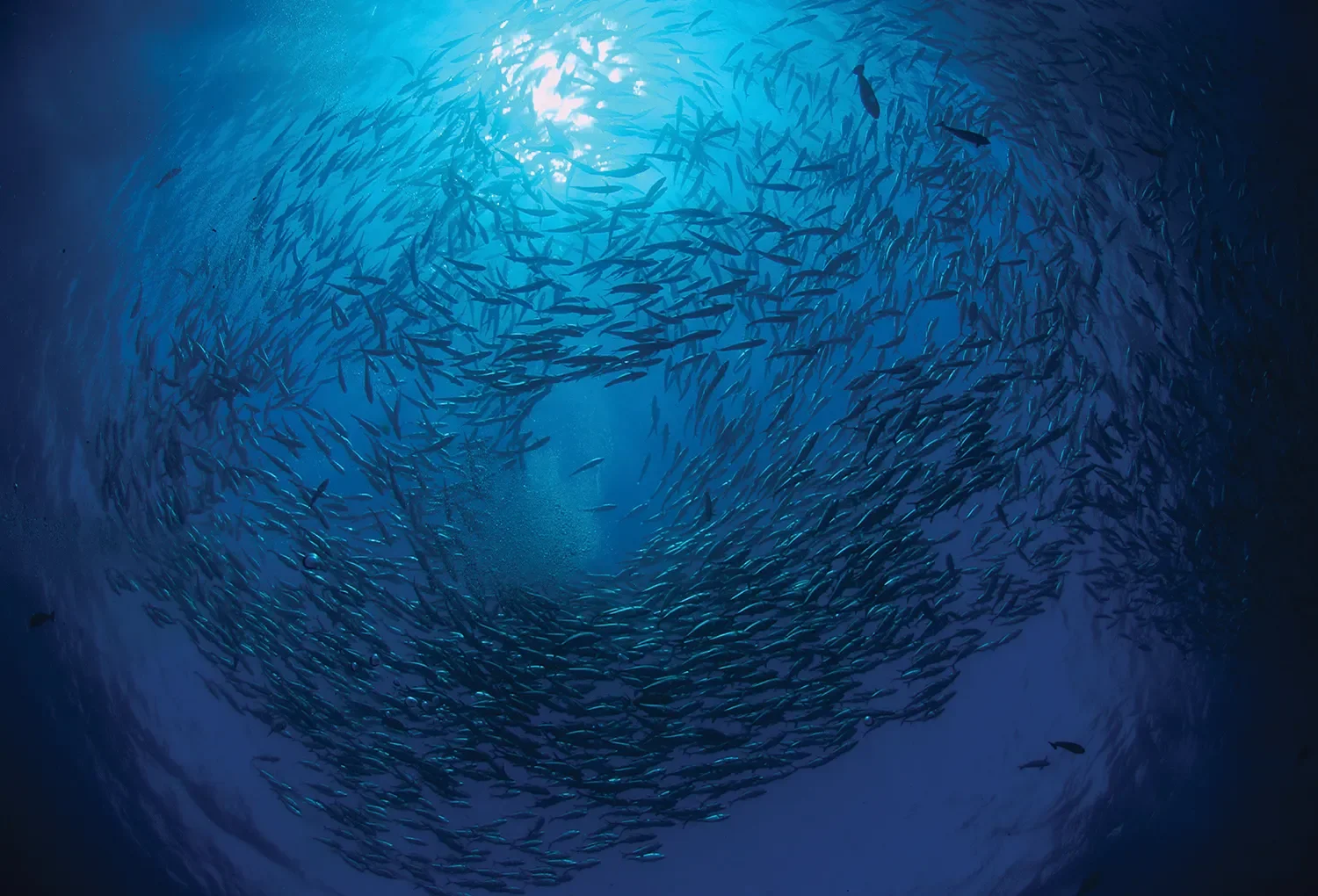
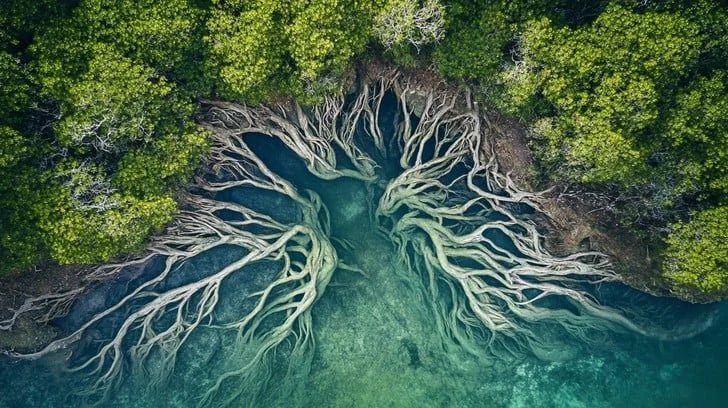
NatureLab translates ecological strategies into human decision-making not by metaphor but by system logic. Organisms coordinate under pressure through thresholds, gradients, mutualism, division of labour, redundancy, and distributed leadership. These principles apply directly to teams, organizations, policies, and long-range planning. Studying mycorrhizal networks clarifies how information should flow in distributed organizations. Observing mangrove roots explains how to design buffers that absorb shocks without collapsing. Understanding drought-resistant plants informs design for resource scarcity.
Nature becomes a strategic partner, not an inspiration board. The Lab integrates these insights into leadership training, organizational design, foresight work, and resilience planning.
Work with us on Strategy & Leadership by Nature Programs grounded in ecological patterning and evolutionary logic

Workshops and Collaborative Projects
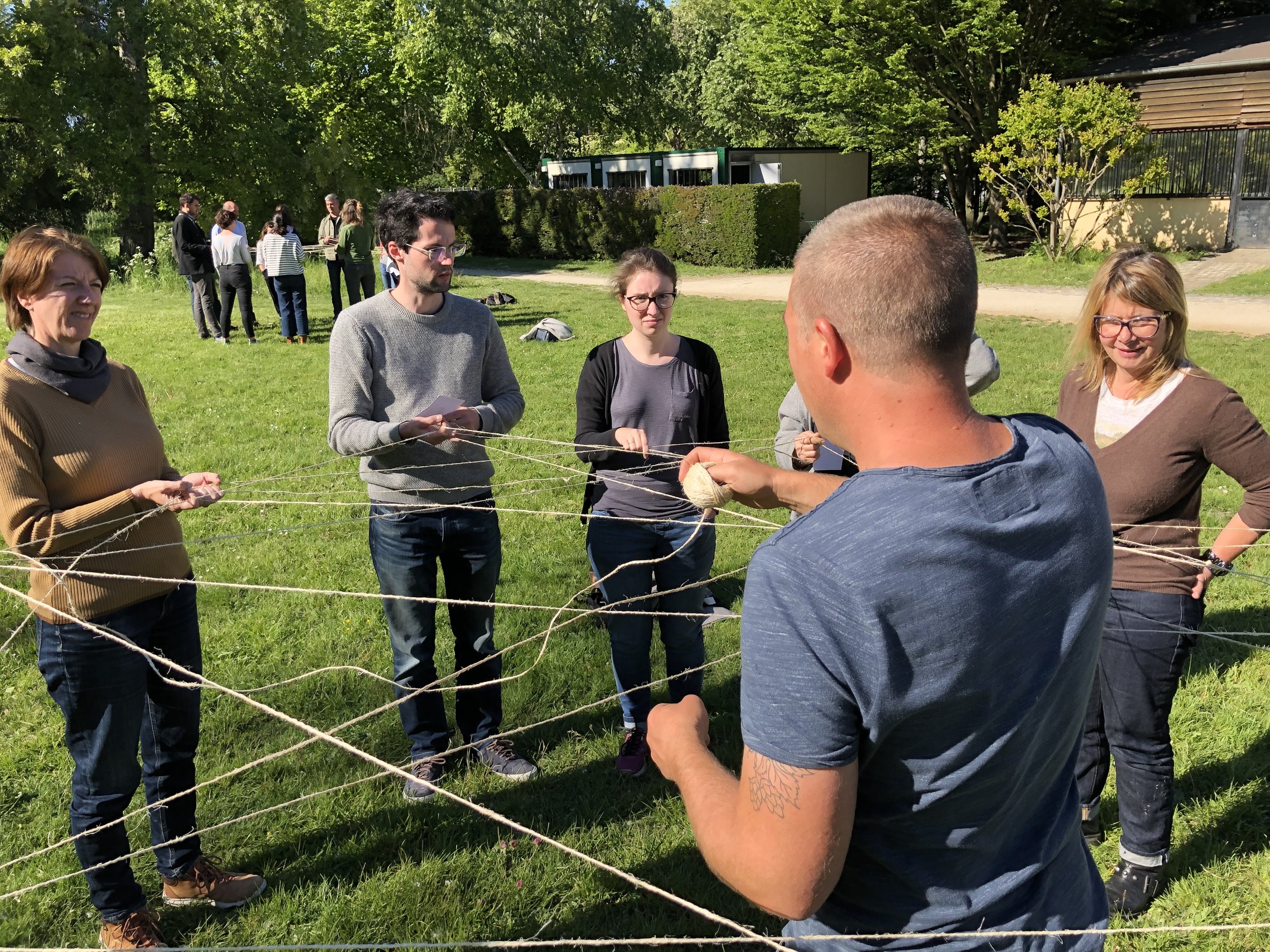
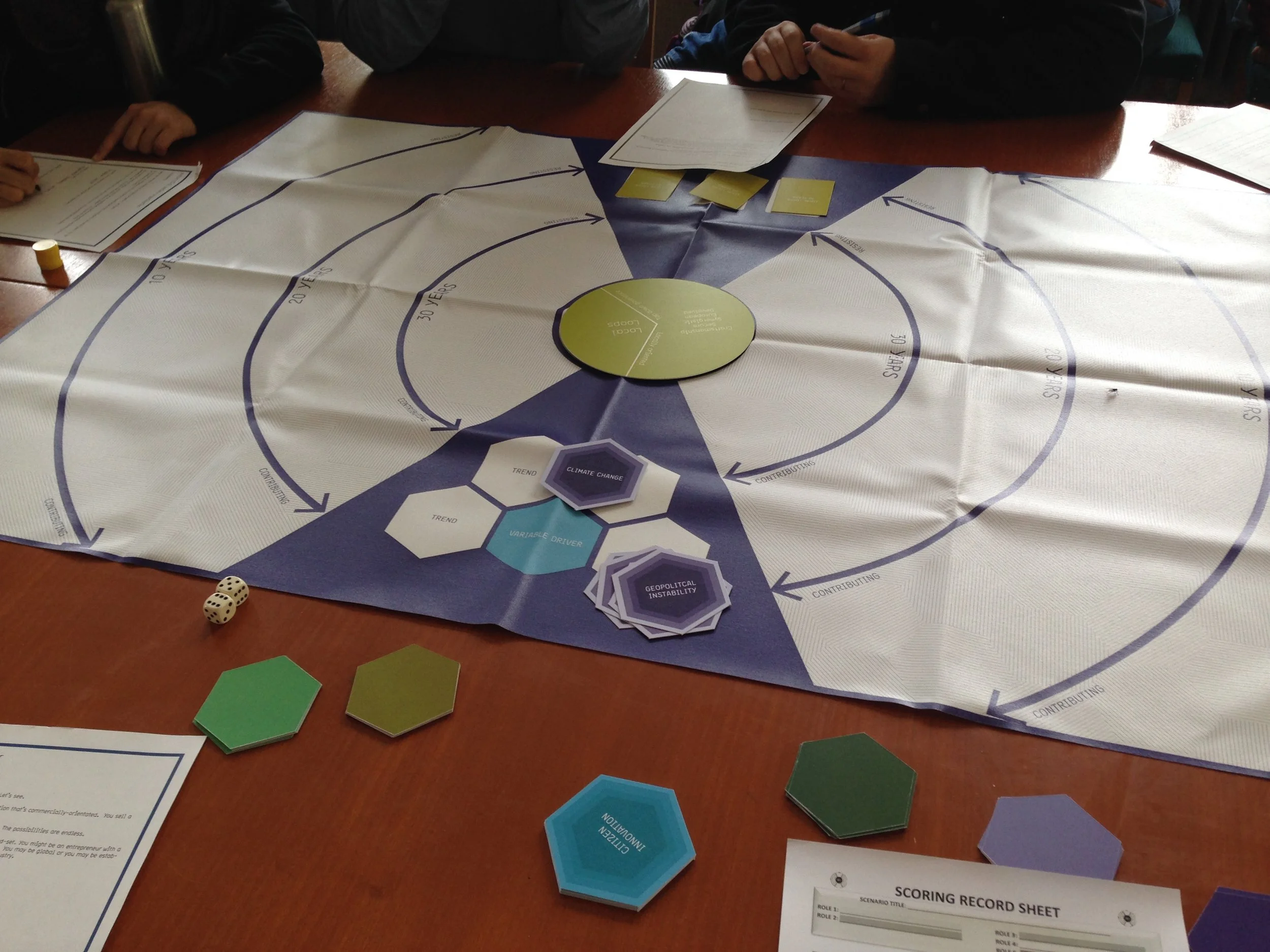
NatureLab offers formats ranging from half-day explorations to multi-day field schools. Workshops combine organism research, ecological mapping, pattern identification, and design translation. These sessions are suitable for scientists, designers, policymakers, educators, community leaders, and anyone seeking deeper ecological literacy.
Collaborative projects may involve developing regenerative strategies, designing nature-informed curricula, building visual atlases, or creating cross-disciplinary experiences combining film, field research, and systems thinking.
Bring NatureLab into your organization through workshops, field schools, or collaborative research projects
Preservation and Science
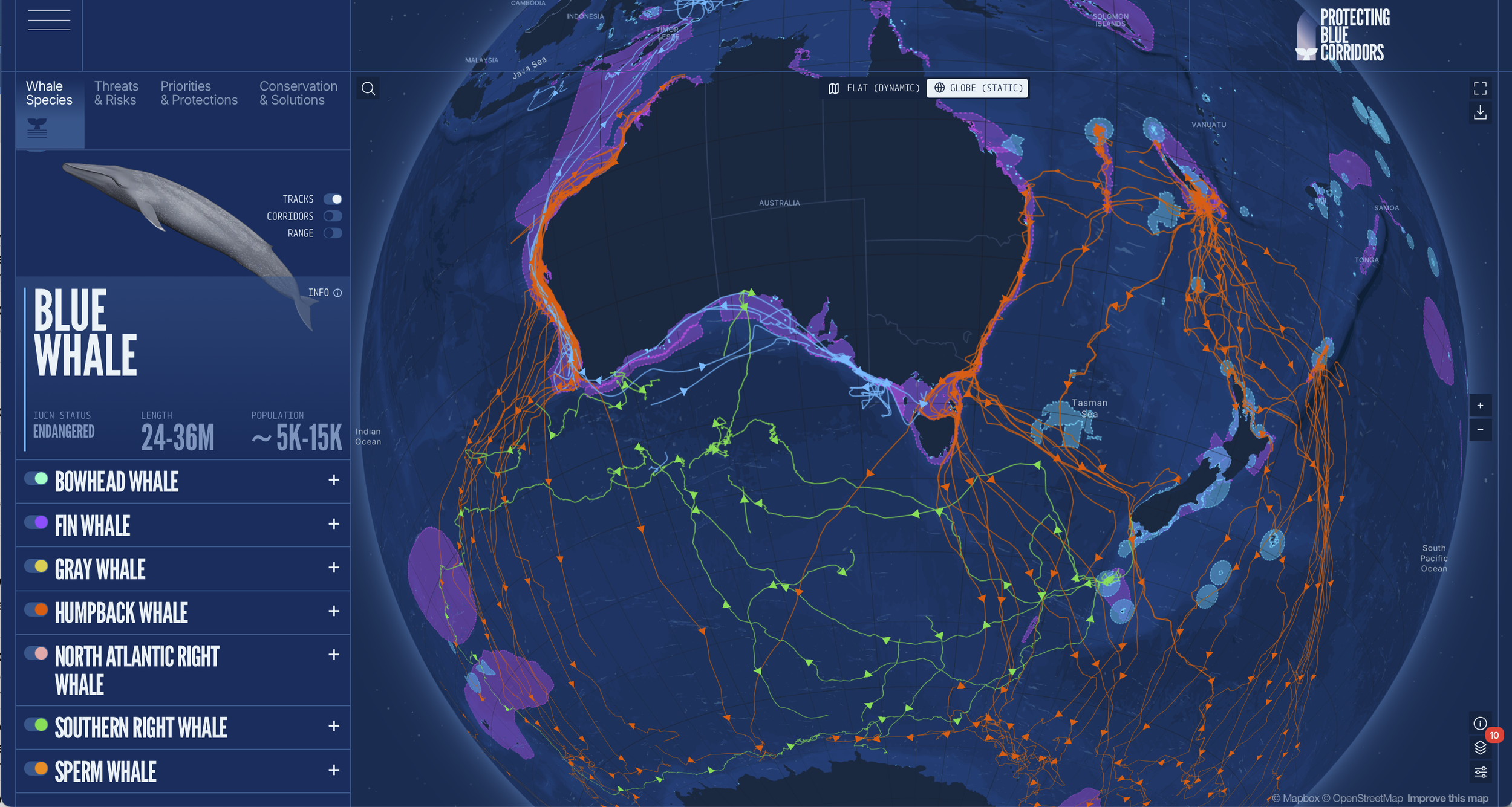
NatureLab is evolving towards larger missions: documenting adaptive strategies before ecosystems disappear; building a Nature Intelligence Atlas combining photography, science, and field notes; collaborating with ecologists and indigenous knowledge holders; designing expedition-based learning for the next generation of systems thinkers; and exploring how Earth’s biological strategies could inform life-support approaches for space habitats.
Underlying all of this is a conviction: the living world remains the most advanced knowledge system humans have access to — and it is shrinking. Preserving it is not an aesthetic preference. It is an obligation to the future.
If your institution is exploring ecological literacy, regenerative design or long-term resilience, NatureLab is the starting point